If your ideal weekend starts with bay views, a walkable waterfront, and the feeling that everything important is just a little closer, Sausalito has a way of getting your attention fast. For many buyers, it is not just a postcard stop across the Golden Gate Bridge. It is a real place with a distinct rhythm, shaped by the shoreline, the ferry, the arts, and neighborhoods that rise from the water’s edge into the hills. If you are imagining what life here could actually feel like, this guide will help you picture a weekend in motion. Let’s dive in.
Why Sausalito Feels So Distinct
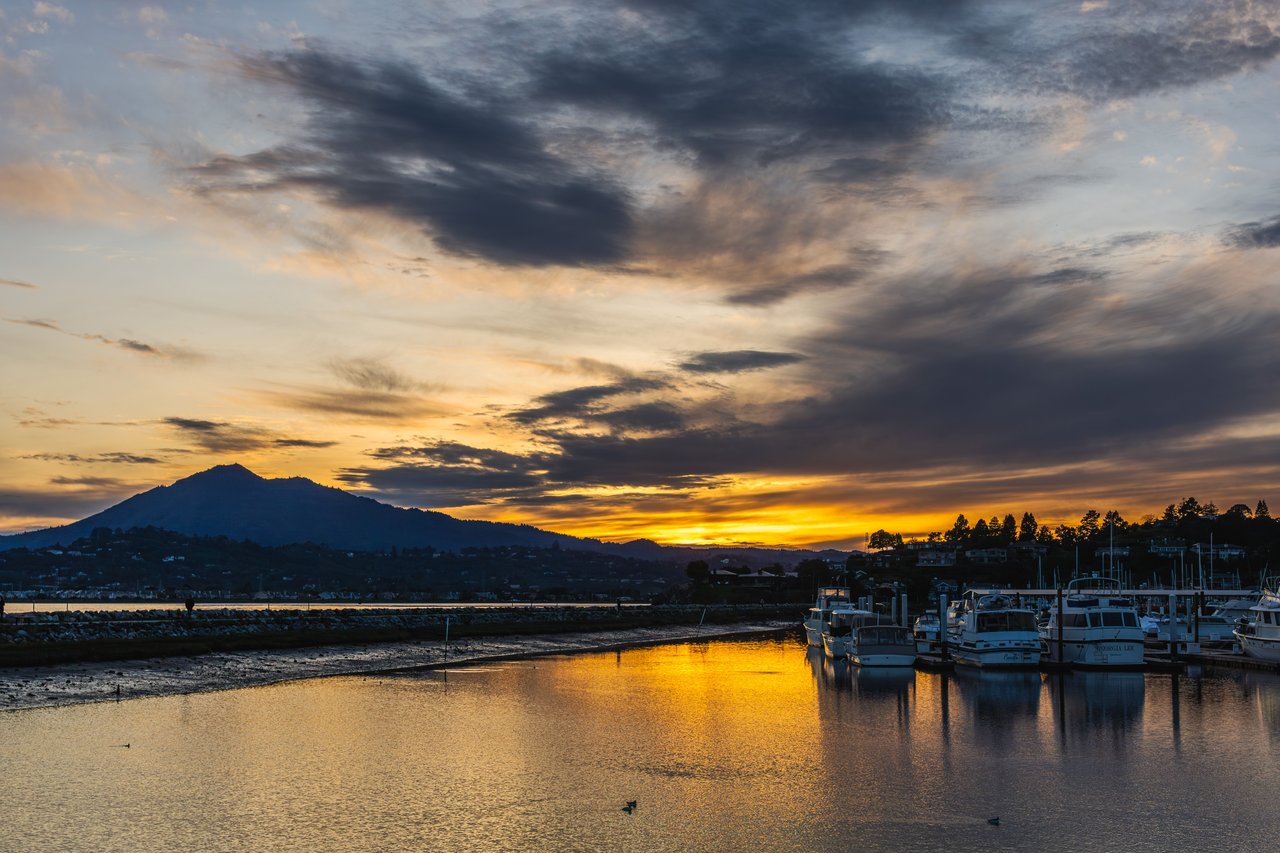
Sausalito is a compact city in Marin County, just north of the Golden Gate Bridge. According to the city, it spans 2.257 square miles and has about 7,100 residents, yet it also includes 2.5 miles of shoreline. That balance helps explain why the waterfront feels so central to daily life.
The city describes Sausalito as a unique waterfront community shaped by natural beauty, history, the arts, and waterfront culture. In practical terms, that means the bay edge, downtown core, marinas, and hillside homes all play a visible role in how the city functions. You do not have to search hard to feel that identity. It is built into the setting.
Start Your Weekend at the Ferry
One of the easiest ways to imagine life in Sausalito is to picture your arrival. Golden Gate Ferry runs daily between Sausalito and the San Francisco Ferry Building and Fisherman’s Wharf, with reduced weekend service depending on the route, season, and time of day. The city also points visitors to Blue and Gold Ferry as another option tied to the waterfront experience.
That matters because the ferry is not just for visitors. It reinforces Sausalito’s connection to the wider Bay Area while keeping the waterfront at the center of the lifestyle story. If you are coming from San Francisco or hosting friends for the weekend, arriving by water feels less like a commute and more like an introduction.
The ferry landing also connects naturally to downtown. The city describes Parking Lot 1 as a key asset linking downtown Sausalito to the waterfront and ferry terminal, which speaks to how closely these pieces fit together. In a town this compact, transitions tend to feel short and intuitive.
Saturday Mornings on Bridgeway
On a Saturday, many weekends begin with a walk through downtown and along Bridgeway. The city’s visitor information highlights art, attractions, restaurants, and shopping in this area, making it one of the most active and visible parts of Sausalito. Even if your pace is relaxed, there is plenty to take in.
Public art adds another layer to the experience. The city notes installations along Bridgeway and near intersections including Caledonia, Napa, Richardson, Humboldt, and Marinship Way. That gives a casual walk more texture, especially if you like places where the public realm feels considered rather than purely functional.
The Sausalito Center for the Arts, located at 750 Bridgeway, adds to that creative energy. For buyers who want a town with a cultural thread woven into everyday life, this part of Sausalito often leaves a strong impression.
Waterfront Parks Shape the Day
Sausalito’s outdoor spaces help turn a simple weekend into a lifestyle. Gabrielson Park sits on the waterfront in downtown Sausalito and gives the area an open, social feel. It is the kind of place that supports both everyday use and those moments when you simply want to pause and look out at the bay.
Dunphy Park offers a different shoreline experience. The city notes shoreline access, bocce courts, a gazebo, a volleyball court, and lawn space, which makes it flexible for everything from a quiet stop to a more active afternoon. In a town where the water is always part of the backdrop, parks like these make the shoreline feel usable, not just scenic.
That distinction matters if you are considering a move. A pretty waterfront is one thing. A waterfront that shapes how you actually spend your time is something else.
Boating, Marinas, and Working Waterfront Energy
For some people, the waterfront lifestyle is about views. For others, it is about access. Sausalito offers both.
The city lists multiple marinas, yacht and cruising clubs, and the Turney Street Boat Ramp with a dinghy dock. These features support an active relationship with the bay and reflect the fact that Sausalito is not only picturesque. It also has an authentic working waterfront.
That character is especially visible in and around the Marinship. The city identifies the Marinship as a working waterfront, distinct from the hillside residential areas. Its harbor information also references Sausalito Shipyard and Marina, which includes houseboats and other vessels, as well as Galilee Harbor, described by the city as a live-aboard, artist, and maritime-worker cooperative.
If you are exploring housing options, this is useful context. Different parts of Sausalito offer different kinds of waterfront connection. Some areas lean more toward downtown convenience and bay views, while others are shaped by marine use, marinas, and the practical life of the shoreline.
Sunday in the Quieter Corners
By Sunday, the pace often shifts. Instead of moving through downtown, you might head toward calmer shoreline spots such as Swede’s Beach at the east end of Valley Street. This side of Sausalito can feel more reflective, giving you another perspective on how the city relates to the water.
The city’s shoreline planning also ties future adaptation work to enhanced shoreline recreation, bay access, beaches, and transportation corridors. That is an important detail because it shows the waterfront is not treated as static. It is being actively planned for, with public access and shoreline use very much part of the conversation.
For a buyer, that means the weekend experience you enjoy today is also connected to long-term city planning. In a shoreline community, that is worth understanding.
A Small City With Layered Neighborhoods
Sausalito may feel intimate in size, but its housing pattern is more varied than many first-time visitors expect. Downtown and the Bridgeway corridor include commercial, mixed-use, and higher-density residential forms. The city’s housing inventory and planning documents point to this area as one of the places where residential and commercial uses meet most directly.
The Bridgeway Commons description, for example, refers to a 16-unit garden-apartment condominium neighborhood on Bridgeway. That gives some context for the range of housing types you may encounter near the waterfront core. If you value walkability and easy access to downtown activity, this part of town may appeal to you.
Away from the waterfront edge, the landward side of Sausalito becomes more residential and hillside-oriented. The city describes picturesque hillside homes, and its housing inventory includes both single-residential and high-density residential parcels in upland neighborhoods. That shift in topography can create a very different feel from the lower-lying waterfront areas.
What Buyers Should Notice About Location
When you picture a weekend in Sausalito, it helps to notice how closely lifestyle and location are tied together. A home near downtown may offer easier access to the ferry, parks, art spaces, and shoreline walks. A hillside home may offer a more tucked-away residential experience while still keeping the waterfront within reach.
This is one reason local context matters so much here. In Sausalito, the difference between one pocket and another is not just architectural style. It can also be about access, terrain, waterfront relationship, and how much of the city’s public life is at your doorstep.
For buyers considering a primary home or a Marin move, that nuance often shapes the best fit more than square footage alone. The right choice depends on how you want your weekends and weekdays to feel.
Planning Matters in a Waterfront Town
Sausalito’s shoreline setting is a major strength, and it also comes with real planning considerations. The city says water is rising along its 2.5 miles of shoreline, and its Shoreline Adaptation Plan is intended to protect shoreline recreation, transportation and utility corridors, bay access for water-related businesses, marshes, beaches, housing, and economic activity.
The city also notes that much of Sausalito’s housing sits above current sea level, even while some shoreline infrastructure remains vulnerable. That distinction is helpful for buyers who want a grounded understanding of the area. In Sausalito, waterfront living is both a lifestyle advantage and an active planning topic.
Housing policy is also evolving. The city’s amended 2023 to 2031 housing element process identifies sites near Bridgeway, downtown, and waterfront-adjacent areas, showing that density, mixed use, and shoreline constraints are current issues. If you are buying here, it is wise to look at both the beauty of the setting and the planning framework around it.
Sausalito and San Rafael Connection
For many Marin buyers, Sausalito is part of a broader lifestyle map rather than a standalone choice. Regional access helps support that. The city points to Golden Gate Ferry, Golden Gate Transit, and Marin Transit Route 17, which connects Sausalito with San Rafael Transit Center.
That connection matters if your life includes regular movement across Marin or into San Francisco. You can enjoy the distinctly waterfront feel of Sausalito while staying linked to the rest of Southern Marin and central Marin destinations. For some buyers, that balance is exactly the point.
What a Weekend Here Really Tells You
A weekend in Sausalito reveals more than scenic views. It shows you a city organized around the bay, where ferry arrival, waterfront parks, marinas, arts, and hillside neighborhoods all fit into one compact setting. The experience is not accidental. It comes from the way the city has grown around its shoreline identity.
If you are considering a move, that is what makes a weekend visit so valuable. You are not just evaluating restaurants or views. You are testing a rhythm of life.
For some buyers, Sausalito will feel vibrant, walkable, and deeply tied to the water. For others, the hillside areas or nearby Marin communities may feel like a better fit. Either way, seeing the town through the lens of a real weekend is one of the best ways to understand it.
If you are exploring homes in Sausalito or comparing it with other Southern Marin communities, Sharon Kramlich offers the kind of thoughtful, local guidance that helps you look beyond the postcard and focus on the right long-term fit.
FAQs
What is weekend life in Sausalito like?
- Weekend life in Sausalito often centers on the waterfront, with time spent around the ferry landing, downtown Bridgeway, waterfront parks, marinas, shoreline walks, and arts destinations.
How do you get to Sausalito for a weekend visit?
- Golden Gate Ferry runs daily between Sausalito and San Francisco locations including the Ferry Building and Fisherman’s Wharf, with weekend service that varies by route and season.
What parts of Sausalito feel most walkable?
- Downtown and the Bridgeway corridor tend to feel most walkable because they bring together the ferry area, shops, restaurants, art spaces, and waterfront public areas.
What kinds of homes are found in Sausalito?
- Sausalito includes a mix of downtown and Bridgeway-area residential forms, mixed-use and higher-density housing, hillside residential areas, and distinct waterfront zones tied to marinas and working waterfront uses.
What should buyers know about Sausalito’s waterfront planning?
- The city is actively planning for sea-level rise through its Shoreline Adaptation Plan, with a focus on protecting shoreline recreation, bay access, infrastructure, housing, beaches, and economic activity.
How is Sausalito connected to San Rafael?
- Marin Transit Route 17 connects Sausalito with San Rafael Transit Center, adding to the area’s regional access alongside ferry and transit options.