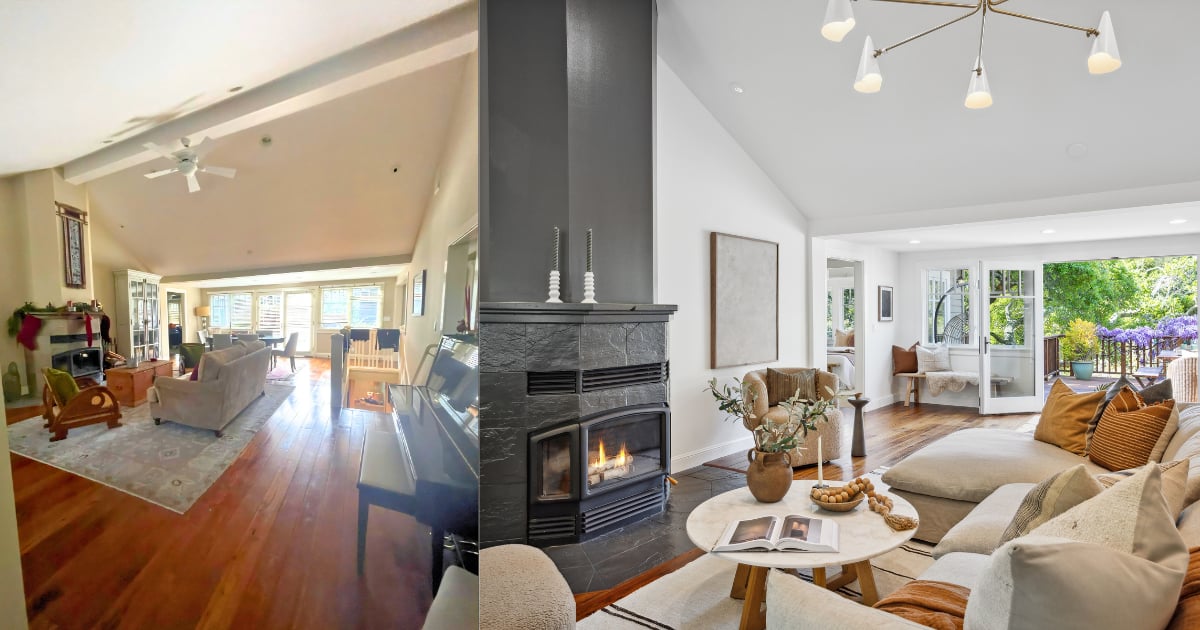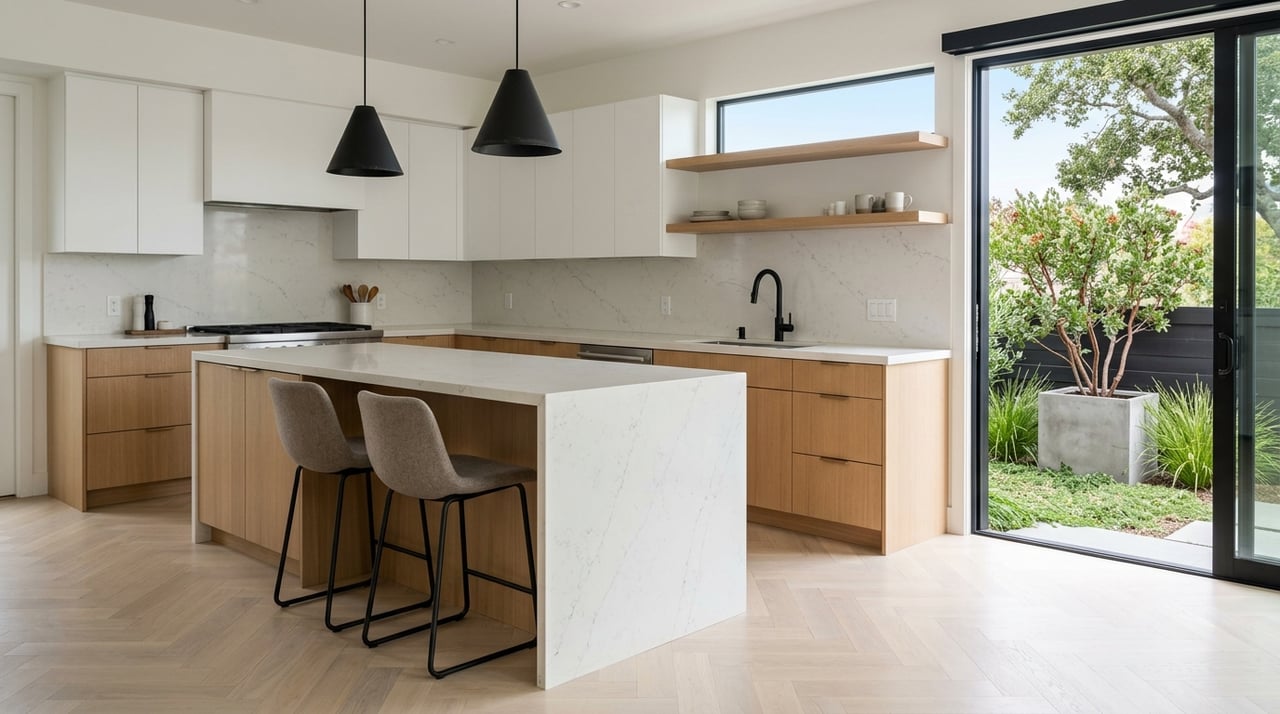
If you are trying to decide between a move-in-ready home and a property with renovation potential in Mill Valley, the answer is rarely as simple as picking a neighborhood name on a map. In this market, one street can offer polished, updated homes while the next has older properties with clear project upside. If you understand how Mill Valley’s housing stock, terrain, and micro-locations shape that difference, you can make a smarter decision with fewer surprises. Let’s dive in.
Why this choice is so local in Mill Valley
Mill Valley’s own neighborhood framework shows just how varied the city is. Areas like Downtown, East Blithedale, Miller Avenue, Cascade and Blithedale Canyons, Warner Canyon/Kite Hill, Sycamore/Tamalpais Park, Scott Valley/Alto, and Bayfront/Shelter Ridge each have a different pattern of homes, lots, and streets.
That matters because the turnkey-versus-project question is usually a micro-location issue, not a citywide rule. In Mill Valley, the exact block, the slope of the lot, and the age of the home often matter more than the neighborhood label alone.
There is also a jurisdiction detail many buyers miss. Strawberry, Tam Valley, Homestead, Almonte, and Alto are often associated with Mill Valley addresses, but some are outside Mill Valley city limits in unincorporated Marin County. Before you compare homes, it helps to confirm which local jurisdiction applies because rules, services, and permit processes may differ.
Mill Valley housing stock shapes your options
Mill Valley’s housing stock leans older and heavily detached. According to the city’s housing analysis, 65.8% of housing was single-family detached in 2020, and 66.8% of units were built in 1969 or earlier.
The largest age group of homes was built from 1940 to 1959, and only 12.1% of units were built in 1990 or later. The city also notes that older housing is concentrated in the central and western areas of Mill Valley, which helps explain why some neighborhoods show more remodeling opportunity than others.
In practical terms, that means updated homes can be scarce, and project homes may come with meaningful upside as well as extra complexity. In a market with about 57 homes for sale, a median list price near $1.995 million, median days on market around 27, and a 102% sale-to-list ratio, condition can influence both speed and competition.
Neighborhoods that often lean turnkey
Strawberry
Strawberry is one of the clearer choices if you want a home that feels more move-in ready. Current listings in the area have included fully remodeled homes and even a 2025 rebuild, which supports its reputation as a more turnkey-leaning pocket.
That does not make it a value play. Realtor.com neighborhood data put Strawberry at about a $2.35 million median list price and roughly 36 days on market, so you are still shopping in a premium segment.
Scott Valley, Alto, Enchanted Knolls, Bayfront, and Shelter Ridge
This broader cluster often appeals to buyers who want lower-maintenance homes, attached housing, or more contemporary layouts. The city’s design guidelines describe Scott Valley as having larger-lot custom homes and Alto and Enchanted Knolls as more traditional subdivision patterns.
Along the bayfront and Highway 101 frontage, the city notes larger condominium and apartment developments. The Miller Avenue Marsh and Bayfront area is also described as mostly flat and developed in a contemporary subdivision pattern, which can be attractive if you prefer easier access and a more predictable lot layout.
Inventory can be tight here. At the time of the market snapshot, Scott Valley-Alto had just 4 active listings and Enchanted Knolls had 3, so buyers looking for turnkey options may need to act quickly when the right home appears.
Downtown Mill Valley, Sycamore Park, and Miller Avenue
If you want in-town convenience, these areas deserve a close look. Downtown Mill Valley includes a mix of cottages, apartments, condos, and single-family homes near shops, parks, and civic uses, while Sycamore and Tamalpais Park are described by the city as relatively level and more conventionally platted.
The housing here is mixed. Many homes have been renovated, and some newer builds exist, but a large share of the stock dates from roughly 1900 to 1950, so you will still find a range of conditions.
For buyers, this means you can sometimes find a beautifully updated home close to downtown amenities, but you should not assume the whole area is turnkey. In these neighborhoods, each property needs to be evaluated on its own merits.
Neighborhoods that often offer project potential
Cascade Canyon and Blithedale Canyon
These canyon neighborhoods are among the strongest candidates for buyers open to renovation. The city describes them as narrow and circuitous, with homes often screened by redwoods and broadleaf evergreens and with a wide variety of housing types.
In steeper or more remote sections, hillside densities can fall to one home per ten acres. That kind of terrain can create compelling settings, but it also means you should look closely at access, drainage, slope conditions, and the likely scope of any remodel.
Homestead Valley and Almonte
Homestead Valley and Almonte often attract buyers who love character and natural surroundings. Housing descriptions point to early 1900s development in Homestead Valley, with common Craftsman and Colonial Revival homes, while many modern homes there stem from teardown-and-rebuild projects.
Almonte is often described as a hilltop neighborhood with midcentury modern and contemporary homes on winding roads. Those qualities can make these areas especially appealing if you are willing to take on updates or pursue a more significant transformation over time.
Warner Canyon and Kite Hill
Warner Canyon and Kite Hill can also offer project potential, though not always at a discount. The city’s land-use plan describes detached homes, office and commercial uses, and multifamily development in this area, along with irregular lots and ridgeline parcels that can be ten acres or more.
That combination means homes here may offer unusual settings, views, or lot configurations. It also means pricing can stay high even when a property needs work, because in Mill Valley, setting and lot characteristics often carry just as much weight as finishes.
Why turnkey and project pricing is not straightforward
One of the biggest mistakes buyers make is assuming turnkey always means expensive and project always means cheaper. In Mill Valley, the price signal is not that linear.
A polished home in a flatter, subdivision-style area may command a premium because it offers convenience and a faster path to move-in. At the same time, an older home in Cascade Canyon or Warner Canyon-Kite Hill can still carry a high price because of views, privacy, lot size, or setting.
That is why neighborhood labels are best used as a starting point. A better question is this: What are you really buying for your budget, and what tradeoffs come with it?
The real tradeoff: speed versus upside
For turnkey buyers, the benefit is usually certainty. You may have fewer immediate repairs, less upfront capital to deploy, and a faster path to settling in.
That can matter in a market where homes are moving in about 27 days and often selling close to or above asking. If your timeline is tight or you want to avoid construction decisions, move-in-ready homes may justify the premium.
For project buyers, the appeal is different. You may be able to personalize the home, improve function, and create value through renovation, but the process can be more complex in Mill Valley than the listing photos suggest.
Due diligence matters more in hill neighborhoods
Mill Valley buyers should pay careful attention to disclosure and property review. The city requires a Resale Building Report when a residential property is sold, and that report may identify illegal construction or safety concerns.
Properties in FEMA floodplains may also require special review. In addition, the city’s hazard planning tracks factors such as landslide risk, floodplain areas, wildland-urban interface, and evacuation routes.
For you as a buyer, that means hillside and canyon properties deserve extra scrutiny. Slope, drainage, fire access, and permit history can all influence cost, timing, and feasibility if you are planning work after closing.
A simple rule of thumb for Mill Valley buyers
If you want a broad starting point, flatter neighborhoods, subdivision-based areas, and attached-home communities often lean more turnkey. Older canyon, hillside, and forested neighborhoods often lean more project.
Still, Mill Valley does not reward overly simple assumptions. The exact house, the exact street, and the exact jurisdiction matter more than the category.
That is especially true when you are comparing homes that may share a Mill Valley mailing address but fall under different local rules. A careful, property-by-property review is often what separates a smart purchase from an expensive surprise.
How to choose the right fit for you
Before you focus on finishes alone, think about your timeline, budget, tolerance for uncertainty, and long-term plans. A fully updated home may save time and stress, while a project property may better suit you if you value customization and can absorb a longer runway.
In Mill Valley, the smartest decision usually comes from matching the home to your lifestyle rather than chasing a label. If you want thoughtful guidance on where turnkey inventory tends to appear, where renovation upside may be worth exploring, and how to evaluate the tradeoffs clearly, Sharon Kramlich can help you navigate the process with local insight and a steady hand.
FAQs
Which Mill Valley neighborhoods tend to have more turnkey homes?
- Strawberry, Scott Valley, Alto, Enchanted Knolls, Bayfront, Shelter Ridge, and some parts of Downtown, Sycamore Park, and the Miller Avenue corridor often lean more turnkey, though condition still varies by property.
Which Mill Valley neighborhoods tend to offer more project homes?
- Cascade Canyon, Blithedale Canyon, Homestead Valley, Almonte, and parts of Warner Canyon and Kite Hill often offer more renovation or rebuild potential, especially where homes are older or lots are more irregular.
Are Mill Valley project homes always less expensive than turnkey homes?
- No. In Mill Valley, views, lot size, privacy, and setting can keep prices high even when a home needs work, so project homes are not always the cheaper option.
Why does jurisdiction matter for Mill Valley homebuyers?
- Some areas commonly associated with Mill Valley, including Strawberry, Tam Valley, Homestead, Almonte, and Alto, may be outside Mill Valley city limits in unincorporated Marin County, which can affect rules, services, and permit processes.
What should buyers review before purchasing a Mill Valley fixer?
- Buyers should review the Resale Building Report, permit history, property disclosures, and any issues tied to slope, drainage, floodplain review, fire access, and other hazard-related factors.
Is Downtown Mill Valley mostly turnkey or mostly project homes?
- Downtown Mill Valley is mixed. You can find renovated homes and some newer builds, but much of the housing stock is older, so condition varies widely from one property to the next.