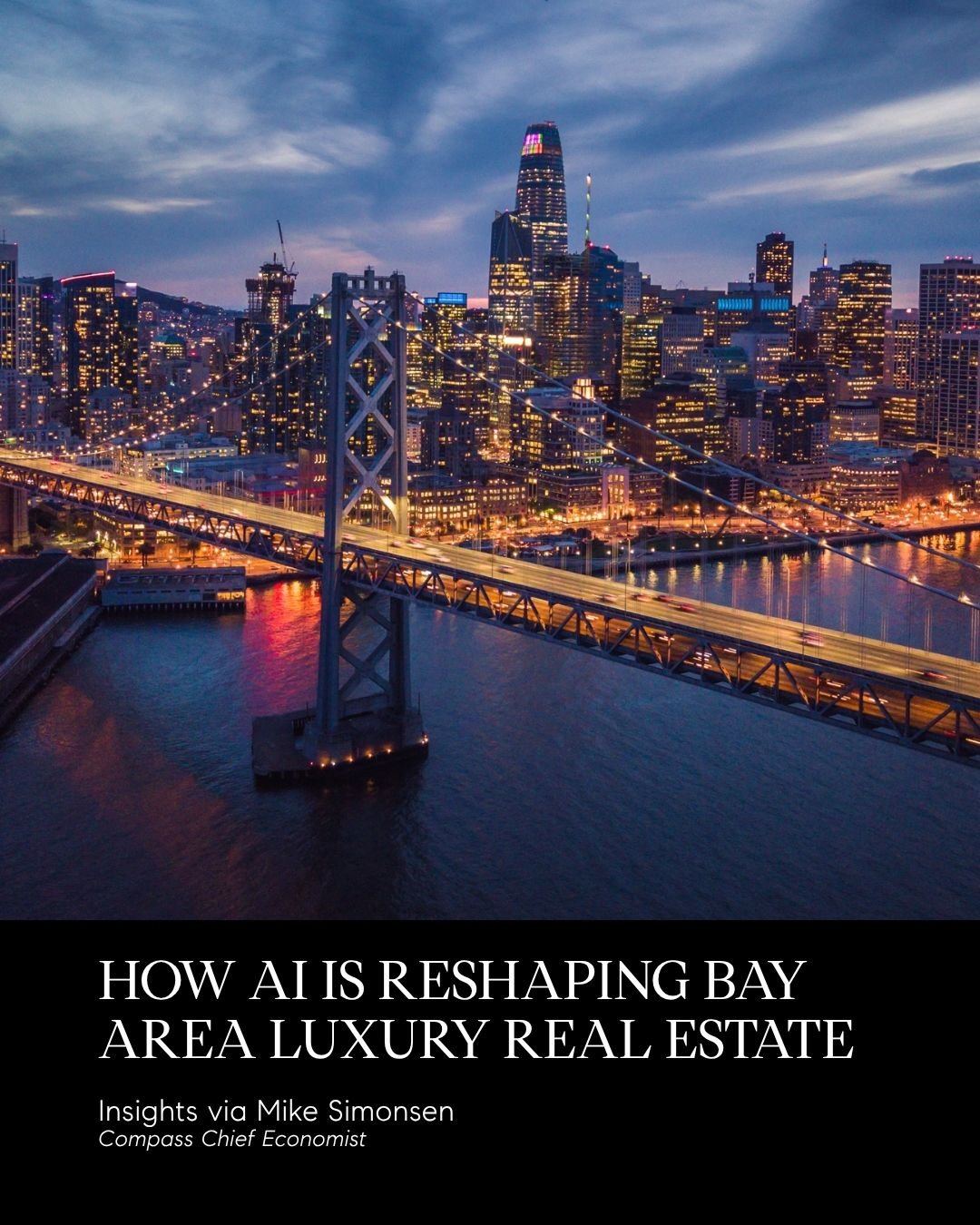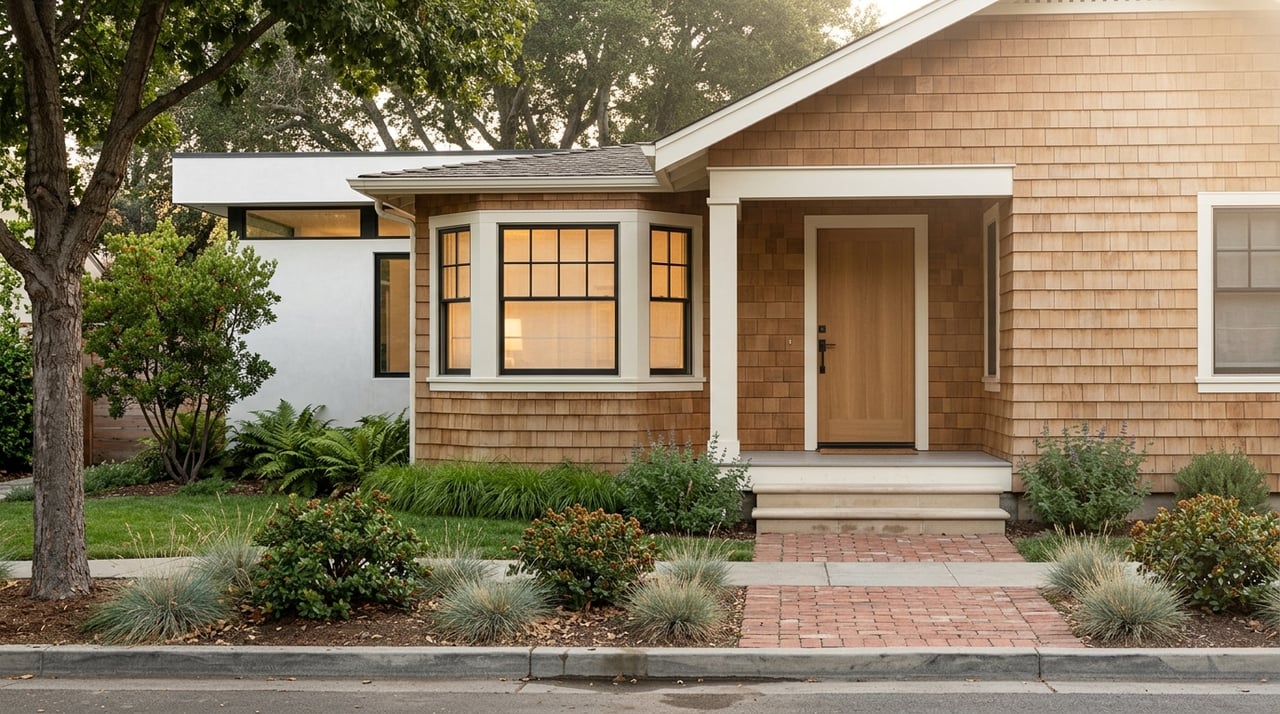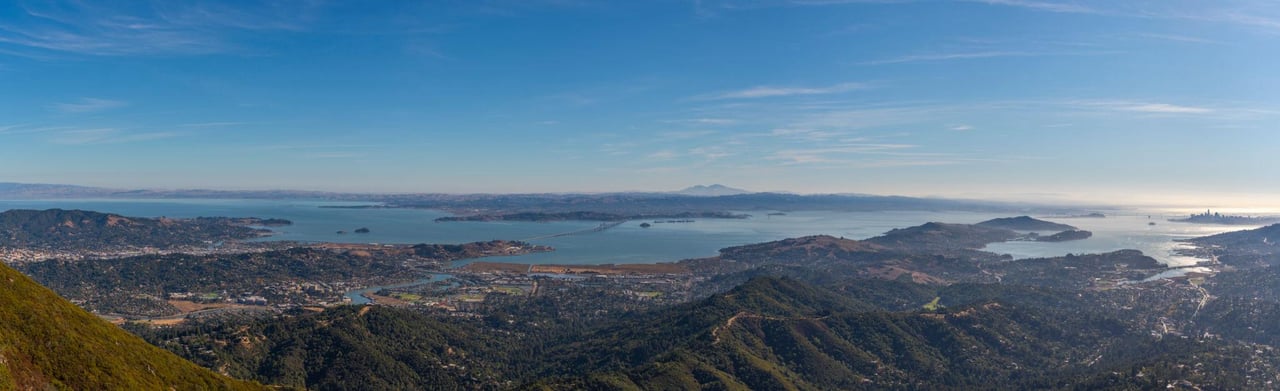
There is a moment that happens for a lot of San Francisco buyers — not a slow build, not a years-long deliberation, but a specific moment when something shifts. A lease renewal arrives. A colleague closes on a house in Mill Valley and invites you over for the first time. You spend a Sunday afternoon hiking the Dipsea Trail and drive home wondering why you are still paying San Francisco prices for a fraction of the life you actually want. Whatever the trigger, the decision rarely unfolds gradually. It arrives all at once.
What has changed over the past seven years is how many people are arriving at that moment simultaneously — and how much faster the decision is happening. For nearly a decade, the combination of San Francisco's housing costs, limited inventory, and the relentless competition for livable space has been pushing established professionals and families across the bridge in growing numbers. The AI boom has added an entirely new layer of pressure on top of that. The concentration of AI companies — and the extraordinary compensation packages that come with them — has created a new tier of housing demand in the city that is affecting even buyers who assumed they were well beyond the point of being squeezed. The people feeling it most acutely are not those on the margins. They are exactly the kind of buyers who might be reading this right now.
Navigating this market — on either side of the bridge — requires someone who understands both. This is precisely why working with a local Mill Valley agent matters more than it ever has. The market here moves quickly, rewards preparation, and is shaped by relationships and local knowledge that an outside agent simply cannot replicate. More on that below.
Mill Valley is where a significant number of them are landing. And I want to give you the clearest possible picture of what that move looks like — the opportunity, the tradeoffs, and the realities that most real estate content glosses over.
This Is a Lifestyle Trade — and I Made It Myself
Before anything else, let's be honest about something important: moving from San Francisco to Mill Valley is not a matter of finding a deal. It is a genuine trade of one way of living for another. I know this not just as a broker, but as someone who made exactly this move — and I want to give you the honest version of what it involves.
I owned a condominium on Telegraph Hill — top floor of a two-unit building — and I loved it. I loved the city, my community, my friends, the life I had built there. When my husband and I started looking at Mill Valley, it was not about schools or real estate strategy. We had no children yet. It was purely about the feeling of a place. We found a property and fell in love with it — the mountain access, the views, the privacy, the open blue sky.
The first thing that surprised me was the light and the sense of spaciousness. Having spent every summer in San Francisco shrouded in fog for nearly three months — not complaining, it's simply part of the city's character — I vividly remember arriving at our Mill Valley property and stepping outside for the first time. I took a deep breath of fresh air and immediately noticed how alive and connected to my surroundings I felt. The sky stretched endlessly above me, brilliantly blue, with sunlight pouring in from every direction. The warmth of the sun felt extraordinary. It may sound like a small thing, but after living without it for long enough, you realize just how profoundly light can shape your daily experience.
I was nervous about leaving. Genuinely nervous — about leaving my friends, my community, the city that had shaped my professional life since I started in real estate in 1993. That feeling was real, and I do not want to minimize it for buyers who feel it too. But once I made the move, I never looked back. More than 25 years later, I cannot imagine living anywhere else in the world.
I tell you this because I am not describing something I have observed from the outside. I lived the decision you are weighing right now. And what I can tell you with complete honesty is that the trade is real in both directions — and for the right person, it is one of the best decisions they will ever make.
If you live in Pacific Heights, the Marina, Russian Hill, or Noe Valley, you have something genuinely valuable: walkable urban life. Coffee shops, restaurants, wine bars, and cultural life are steps from your front door. That is real, and Marin — in most of its towns — does not replicate it. What Marin offers is different in kind. You are trading density for space. Sidewalk cafés for redwood trails. Shared walls for a private yard. Street noise for the sound of a creek and birdsong in the morning.
What makes Mill Valley exceptional — and genuinely different from most of Marin — is that it is one of the very few places in the county where you do not have to fully surrender the walkable village feeling to make that trade. Downtown Mill Valley, centered on Lytton Square, has real restaurants, coffee shops, a bookstore, a farmers market, and genuine community life within walking distance of many of its neighborhoods. That combination — a walkable downtown alongside private land, mountain access, and a true sense of place — is rare. It is a central reason why Mill Valley commands a premium even within Marin, and why it consistently draws buyers who are not ready to give up everything they loved about city living.
What the Market Is Actually Doing — And Why It Matters to You
San Francisco's AI boom has created a category of housing pressure that was not fully visible even two or three years ago. The concentration of AI companies — OpenAI, Anthropic, and dozens of others expanding in Mission Bay and SoMa — has brought an influx of extraordinarily well-compensated workers competing for a housing supply that has not meaningfully grown. The result is a market where even high earners are being squeezed in ways they did not anticipate.
In the city's most desirable neighborhoods — Pacific Heights, the Marina, Russian Hill — rents have risen dramatically over the past year. Anyone who has renewed a lease recently in those neighborhoods, or tried to find a new one, does not need a statistic to tell them what has happened. The market has made it clear. For many buyers, the monthly cost of renting in the neighborhoods they actually want to live in has crossed a threshold where it simply makes more sense to own something exceptional somewhere else.
The purchase market reinforces this. In San Francisco, $2 million in a prime neighborhood typically buys a condominium — roughly 1,100 to 1,400 square feet, shared walls, minimal outdoor space, often on a busy corridor. You are paying for location and urban access, which have genuine value. But for buyers who have started asking what that same capital could build elsewhere, the comparison to Mill Valley is instructive.
In Mill Valley, a similar budget is a real entry point for a single-family home — but it is worth being precise about what that means. The published median sale price of around $2.4 million reflects a significant volume of two- and three-bedroom homes that are trading at the entry level of the market. If what you are looking for is a genuinely beautiful four-bedroom property with meaningful outdoor space, privacy, and the setting that makes Mill Valley what it is, you are more likely looking at $3.5 million to $5 million or more. That is the honest range for the home that most buyers from San Francisco's north-end neighborhoods are actually envisioning when they picture life here. What you are getting for that investment — land, trees, a private yard, trail access, a real neighborhood — does not exist in the city at any price point.
The buyers who are clearest about this distinction — who understand they are not looking for a cheaper version of the city but a genuinely different life — are the ones who make the move and do not look back.
Mill Valley Is a Different Way of Living — and That Is the Point
I have lived in Mill Valley for more than 25 years, and I still find myself grateful for it on an ordinary Tuesday morning. That is not something I take for granted, and it is not something I expected when I first made the move from San Francisco.
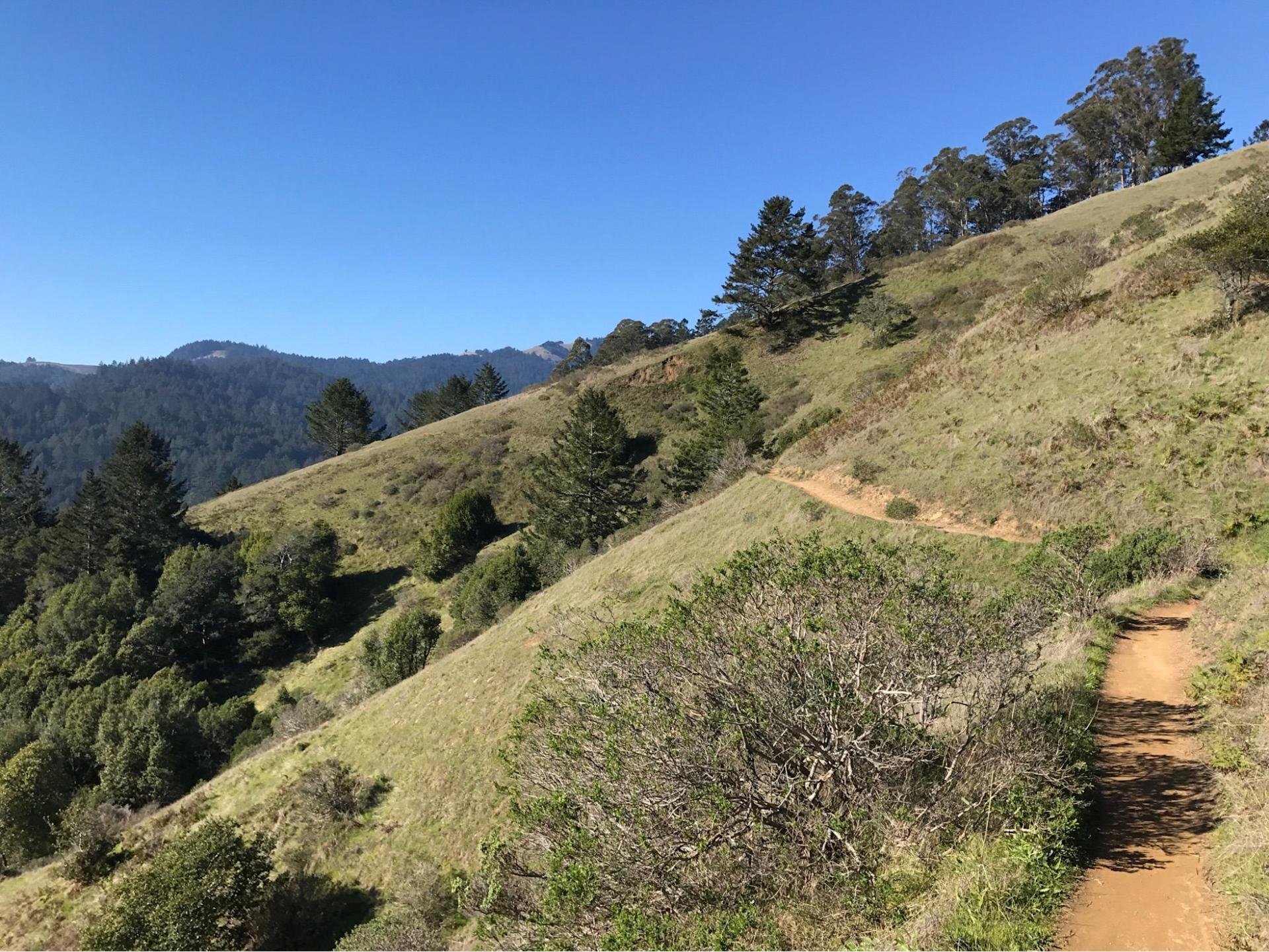
Mill Valley sits at the base of Mount Tamalpais, surrounded by redwood groves, seasonal creeks, and hundreds of miles of trails. I hike those trails regularly — with my dogs, with friends, sometimes alone before the rest of the town is awake — and the access to that kind of nature, woven into the fabric of an ordinary day rather than saved for a special weekend trip, is genuinely one of the things that changes how you experience your life here.
The downtown has the feel of a real village: small enough that you recognize faces, lively enough that there is always something worth showing up for. The Mill Valley Film Festival. A weekly farmers market. Outdoor concerts in the summer. Community events that people actually attend because they want to, not out of obligation. I have been involved in this community through my children's schools, through local organizations, through decades of showing up — and what I can tell you is that the sense of connection here is not a marketing talking point. It is real, and it builds over time in ways that are hard to replicate anywhere else.
What surprises most buyers from San Francisco is how quickly their daily life reorganizes itself around being outside. Morning hikes before work. Bike rides after school pickup. Weekends on the mountain without a reservation, a plan, or a parking situation. Neighbors who know your name and your dog's name. Children who play outside after school in ways that feel almost old-fashioned, and are better for it. The natural environment here is not a weekend amenity — it is the fabric of daily life.
That shift requires real adjustment for buyers who love what the city offers. Late-night dining options are more limited. A car is part of everyday life for most things beyond the immediate downtown area. The pace is different — quieter, more settled, more rooted. But ask almost anyone who has made this move, and the answer is remarkably consistent: they did not expect to love it this much, this quickly.
The Commute Is More Manageable Than You Think
The commute comes up in every buyer conversation, and it deserves a direct, honest answer.
Driving from Mill Valley to San Francisco means crossing the Golden Gate Bridge — roughly 25 to 35 minutes in non-peak traffic, 40 to 55 minutes or more during rush hour. Many Mill Valley residents adjust their schedules modestly and find the commute entirely workable. Marin's commuter lanes help considerably.
The Larkspur Ferry is what consistently surprises people. Golden Gate Ferry runs weekday service from the Larkspur Terminal to the San Francisco Ferry Building, with crossings taking approximately 35 minutes. For buyers who can organize their day around it, the ferry is one of the genuinely pleasurable commuting experiences in the entire Bay Area — calm, scenic, and nothing like sitting in traffic over the bridge.
For buyers on hybrid schedules — two or three days a week in the city, which has become the norm for much of the AI and tech workforce — the commute question becomes far less central than proximity to trails, schools, and the quality of daily life at home. That shift in how people work is a significant part of why the SF-to-Marin move is happening at a pace I have not seen in decades of doing this work.
Marin Is Not One Place — and Choosing the Right Town Matters
Buyers who search broadly for Marin County real estate sometimes do not realize how different the individual communities feel from the inside. Getting this right is one of the most consequential decisions in the entire process.
Mill Valley is where buyers go when they want a strong sense of place — a real walkable downtown, distinct neighborhoods, extraordinary nature access, and a community with a creative, outdoorsy identity. It consistently commands a premium within Marin because it earns one.
Sausalito has a waterfront character unlike anywhere else in the county — visually dramatic, with ferry access directly to the city. It tends to draw buyers who want to stay close to San Francisco and who prize Bay views above almost everything else.
Tiburon and Belvedere offer some of the finest views in the entire Bay Area alongside a quieter, more private lifestyle. Pricing reflects both the setting and the scarcity.
Corte Madera and Larkspur sit in central Marin and offer strong schools, excellent everyday convenience, ferry access, and price points that can be somewhat more accessible than Mill Valley or Tiburon.
Ross, San Anselmo, and Fairfax attract buyers who want more land, a strong small-town identity, and a pace that leans more relaxed. These communities have devoted followings among families who prioritize lot size and neighborhood connection.
Spending real time in multiple towns before narrowing your focus almost always produces better decisions. The way a community feels on a Tuesday morning is often quite different from how it looks on a Sunday open house afternoon — and that difference matters.
Schools Are Exceptional — and I Can Tell You From the Inside
For many families, the school system is what finally tips the decision. Mill Valley's public schools are consistently among the best in California, and I can tell you that from experience that goes well beyond what any ranking website will show you — I raised my three children here, through every stage of the Mill Valley public school system.
The Mill Valley School District serves the town with a strong group of elementary schools — Old Mill, Park, Edna Maguire, Strawberry Point, and Tamalpais Valley among them — feeding into Mill Valley Middle School and then Tamalpais High School. Tam High is part of the Tamalpais Union High School District, widely regarded as one of the finest public high school districts in the state. That reputation is accurate. But what the rankings don't capture is the community that forms around these schools — the involvement of parents, the culture of the classrooms, the way the school system knits the neighborhoods together in ways that shape your children's friendships and your own.
What many buyers don't discover until they are already in contract: school assignments in Marin are tied to specific addresses, and the boundaries are not always where you would expect them to be. Before you fall in love with a house, confirm which school it feeds into — particularly if your children are at an age where transitions carry weight. This is one of the many things I walk every family through before they start writing offers.
FAQs
What does it actually feel like to live in Mill Valley day to day?
Different from the city in the best possible way — though it takes a few months to fully settle into it. The pace is quieter and more rooted. You are outside more than you expect. You know your neighbors. Your children have more freedom. The mountain is always there, and access to it is part of ordinary life rather than a special occasion. Most people who make this move say the adjustment was faster and easier than they anticipated, and that within a year they could not imagine going back.
Is Mill Valley more affordable than San Francisco?
Not in any simple sense, and it is worth being direct about this. The published median sale price in Mill Valley reflects a significant number of entry-level transactions — two- and three-bedroom homes that represent the lower end of the market. If you are looking for a four-bedroom property with real outdoor space, privacy, and the setting that defines life here, the honest range is $3.5 million to $5 million or more. What you are buying for that investment is genuinely different from anything available in San Francisco: land, trees, a private yard, trail access, and a way of living that the city simply cannot offer. Buyers who come here expecting a less expensive version of Pacific Heights will be disappointed. Buyers who come because they want something different will almost certainly not be.
What makes Mill Valley different from other Marin towns?
Walkability to a genuine downtown is the primary distinction. Most Marin communities are beautiful but car-dependent for daily life. Mill Valley is one of the very few places in the county where you can walk to coffee, restaurants, schools, the farmers market, and local shops — while also having private land, direct trail access, and a natural setting that rivals anywhere in Northern California. That combination is rare and is a central reason why demand here remains consistently strong.
What is the commute from Mill Valley to San Francisco?
By car, roughly 25 to 55 minutes depending on time of day and bridge traffic. By Larkspur Ferry, approximately 35 minutes to the Ferry Building. Many buyers find the ferry to be one of the unexpected pleasures of living here.
How competitive is the Mill Valley market right now?
Very. Homes are selling in an average of 14 days, inventory remains under two months of supply, and well-positioned listings routinely attract multiple offers. The influx of SF buyers connected to the AI industry has added meaningful demand pressure in 2025 and into 2026.
Which Mill Valley neighborhoods are most walkable to downtown?
Sycamore Park, Tamalpais Park, the Boyle Park area, and the neighborhoods closest to Lytton Square offer the strongest walkability. These tend to be among the most consistently in-demand areas for buyers coming from San Francisco's walkable north-end neighborhoods.
The Right Move Is the One That Fits How You Want to Live
I started my real estate career in San Francisco in 1993, and I have maintained deep relationships with agents throughout the city ever since. Those relationships are active and ongoing — SF agents call me regularly for market reads on Marin, and many refer their buyers directly to me because they know, honestly, that I will do a better job for those buyers than they could. It is a genuine win-win: their client gets the best possible local representation, and they stay connected to a buyer they care about. That network of trust, built over more than three decades, is one of the things I bring to every buyer making this crossing.
I made this crossing myself. I left a home I loved on Telegraph Hill, I felt the nervousness of leaving a community and a city that had shaped me, and I arrived on the other side of the bridge to a life I would not trade for anything. More than 25 years later, Mill Valley is not where I ended up. It is where I belong.
The buyers who are happiest here are not the ones who came looking for a financial trade-off. They are the ones who came because they wanted something the city could not give them — more space, more nature, a real community, a downtown they could walk to, and a daily life built around light and open sky and being outside. Mill Valley delivers all of that. What it does not deliver is a replication of city living, and it does not try to.
If that trade sounds right — if the switch has flipped — I would welcome a direct conversation. I know both sides of this bridge, personally and professionally, and there is no one better positioned to help you navigate what comes next.
Sharon Kramlich is a residential real estate broker with more than 32 years of experience specializing in Mill Valley and Southern Marin. She began her career in San Francisco in 1993 and has lived in Mill Valley for more than 25 years. Contact: [email protected]