If you are selling a view home in Tiburon, the view is not just a nice extra. It is one of the main reasons buyers will want to see your property in the first place. In a market where presentation matters and buyers are comparing every detail, thoughtful preparation can help your home feel more compelling online and in person. This guide walks you through how to prepare a Tiburon view home for sale so the outlook, layout, and lifestyle come through clearly. Let’s dive in.
Why the view matters in Tiburon
Tiburon is a view-driven market, and that shapes how your home should be presented. The town’s setting on a peninsula in Richardson and San Pablo Bays is part of its identity, with the Town of Tiburon highlighting views of San Francisco, Angel Island, and the Golden Gate Bridge.
That context matters because buyers in Tiburon are often paying for more than square footage alone. As of February 2026, Redfin reported a median sale price of $4.75 million in Tiburon, compared with Marin County’s median price of $1.4 million for existing homes in November 2024. In a premium market like this, details such as sight lines, outdoor presentation, and photography can have an outsized impact on buyer attention.
Start by protecting sight lines
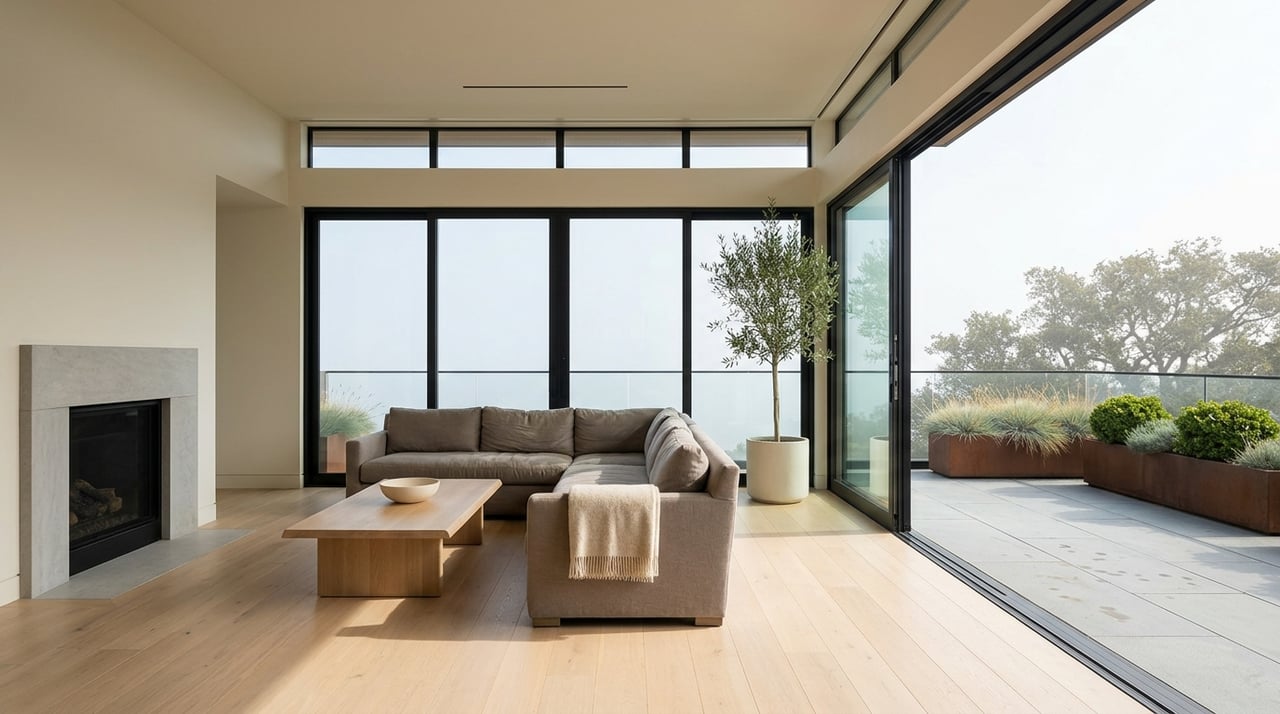
When you prepare a view home for sale, your first job is to make sure nothing competes with the outlook. Buyers should notice the water, skyline, hills, or bridge view almost immediately when they enter the main living spaces.
The easiest way to do that is to simplify the room. According to the National Association of Realtors’ 2025 staging snapshot, 83% of buyers’ agents said staging made it easier for buyers to visualize a home as their future residence, and the most commonly staged rooms were the living room, primary bedroom, and dining room. Those are often the same rooms that frame the best views.
Keep furniture low and light
Large, heavy furniture can interrupt the visual flow to the windows. In a Tiburon view home, it often makes sense to use lower-profile seating and keep larger pieces away from window walls.
This does not mean the room should feel empty. It means every piece should support the experience of the space, not block it.
Remove visual distractions
The NAR consumer guide to preparing to sell your home recommends cleaning windows, carpets, lighting fixtures, and walls, along with storing away clutter. Its staging guidance also suggests opening blinds, removing distracting art, paring down furniture, and using greenery sparingly.
For a view property, those steps are especially important. Bold artwork, crowded shelves, oversized lamps, and too many accessories can pull the eye away from what buyers came to see.
Use a calm, neutral palette
A neutral palette helps a room feel larger, brighter, and less visually busy. Soft whites, warm grays, and natural textures can help the light bounce through the space while letting the outside scenery stay front and center.
If the home is vacant or only lightly furnished, virtual staging may also be worth considering. It can help buyers understand how the room lives without requiring a full physical setup.
Focus on the rooms that sell the lifestyle
Not every room needs the same level of effort. In most Tiburon view homes, buyers respond most strongly to the spaces that connect daily living with the outlook.
Start with these priority areas:
- Living room
- Primary bedroom
- Dining room
- Kitchen if it shares or supports the view
- Main terrace, deck, or patio
- Entry sequence if it leads toward a view reveal
Each of these spaces should feel intentional, open, and easy to understand. If a buyer has to work to imagine how the room functions, the emotional impact can fade quickly.
Make outdoor spaces feel usable
In a view home, outdoor areas are part of the product. A deck, terrace, balcony, or yard should not feel like leftover space. It should help buyers picture how they might spend time there.
A 2025 NAR backyard staging article recommends treating the yard as a lifestyle story by defining lounge, dining, and social zones, using lighting, and scaling furniture to the size of the area. Even a compact outdoor space can feel inviting when it has a clear purpose.
Create one or two strong moments
You do not need to overdesign the exterior. In many cases, a simple seating area oriented toward the view, a small dining setup, or a conversational grouping is enough.
The goal is to show buyers how the outdoor space lives. When the setup is clean and proportional, the view does the rest.
Keep landscaping tidy and intentional
General cleanup goes a long way. Trim overgrowth, refresh planting beds, and remove anything that looks neglected or blocks key vantage points.
For a lower-maintenance approach, EPA WaterSense guidance supports using native or low-water plants, mulch, and regular maintenance. In Marin, that can help the landscape feel polished without turning it into a high-maintenance project.
Improve curb appeal before photos
Before buyers ever schedule a showing, they will likely see your home online. That means the exterior has to work hard from the start.
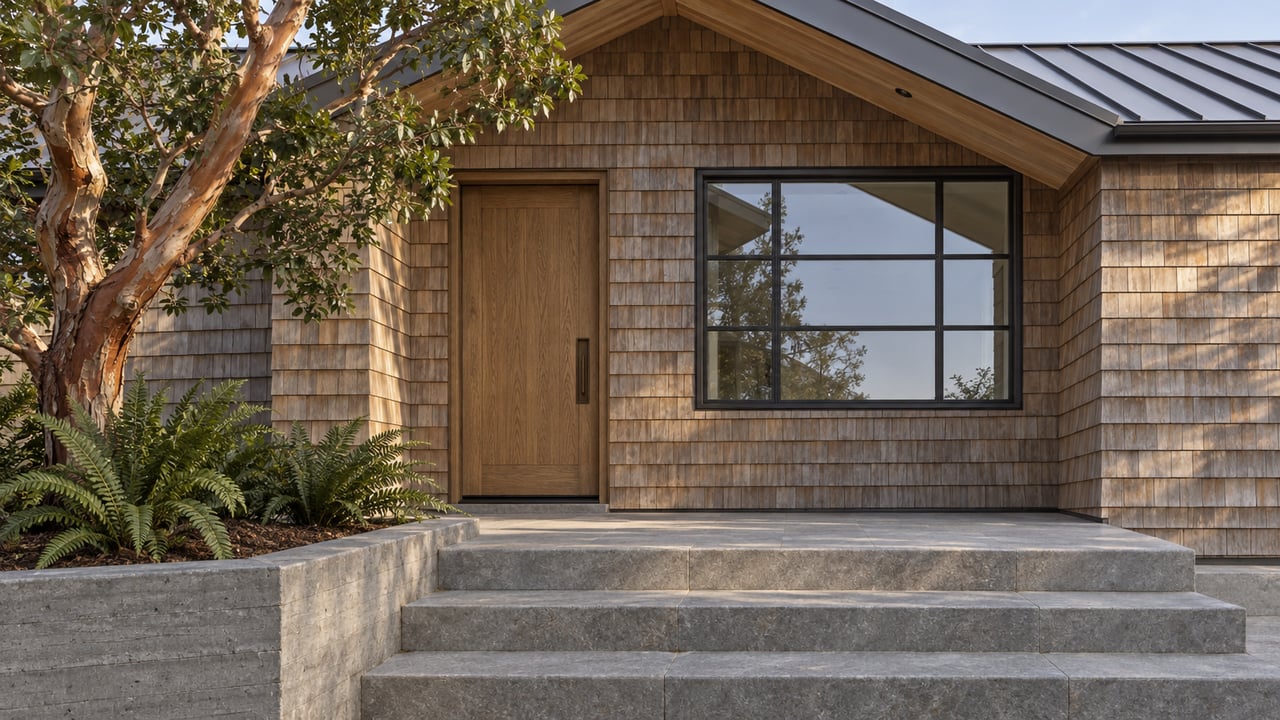
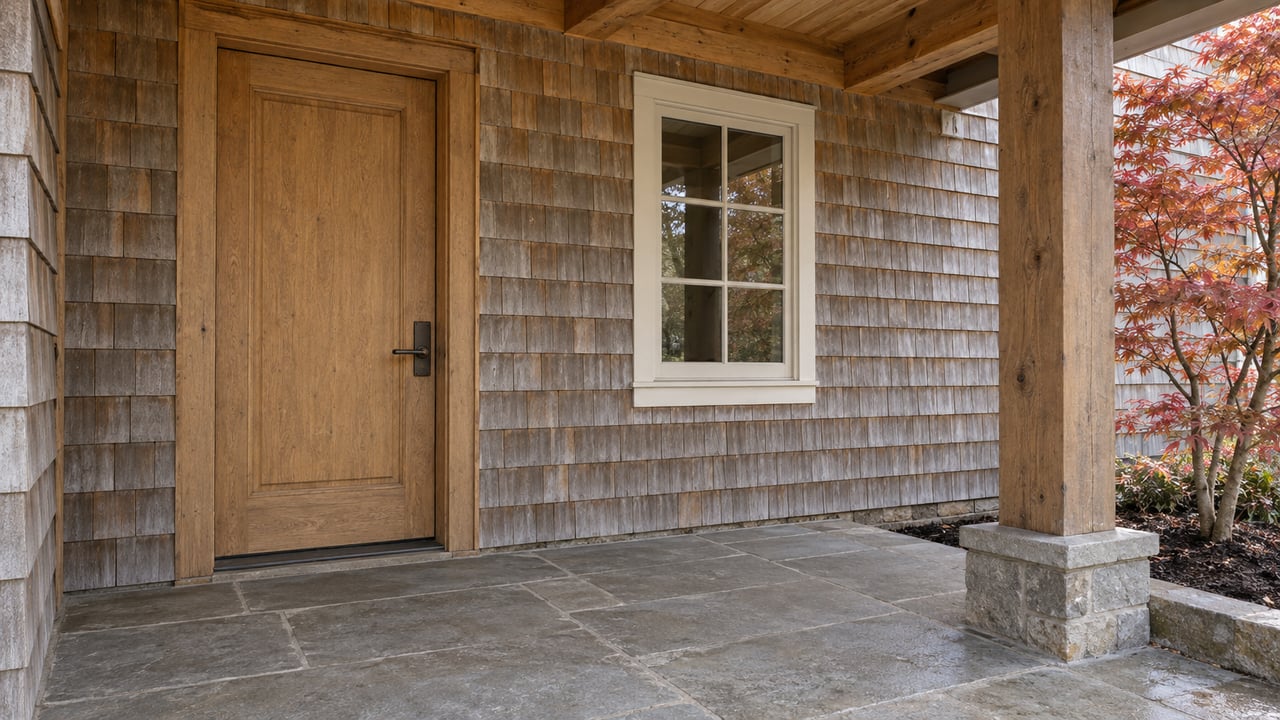
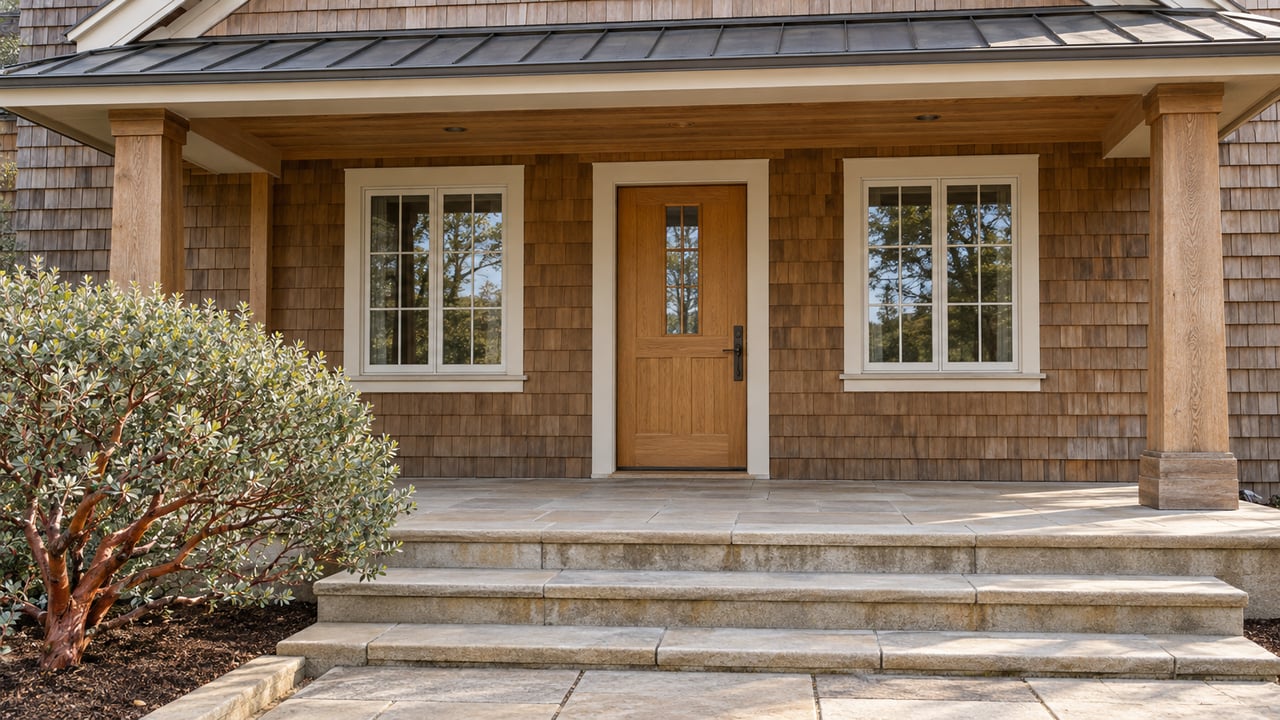
NAR’s curb appeal guidance recommends front-porch seating, flowers or greenery, walkway lighting, and avoiding overgrown shrubs or too many decorative objects. The NAR seller guide also notes that landscaping, the front entrance, and paint jobs can improve both curb appeal and photo appeal.
In Tiburon, this often means paying close attention to the full arrival sequence. The drive-up, the front path, the entry, and the first look through the home should all feel consistent and well cared for.
Get the home photo-ready
Professional photography is essential for a high-value listing. It is one of the clearest ways to communicate the home’s outlook, scale, and atmosphere before a buyer ever steps inside.
NAR says high-resolution photos and video tours are a must. The same photo-shoot guide notes that cameras magnify clutter and grime, so sellers should open blinds, clear surfaces, remove magnets and distractions, and keep the home spotless for the shoot.
Prep specifically for the camera
A room can feel fine in person and still look busy in photos. Before the shoot, it helps to:
- Clean every window thoroughly
- Clear kitchen and bath counters
- Remove personal items and paper clutter
- Hide cords, remotes, and small appliances
- Edit bookshelves and display surfaces
- Check outdoor furniture cushions and planters
Small details show up quickly in close-up and wide-angle photography. The cleaner the frame, the more the view and architecture can shine.
Choose upgrades with care
Many sellers assume they need a major renovation before listing. In reality, the most effective updates are often the ones buyers notice right away in photos and showings.
According to Zillow’s 2024 seller housing trends report, 72% of sellers completed at least one improvement before listing. Among those who made updates, the most common projects were interior paint, bathroom updates, kitchen improvements, and yard landscaping.
Prioritize visible, low-disruption work
For many Tiburon sellers, cosmetic improvements offer the best balance of impact and efficiency. Fresh paint, decluttering, updated lighting, trim touch-ups, window washing, and landscape cleanup can all improve how the home shows without creating a long construction timeline.
This approach also aligns with local permit realities. The Tiburon Building Division notes that painting, flooring, carpeting, and wallpapering are generally exempt from permit requirements, while window replacements, kitchen or bath remodels, fences or walls, and most electrical, plumbing, mechanical, re-roofing, or drainage work generally require permits.
Fix issues that create buyer leverage
A pre-sale inspection is not required, but NAR’s seller guide says it can help identify issues before buyers do. If there are known roof, HVAC, appliance, or maintenance concerns, it is smart to at least understand the scope and cost before going to market.
In a luxury listing, visible deferred maintenance can become a negotiation point quickly. Buyers may forgive dated finishes more easily than they forgive problems that suggest uncertainty or future hassle.
Build a prep plan around your timeline
Every seller has a different threshold for disruption. Some want a light refresh and a quick launch. Others are open to a more curated pre-market plan if it is likely to improve presentation and net proceeds.
A practical prep strategy usually falls into one of these categories:
| Approach | Best for | Typical focus |
|---|---|---|
| Light refresh | Sellers who want speed and minimal disruption | Decluttering, cleaning, paint touch-ups, staging, landscaping |
| Targeted improvement | Sellers willing to invest in presentation | Lighting, selective cosmetic updates, outdoor styling, minor repairs |
| Concierge prep | Sellers who want project management and polished execution | Coordinated improvements, staging, photography, and launch planning |
For many high-end homes, the right answer is not the biggest budget. It is the clearest plan.
Use a concierge approach when it adds value
For time-constrained sellers, coordination is often the hardest part of pre-sale preparation. Managing painters, landscapers, stagers, photographers, and scheduling can quickly become a project of its own.
That is where a concierge-style approach can help. Sharon Kramlich offers a full-service, design-forward selling experience with curated vendors and Compass Concierge support for eligible pre-sale improvements, helping you streamline the work needed to bring a home to market with less stress and stronger presentation.
When handled well, preparation should feel strategic, not overwhelming. The goal is to make smart updates, preserve what makes the property special, and present the home in a way that feels effortless to buyers.
If you are considering selling a view home in Tiburon, the best first step is a tailored plan based on the property, the view corridors, your timing, and the level of preparation that makes sense for you. To talk through what to improve, what to leave alone, and how to bring your home to market with clarity, connect with Sharon Kramlich.
FAQs
What matters most when preparing a view home for sale in Tiburon?
- The biggest priority is protecting the sight lines so buyers notice the view right away, then supporting that with clean staging, polished outdoor areas, and strong photography.
Should you stage a Tiburon view home before listing it?
- Staging is often helpful because it can make it easier for buyers to visualize the home, especially in the living room, primary bedroom, and dining room where the view may be most important.
What upgrades should you make before selling a Tiburon luxury home?
- The most effective pre-sale updates are often visible, low-disruption improvements such as paint, lighting refreshes, decluttering, landscape cleanup, and repairs that remove obvious buyer concerns.
Do you need permits for pre-sale home improvements in Tiburon?
- Some cosmetic work such as painting, flooring, carpeting, and wallpapering is generally exempt, while larger projects like window replacement and many kitchen, bath, plumbing, electrical, mechanical, or roofing updates generally require permits.
How should you prepare outdoor spaces at a Tiburon home with views?
- Outdoor areas should feel usable and well defined, with simple seating or dining zones, tidy landscaping, and a layout that supports the view rather than competing with it.
Why is professional photography important for a Tiburon home sale?
- Professional photography helps buyers understand the home’s light, layout, and views online, and it is especially important in a premium market where many showing decisions start with listing images.