If you are torn between Sausalito’s hillside views and its one-of-a-kind waterfront, you are not alone. Each area offers a distinct lifestyle, from quiet, sunlit terraces above the Bay to walkable flats and floating homes along Richardson Bay. In this guide, you will learn how to compare the day-to-day tradeoffs, what to watch in inspections and insurance, and how to plan a smooth purchase with confidence. Let’s dive in.
Sausalito at a glance
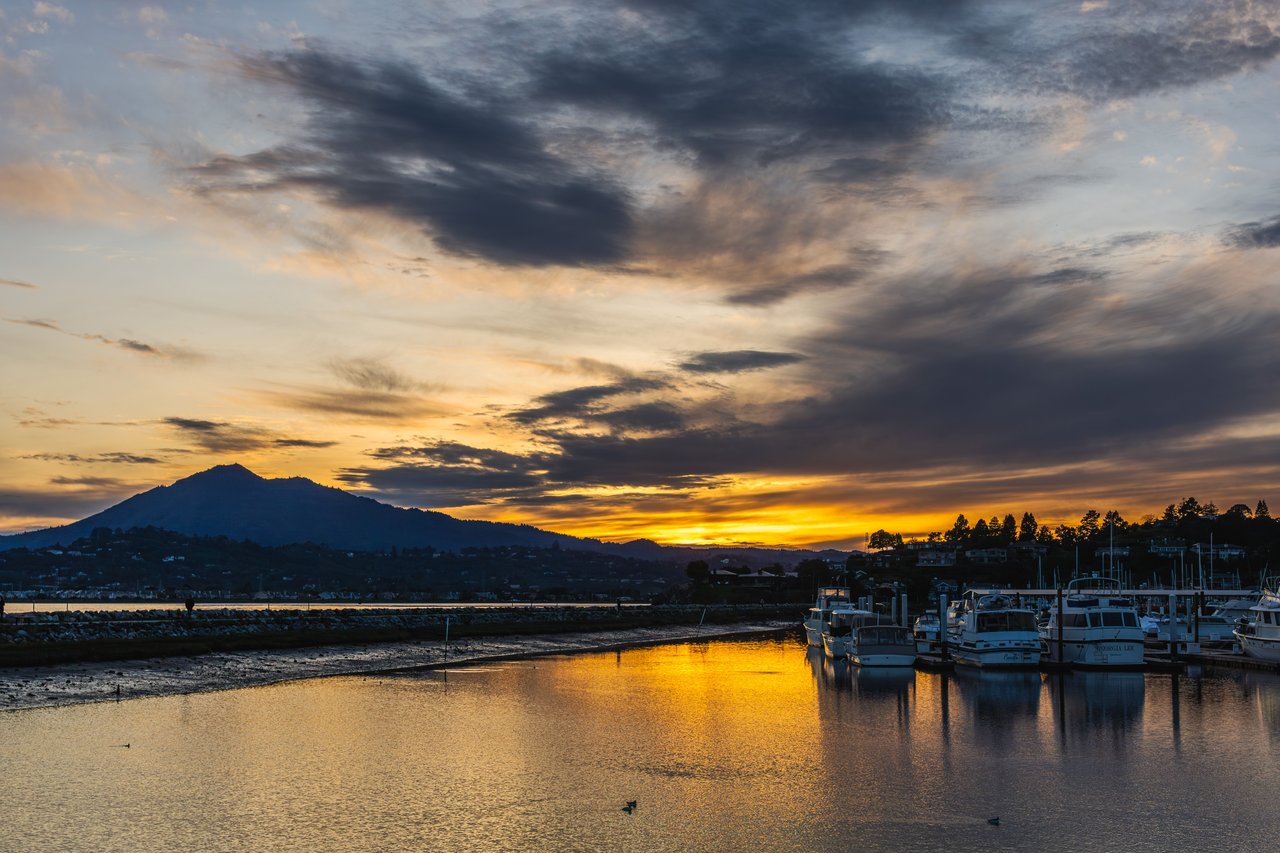
Sausalito is compact but varied. You will find steep hillside neighborhoods with big views, a walkable downtown flats area near Bridgeway and the Ferry Landing, and a distinctive waterfront with marinas and floating homes on Richardson Bay. For a quick neighborhood overview, explore the local breakdown of hills, flats, and waterfront areas on the community resource at Oursausalito.
Each zone has its own benefits and tradeoffs:
- Hillsides: privacy, panoramas, and sun pockets, with stairs, steep driveways, and tighter parking on some streets.
- Flats: walkability, ferry access, and everyday convenience, with busier parking patterns near downtown.
- Waterfront: instant water access, character, and a specialty floating-home market, with unique financing, inspections, and moorage or HOA fees.
Hillside living: views, privacy, access
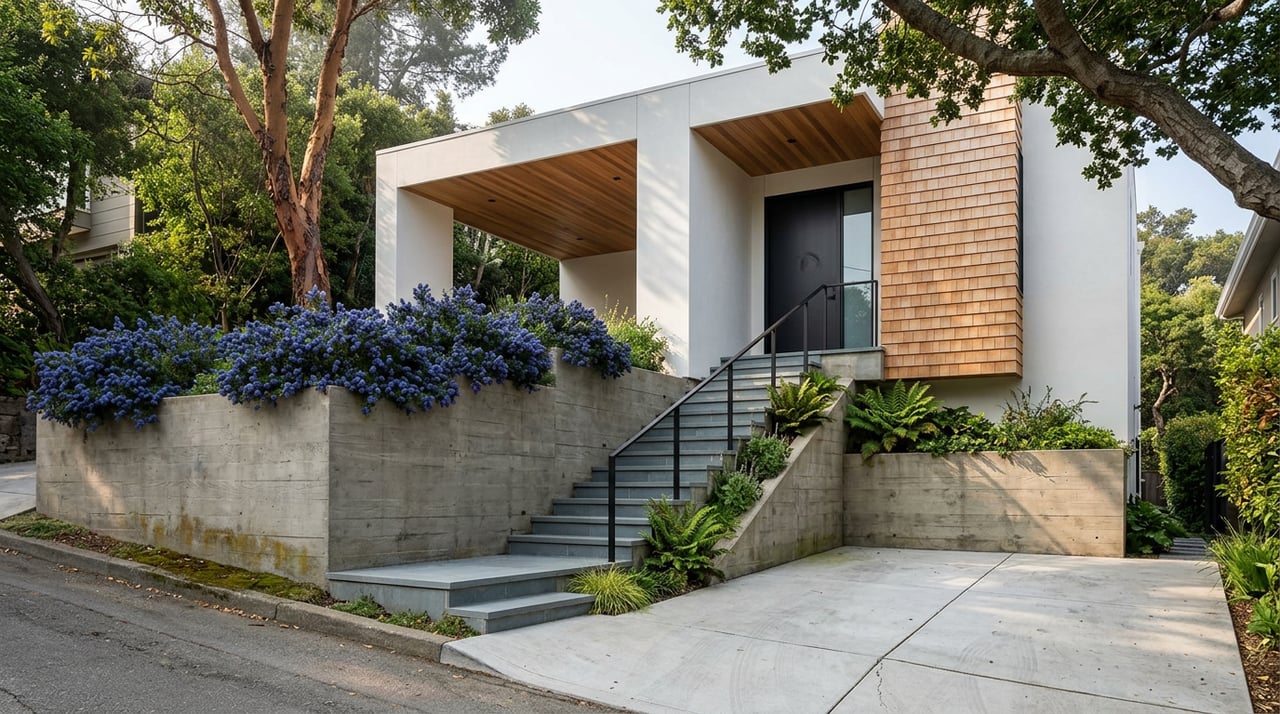
Hillside homes are popular for panoramic Bay and Golden Gate vistas. Architecture ranges from vintage to mid-century to modern remodels. You will likely see multi-level layouts that maximize outlooks and natural light.
Expect lifestyle quirks. Exterior stairs, narrow roads, and steep garage approaches are common. Guest parking is limited on select blocks, which matters when you host or receive deliveries.
Structural and site history are critical. Ask for recent geotechnical and structural reports, permits for retaining walls, slope stabilization, and drainage improvements. These documents help you understand how the site performs during heavy rain and seismic events.
Downtown flats and ferry lifestyle
If you value short walks to coffee, dining, and the ferry, the flats near Bridgeway and the Ferry Landing may fit you well. Grades are more gentle, which makes errands, strollers, and deliveries easier.
Parking is the main variable downtown. Sausalito provides resident programs, area permits, and passcards for city lots. Review the city’s resident parking rules early and confirm a property’s assigned spaces or HOA restrictions before you write an offer.
Waterfront and floating homes on Richardson Bay
Sausalito’s waterfront includes marinas, Marinship’s working waterfront, and a unique floating-home community. The setting is inspiring, and daily life can feel like a retreat on the water.
Ownership structures vary. Some floating homes are fee simple, while many involve moorage leases, marina tenancy, or vessel-style title. Each path affects lending, taxes, and transfer steps. For a practical primer, see this Sausalito floating-home ownership guide.
Plan for specialized due diligence. Floating-home purchases typically include a marine survey of floats or pontoons, checks of pilings and gangways, shore power and plumbing assessments, and a careful review of marina rules and moorage or HOA fees.
Commute, access, and parking
Sausalito’s ferry offers a scenic and reliable commute option to San Francisco. The Golden Gate Ferry to the Ferry Building is typically 25 to 35 minutes, depending on service. Always confirm current times on the Golden Gate Ferry schedule.
If you plan to drive, US-101 over the Golden Gate Bridge is the standard route. Traffic patterns vary by time of day and direction, which may influence whether you choose ferry, car, or a hybrid approach.
For parking, verify assigned spaces and any HOA or marina rules. Downtown residents can explore area permits and passcards using the city’s resident parking page.
Microclimate and natural hazards
Sausalito’s microclimates can shift within minutes of walking or driving. Waterfront and low-lying areas can be windier or foggier, while sheltered, south-facing hillsides often enjoy warmer windows of sun. It helps to visit homes at different times of day. For a broader context on Marin’s microclimates, review this homebuyer’s microclimate guide.
Waterfront buyers should review flood and sea-level context early. Regional agencies are updating shoreline adaptation plans that inform future projects and constraints. Start with the Bay Conservation and Development Commission’s San Francisco Bay Plan resources, then add parcel-level tools like the Bay Shoreline Flood Explorer. Always confirm a property’s flood-zone designation on FEMA’s Map Service Center. If a home is in a Special Flood Hazard Area, most lenders will require flood insurance, and the National Flood Insurance Program has a 30-day waiting period. Review the NFIP basics here: FEMA flood insurance fact sheet.
On the hillsides, pay close attention to slope stability, drainage paths, and past retaining-wall work. In seismic country, retrofit needs and site-specific engineering are common for major projects. Your agent can help you organize the right specialists and records to reduce surprises.
Inspections, insurance, and financing
Hillside single-family inspections
- General home inspection focused on roof, drainage, and foundations.
- Geotechnical review of soils, slope stability, and retaining walls.
- Structural engineer assessment of foundations or crib walls.
- Permit history for slope mitigation and drainage improvements.
Flats and condo due diligence
- Standard condo or home inspection plus systems checks.
- HOA document review: master insurance policy, reserve studies, recent or pending assessments, and any shared seawall or drainage projects.
- Parking verification: assigned spaces, guest rules, and local resident parking programs.
Floating-home due diligence
- Marine survey of float or pontoons, pilings, and gangways.
- Licensed electrician to review shore power and panels.
- Plumbing and pump-out checks, plus moorage or HOA rules.
- Ownership and lending path confirmation. For an overview, see the floating-home ownership guide.
Insurance essentials
- Homeowners policies typically exclude flood and earthquake. In California, earthquake coverage is a separate product, often via private carriers or the California Earthquake Authority. Get quotes early and review limits and deductibles.
- Flood insurance may be required in designated flood zones. Compare NFIP and private flood quotes and note the NFIP waiting period outlined in the FEMA fact sheet.
- Floating homes may require a blend of marine or hull coverage, homeowner-style policies, and harbor-required endorsements. Lenders often specify minimums.
Financing tips
- Conventional financing is typical for fee-simple homes and many condos.
- Floating homes that are titled as vessels or that sit on leased tidelands often require chattel or portfolio loans with different terms and underwriting. Pre-qualify with a lender who regularly finances floating homes and nonstandard collateral.
Price context and how to value
Sausalito is a high-value, low-inventory market with micro-neighborhoods that can differ block by block. Medians shift with a small number of sales, so treat any single snapshot as directional rather than absolute. Always date-stamp any statistic you review and pair it with local, recent comps.
As a ballpark framing, recent periods have shown the following patterns:
- Downtown flats and many condos are often the more affordable entry points in Sausalito, with prices in the lower to mid seven figures depending on size and proximity to the water.
- Hillside view homes span a wide range, often in the mid seven figures, with premium, remodeled properties in top view corridors reaching higher price bands.
- Waterfront and floating homes vary widely, from smaller or older floats that can trade in the lower seven figures to rare waterfront estates that reach the upper ranges. Always analyze price per square foot alongside condition, access, parking, and view quality.
Buyer checklist for showings
Use this quick list to focus your tours and offers:
Logistics and livability
- Count steps from street or garage to the front door. Ask about lifts or mobility solutions if needed.
- Check driveway grade and garage fit for your vehicle. Practice maneuvering if the approach is steep.
- Confirm guest parking and neighborhood permit options via the city’s resident parking page.
Systems and maintenance
- Review age and condition of roof, electrical panel, HVAC or heat pump, and sewer lateral or pump-outs for floats.
- For hillsides, request geotechnical reports, retaining-wall permits, and warranties for any slope work.
- For waterfront or floating homes, obtain marine survey records and evidence of permitted dock or piling repairs.
Insurance and regulatory
- Pull the FEMA flood-zone letter and any elevation certificate on file by searching the FEMA Map Service Center. Get flood and earthquake quotes early.
- Flag shoreline adaptation and permitting context using BCDC’s Bay Plan resources and the Bay Shoreline Flood Explorer.
HOA and harbor agreements
- Review CC&Rs, reserve studies, meeting minutes, marina or moorage leases, and any special assessments. Confirm transferability of slip or moorage rights.
Neighborhood fit
- Walk the route to ferry, parks, and shops. Visit at morning and late afternoon to experience sun, wind, and fog. If school assignment matters to you, confirm the applicable district’s published boundaries and enrollment process.
How Sharon helps you buy well
Choosing between Sausalito’s hills and waterfront is as much about daily rhythm as it is about stats. You deserve a calm, curated process that surfaces the right homes, clarifies risk, and positions your offer to win without regret. Sharon pairs deep Southern Marin expertise with a trusted vendor network to coordinate inspections, read complex HOA or moorage documents, and source on and off-market options that match your lifestyle goals.
If you are ready to explore Sausalito with a thoughtful plan, connect with Sharon Kramlich. She will help you compare neighborhoods, assemble the right due diligence team, and negotiate with confidence.
FAQs
What are the pros and cons of Sausalito hillside homes?
- You gain privacy, bigger views, and often sunnier pockets, but you trade for stairs, steep driveways, tighter parking on some blocks, and a greater focus on geotechnical, drainage, and retaining-wall due diligence.
How does floating-home financing work in Sausalito?
- Many floating homes use chattel or portfolio loans rather than standard mortgages, especially when titled as vessels or located on leased tidelands, so pre-qualify with a lender experienced in floating-home financing and review the marina or moorage agreement closely.
How do flood zones affect Sausalito waterfront purchases?
- If FEMA shows the property in a Special Flood Hazard Area, most lenders require flood insurance, the NFIP has a 30-day waiting period, and you should compare NFIP and private quotes while also reviewing shoreline adaptation context using BCDC and the Bay Shoreline Flood Explorer.
Is ferry commuting from Sausalito practical for San Francisco workers?
- Yes, the Golden Gate Ferry runs scheduled service to the Ferry Building in about 25 to 35 minutes depending on the run, and you should verify current times on the official schedule before planning your commute.
How does downtown Sausalito parking work for residents?
- Downtown properties may have assigned spaces or rely on city programs, so confirm any deeded or HOA parking and review Sausalito’s resident permits and passcards to understand your options before writing an offer.