Waking up to the tide in Sausalito is a dream, but owning a floating home here is not like buying a typical house. You face unique rules, fees, inspections, and financing choices that can feel confusing at first glance. This guide gives you a clear roadmap so you can decide if waterfront living fits your lifestyle and budget. You will learn what counts as a houseboat in Sausalito, how ownership and taxes work, what to expect in costs and lending, and how to vet a property before you buy. Let’s dive in.
What “houseboat” means in Sausalito
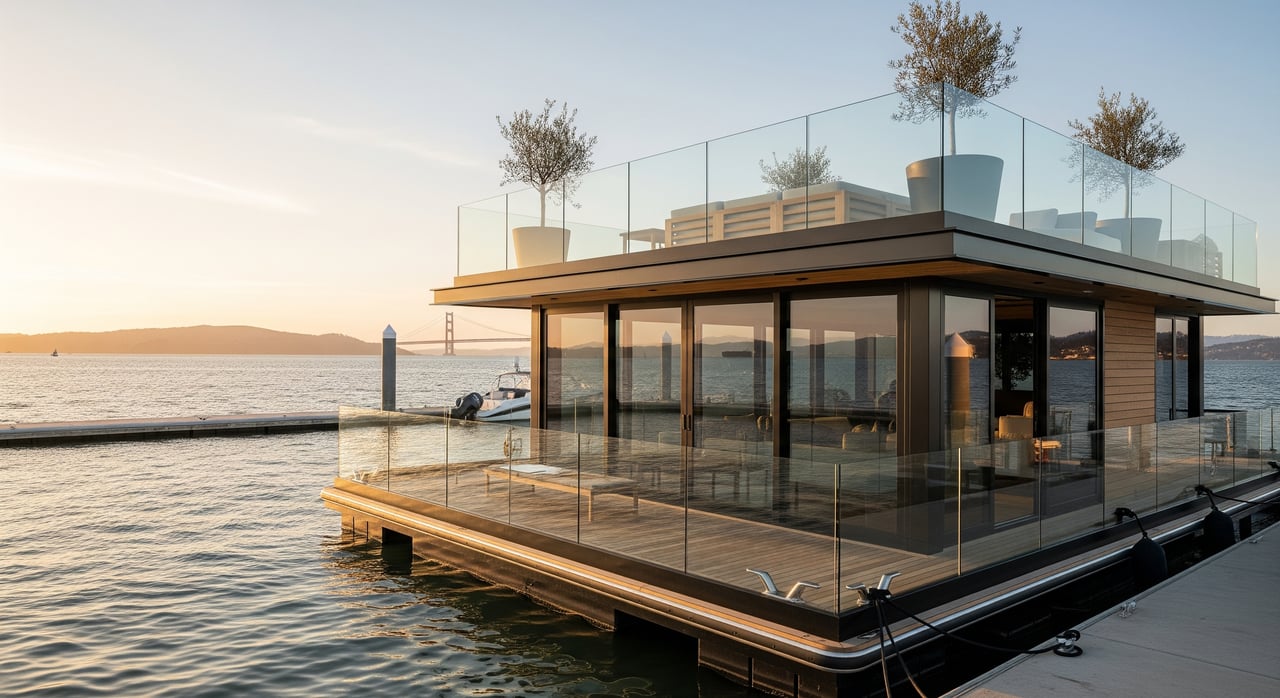
In Sausalito, the words you use matter. A floating home is a residential structure built on a permanent float that is usually fixed to a dock or pilings. A houseboat (vessel) is a boat designed for living aboard and registered as a vessel. Your berth or slip is the space in a marina where the unit is moored.
Sausalito’s inventory includes both floating homes and liveaboard vessels clustered along Richardson Bay. It is a small, specialized micro-market with limited supply and strong local demand for iconic waterfront living.
Who regulates your floating home
Several agencies can govern what you can build or modify:
- City of Sausalito and Marin County for local permits and harbor rules
- State of California for tidelands and sovereign lands
- San Francisco Bay Conservation and Development Commission (BCDC) for work affecting the Bay
Projects that alter floats, pilings, or utilities often need permits from one or more authorities. Environmental rules tied to the Bay and tidelands can limit new fill and certain construction. Individual marinas and floating-home communities also enforce their own rules, CC&Rs, and maintenance standards under a harbor master, marina manager, or HOA.
Ownership models and paperwork
Floating homes and houseboats in Sausalito can fall into several tenure types:
- Deeded or fee-simple real property for certain sites, though this is less common
- Leasehold tidelands or moorage leases where berths occupy public tidelands with set terms and permitted uses
- Marina tenancy or occupancy agreements in private marinas with rules on alterations, subletting, and use
- Vessel title if the property is registered as a boat rather than real property
Key legal checks before you buy
Review these items carefully with your agent and attorney:
- Title and possession: confirm whether you receive a deed, a transferable lease, or vessel title
- Mooring or berth agreement terms: lease length, renewal rights, transfer rules, rent escalations, maintenance duties, and any harbor liens
- CC&Rs and HOA rules: parking, pets, guest policies, exterior changes, and assessments
- Public trust and tidelands issues: restrictions tied to underlying tidelands or reversionary rights
- Liens and encumbrances: unpaid moorage fees and mechanic’s liens for marine work
Taxes and assessments
How your property is classified drives taxes. Some floating homes that are permanently affixed may be assessed as real property. Others may be treated as personal property. For any specific property, contact the Marin County Assessor’s Office to confirm classification and assessed value.
As general context in California, baseline property tax is commonly around 1 percent of assessed value plus local assessments. Your actual bill depends on classification and local levies.
Costs you should expect
Plan for several ongoing expenses in Sausalito’s floating-home communities:
- Mooring, harbor, and HOA fees: vary widely. Around the Bay Area, berth and slip fees often range from a few hundred to over one thousand dollars per month, depending on slip size, services, and community dues.
- Utilities and services: water, electricity via shore power, sewer or pump-out fees, garbage, and internet. Some are metered individually, others are shared.
- Insurance: premiums can be higher than standard homeowners coverage. Expect to consider structure, liability, pollution, and possibly hull coverage if classified as a vessel.
- Property tax and special assessments: based on your assessed classification and local district levies.
Financing your purchase
Financing depends on how the property is classified and affixed:
- If treated as real property, some conventional mortgage options may be available.
- If treated as personal property or a vessel, standard mortgage programs often do not apply. You will likely explore chattel loans or marine loans. Portfolio lenders and local credit unions with marina experience sometimes offer customized financing.
Expect stricter underwriting, higher down payments, higher rates, and shorter terms compared with a typical home mortgage. Appraisals can be challenging due to the limited number of comparable sales, so lenders often require appraisers with floating-home experience.
Insurance and flood risk
Your coverage should reflect life on the water:
- Floating-home or houseboat homeowner policy, if available, for structure, personal property, and liability
- Marine hull or boat insurance if the unit is classified as a vessel
- Pollution liability coverage for potential fuel or oil leaks
Many waterfront floats lie in FEMA flood zones, and lenders may require flood insurance through the National Flood Insurance Program. Coastal settings bring storm surge and high-tide concerns, and long-term sea-level-rise studies for San Francisco Bay show increasing risk that can influence insurance and permitting.
Inspections that matter
Specialized inspections can protect you from costly surprises:
- Marine surveyor: inspect floatation systems, decking, pilings, anchoring, gangway, and structural framing
- Structural engineer: advisable when major repairs or float upgrades are planned
- Licensed electrician: test shore power connections, onboard wiring, panels, and safety equipment
- Plumbing and sewage specialist: review sewer hookups, pump-out systems, and backflow prevention
- Environmental and hazardous materials: test for mold, lead paint, asbestos, or contaminants when renovating
- Pest and wood-borer inspection: particularly for wood below the waterline
- General home inspection: interiors, appliances, HVAC, windows, and insulation
Maintenance and permits
Salt air and tide cycles add wear and complexity. Common maintenance items include:
- Float and buoyancy work, including periodic replacement of floats or sealed compartments
- Piling and anchoring repairs, sometimes requiring permits and specialized contractors
- Deck and exterior preservation, plus corrosion control on metal parts and fasteners
- Mechanical systems like bilge and sewage pumps, and safety disconnects
Any major work that changes floats, pilings, or decking can require permits from the City of Sausalito, BCDC, and possibly other agencies. Some marinas require you to use approved contractors or boatyards to meet environmental standards.
Daily life on the water
Life in a floating-home community includes a few extra logistics:
- Utilities: confirm available electrical load and voltage. Ask how water and wastewater are handled, and the cost and frequency of any pump-outs.
- Access and parking: expect a gangway or dock access. Check accessibility needs and parking rules for residents and guests.
- Mail and deliveries: verify how packages and large deliveries are handled and whether the marina team coordinates access.
- Trash and recycling: confirm pickup location, schedule, and any sorting rules.
Community, safety, and quality of life
Sausalito’s floating-home communities often feel close-knit, with shared spaces and clear rules. Boating activity, foghorns, wind, and spray can add ambient noise and exposure. Review pet and guest policies before you buy.
Fire safety and emergency access are critical. Ask about marina emergency plans, local fire department access, high-tide and storm protocols, and how insurance claims are handled after extreme events.
Resale realities
The buyer pool for floating homes is smaller than for standard houses. Transactions can take longer, and appraisals may be complex. Value often reflects location and view, size and condition of the float and dock, security of tenure such as lease length and assignment rights, and the quality of community governance.
Sellers typically disclose lease terms, known maintenance issues, and harbor assessments. As a buyer, request recent maintenance records and copies of all marina agreements.
Buyer checklist for Sausalito houseboats
Use this quick list before you write an offer:
- Confirm legal status: deed, leasehold, marina agreement, or vessel title
- Review the full mooring or lease agreement, CC&Rs, and marina rules
- Verify tax classification with the Marin County Assessor and obtain recent tax bills
- Arrange specialized inspections: marine surveyor, electrician, plumber, and structural engineer as needed
- Check for pending harbor or city projects that could affect access, fees, or permits
- Speak with the harbor master or marina manager about fee history and repair responsibilities
- Identify and pre-qualify lenders experienced with floating-home financing
- Obtain quotes for structure, liability, flood, and pollution insurance
How a local advisor helps
A seasoned local agent can coordinate the moving parts so your purchase stays smooth and predictable. You get guidance on legal status and marina rules, access to specialized inspectors and lenders, and a clear view of total cost of ownership. If you later decide to sell, expert presentation and targeted outreach can help you reach the right buyer pool for this niche asset.
Ready to explore Sausalito’s floating-home market with a trusted local perspective? Connect with Sharon Kramlich to discuss your goals and next steps.
FAQs
Are Sausalito floating homes treated as real property?
- Classification varies by property. Some permanently affixed floating homes are assessed as real property, while others are treated as personal property. Confirm specifics with the Marin County Assessor.
Can I get a traditional mortgage on a houseboat in Sausalito?
- It depends on classification and how the structure is affixed. Real property may qualify for some conventional loans. Otherwise, expect chattel or marine loans from portfolio lenders or credit unions.
What monthly fees should I budget for a berth or slip?
- Around the Bay Area, mooring and HOA fees often range from a few hundred to over one thousand dollars per month, depending on location, slip size, and services. Confirm utilities and dues line by line.
What permits are required for float or piling work in Sausalito?
- Major work often needs approvals from the City of Sausalito, BCDC, and sometimes other agencies. Marina rules may also require approved contractors and environmental safeguards.
Do I need flood insurance for a floating home?
- Many floats lie in FEMA flood zones. Lenders may require flood insurance through the NFIP, and premiums can be significant. Review storm, tide, and sea-level-rise risks with your insurer.
What inspections are essential before buying a floating home?
- Plan for a marine surveyor, licensed electrician, plumbing and sewage specialist, and a general home inspection. Add a structural engineer and environmental testing when repairs or renovations are likely.