Thinking about selling your Larkspur home and wondering which updates will actually boost your bottom line? In Marin, buyers pay for quality, presentation, and easy living, but not every project earns its keep. You want a clear plan that maximizes return, minimizes disruption, and respects your home’s character. This guide breaks down high‑impact updates, a simple prioritization framework, timelines, permits, and how a concierge model can make the process easier. Let’s dive in.
What Larkspur buyers value
Larkspur attracts professionals, established families, and downsizers who appreciate walkable downtown access, outdoor amenities, and convenient routes to San Francisco via the ferry or 101. In this market, buyers often pay premiums for intact historic character, updated kitchens and baths, outdoor living, and energy‑minded features. Presentation matters. Cosmetic issues or deferred maintenance can slow momentum and invite lower offers. When your home shows as move‑in ready with thoughtful finishes, you position it to compete at the top of its price band.
Quick wins for curb appeal
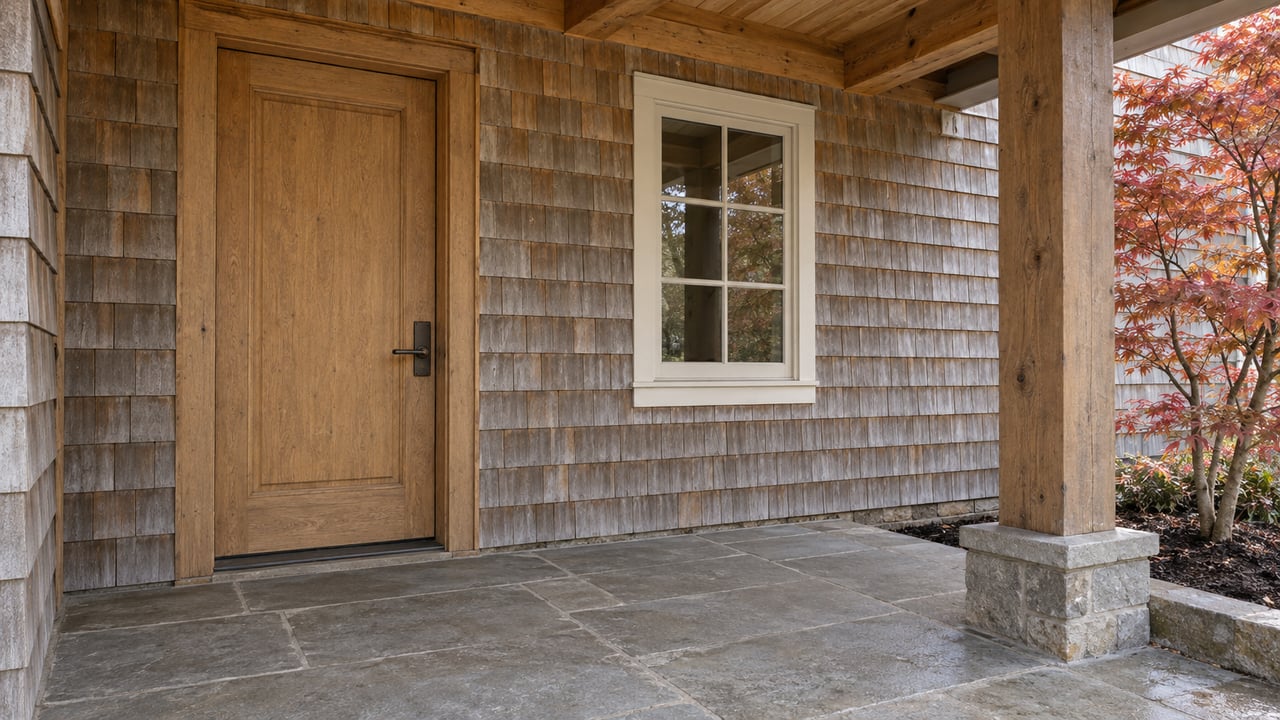
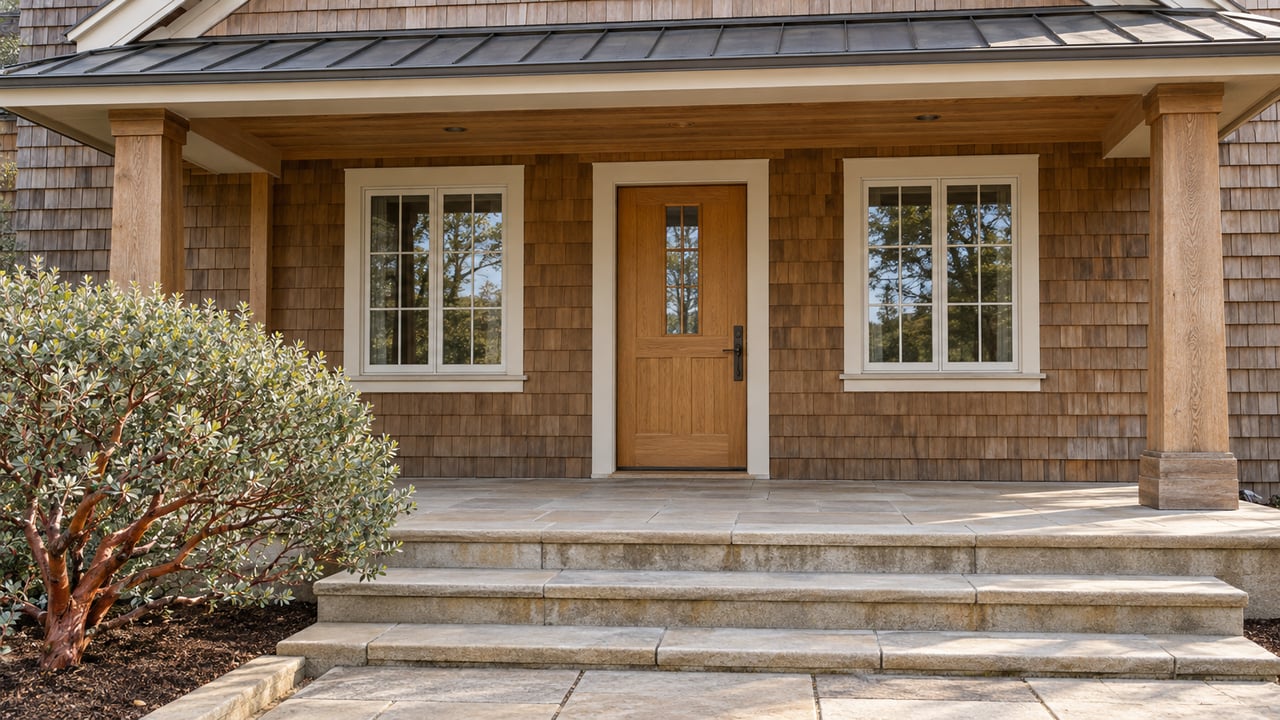
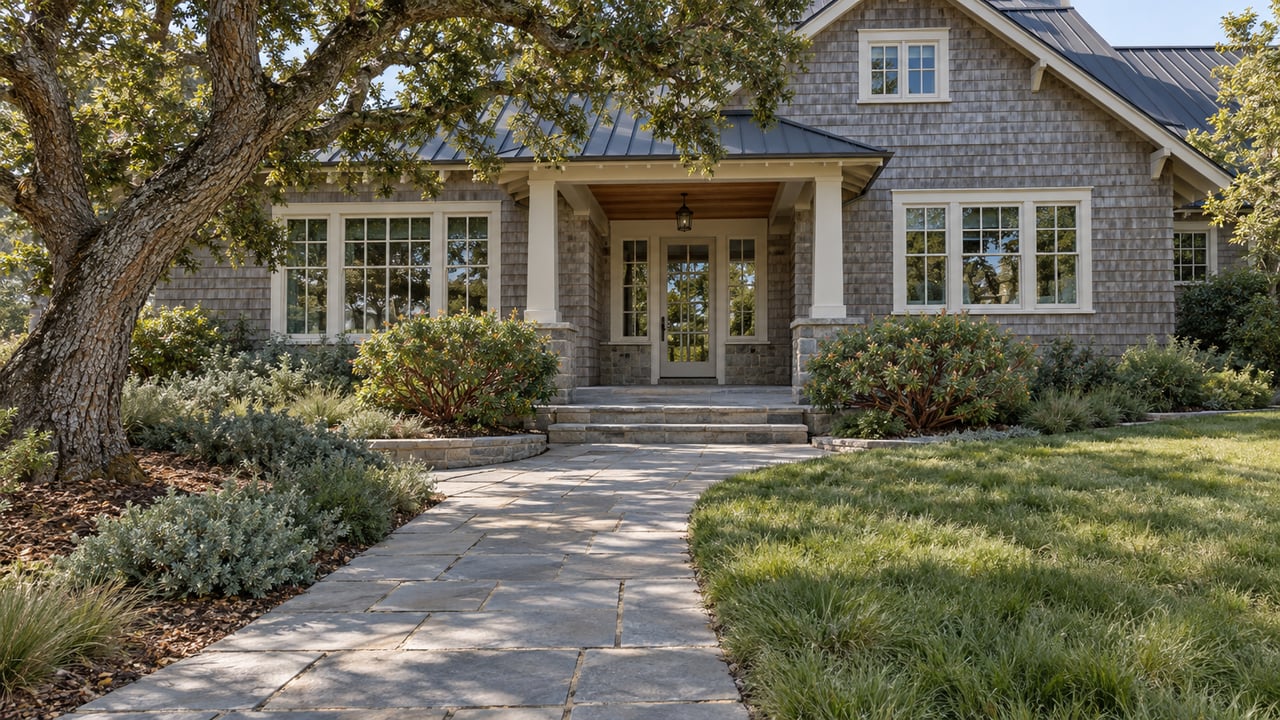
First impressions drive showings and offers in Larkspur’s charming neighborhoods. Start with professional exterior paint, a refreshed or repainted front door, clean roof and gutters, and updated exterior lighting. Power washing, pruning, and simple hardscaping go a long way. Low‑maintenance, drought‑tolerant landscaping with a defined path, fresh mulch, and subtle lighting elevates the entry. Permits are generally not required for paint and planting, but structural changes or retaining walls may need approvals.
If your home has historic character, choose colors and fixtures that complement its era. Some exterior changes can be restricted on designated properties. When in doubt, verify requirements with the City of Larkspur Planning Division before you make exterior alterations.
Kitchens that compete in Marin
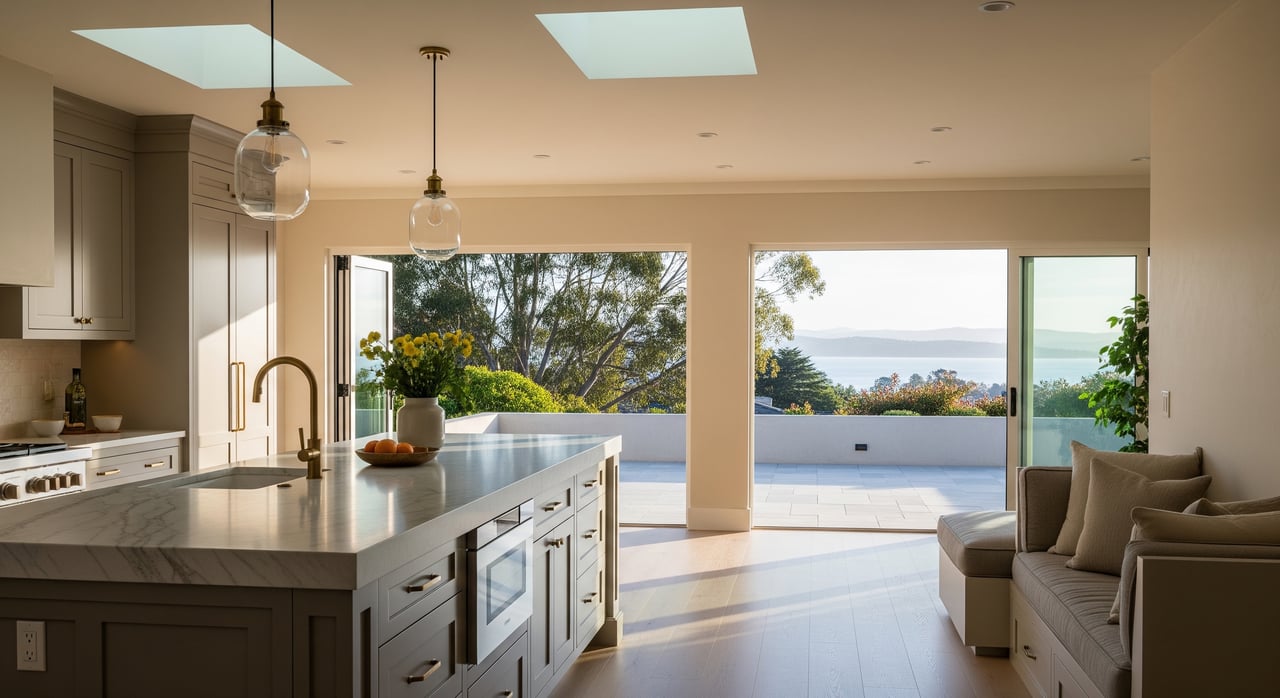
Kitchens are a major decision driver. A targeted refresh usually delivers strong appeal without the cost or risk of a full remodel. Focus on repainting or refinishing cabinets, replacing hardware, installing a modern faucet, updating the backsplash, and adding a durable countertop like quartz. Improve lighting and consider upgrading aging appliances to efficient stainless models.
Full gut remodels take longer, require permits, and add complexity. For most sellers, a midrange refresh strikes the right balance of cost control and buyer impact. In historic homes, keep period‑appropriate details while delivering modern function.
Bathrooms that feel current
Buyers notice bathrooms. A deep clean and regrout, new vanity and fixtures, fresh mirrors and lighting, and better ventilation can modernize the space quickly. In mid to upper price tiers, a tub‑to‑shower conversion in the primary suite or refreshed tile can be worthwhile if it aligns with local comps. Plumbing and electrical changes typically require permits, so plan lead time accordingly.
Paint, floors, and lighting
Neutral interior paint unifies spaces and photographs beautifully. Repair drywall and trim to signal good care. Refinish hardwoods where possible and replace worn carpet in secondary spaces. Quality lighting makes a home feel newer. Layer ambient, task, and accent fixtures, and consider LED for efficiency and brightness.
These updates are high impact relative to cost. They improve perceived value and support stronger offer momentum.
Fix critical systems and maintenance
Visible issues can deter buyers or lead to steep repair credits during negotiations. Address roof condition, aging plumbing or electrical, foundation concerns, sewer connections, and HVAC performance. In hillside areas, drainage and retaining walls deserve attention. Many buyers also appreciate wildfire‑risk mitigation measures. Repairs here may not increase price dollar for dollar, but they reduce risk of delays or escrow fallout. Document work and keep permits and inspection records to share with buyers.
Energy and sustainability features
Many Marin buyers value efficient, future‑ready homes. Consider heat‑pump heating and cooling, a heat‑pump water heater, EV charging infrastructure, and improved insulation. Solar can be attractive when owned, though value depends on system age and buyer priorities. Electrical or structural work usually requires permits, so build in time for approvals.
Staging and photography
Staging and high‑quality visuals are among the most cost‑effective ways to improve outcomes. Physical staging helps buyers experience scale and flow, and top‑tier photography and video showcase outdoor living and views. Twilight exteriors and selective drone imagery can be powerful for properties with unique settings. These steps often reduce time on market and strengthen offers.
A simple prioritization plan
Use this framework to choose projects that match your price band and buyer profile:
Step 1: Define buyer and price band
Review 3 to 5 comparable sales in your neighborhood and target range. Identify which finishes and features those homes had. Decide whether your likely buyer values historic detail, modern finishes, outdoor space, views, or systems upgrades.
Step 2: Triage quick wins first
- Address safety items and obvious deferred maintenance.
- Improve curb appeal and complete interior cosmetic fixes.
- Invest in staging and professional photography.
These steps are cost‑efficient and deliver outsized impact.
Step 3: Add midrange upgrades where needed
- Refresh the kitchen if it lags behind comps.
- Update the primary bath if dated or functionally limited.
- Consider energy or systems upgrades if buyers in your micro‑market consistently pay for them.
Ask: Will this project allow competitive pricing versus comps, or simply bring you to parity? How do your time and budget constraints factor in?
Step 4: Avoid over‑investment
Major structural remodels and additions can be right for long‑term owners, but they often do not fully recoup in a single sale. Use regional Cost vs Value benchmarks and local comps to calibrate scope and finish level.
Financial check
Estimate each project’s cost, the expected price lift, and your net after typical selling costs. If a targeted spend could push you into a higher price band, it may be justified. If not, focus on lower‑cost, high‑impact items.
Permits, historic review, and timing
Structural, electrical, plumbing, and major HVAC work typically require permits through the City of Larkspur or Marin County, depending on location. Cosmetic work like paint and flooring usually does not. If your property has historic significance, confirm any design or exterior review before changing façades, windows, or defining features.
Plan timelines based on scope:
- Cosmetic updates: about 1 to 3 weeks.
- Kitchen refresh without structural changes: roughly 2 to 6 weeks, depending on lead times.
- Full remodels: 2 to 6 months or more.
- Staging and photography: schedule 1 to 2 weeks before listing.
Choosing and managing contractors
Select local contractors who know Marin permitting and, for older homes, historic considerations. Verify licensing, insurance, and references. For larger scopes, get multiple bids and a clear written plan with schedule and milestones. Strong oversight keeps your timeline predictable and reduces surprises.
Concierge project management
A concierge model can simplify pre‑sale prep. Your brokerage or a third‑party service coordinates improvements and can front approved costs that are repaid at closing or through a defined fee. Benefits include lower upfront cash outlay, faster path to market, and professional coordination of vendors, staging, and photography. Compare net proceeds and confirm terms, including how vendors are selected and what warranties apply, before enrolling.
With Sharon, you can access a curated vendor ecosystem and a renovation‑to‑market workflow supported by Compass Concierge. That means expert guidance on scope, finish choices that resonate with Marin buyers, and project management designed to maximize results with less stress.
Sample game plans for Larkspur homes
Victorian near Magnolia Avenue
- Exterior paint in a period‑appropriate palette. Repair porch or steps and restore trim details.
- Kitchen refresh that preserves character: refinish cabinetry, install modern counters, and select hardware that suits the era.
- Refinish hardwoods, neutralize wall colors, and stage to highlight moldings and flow.
- Update bathroom fixtures and lighting, keeping original elements where they add charm.
- Confirm any historic guidelines before altering windows or exterior elements.
Mid‑century Greenbrae home
- Elevate outdoor living with landscaping that frames lines of sight. Replace dated fencing and tidy low walls.
- Refresh the kitchen with modern counters, appliances, and lighting. Remove dated finishes.
- Improve indoor‑outdoor flow with well‑maintained sliders or deck updates if feasible and permitted.
- Add energy features like EV charging or a heat‑pump system if the neighborhood buyer set values sustainability.
Getting started
Use this quick checklist before you hire contractors or enroll in a concierge program:
- Get three comp‑based opinions on buyer expectations in your price band.
- Consider a pre‑list inspection to spot issues that could derail escrow.
- Prioritize curb appeal, paint, staging, and critical repairs.
- If you consider larger projects, compare total costs to projected net proceeds.
- Confirm permitting and any historic review before committing to exterior or structural changes.
- If using concierge, get terms in writing, including scope, vendors, repayment, timelines, and warranties.
Ready to map your highest‑ROI path to market and keep the process seamless? Reach out to Sharon Kramlich for a tailored plan and a Complimentary Home Evaluation.
FAQs
Which pre‑sale updates deliver the best ROI in Larkspur?
- Focus on curb appeal, interior paint, flooring refreshes, lighting upgrades, targeted kitchen and bath refreshes, staging, and professional photography.
Do I need permits for exterior paint or landscaping in Larkspur?
- Paint and basic planting usually do not require permits, but structural work, retaining walls, or significant grading may. Confirm with the City of Larkspur for your property.
Should I fully remodel my kitchen before selling?
- Often no. A midrange refresh of cabinets, counters, lighting, and appliances typically offers strong buyer appeal with less cost and risk than a full gut remodel.
How long do common pre‑listing updates take?
- Cosmetic updates often take 1 to 3 weeks, kitchen refreshes 2 to 6 weeks, and full remodels several months. Build in time for permits and inspections when needed.
What is a seller concierge program and how is it repaid?
- It is a service that coordinates and can front approved improvement costs pre‑sale, with repayment at closing or through a defined fee. Review terms, scope, and vendor selection before enrolling.
How do energy upgrades affect my sale in Marin?
- Many buyers value efficient systems like heat pumps, EV charging, and insulation. Value depends on your micro‑market and whether the upgrades align with buyer priorities.