What if your daily commute started with coffee on a pier and a 30‑minute ferry ride across the Bay? In Tiburon, that kind of morning is normal. You get small‑town calm, water views, and easy access to San Francisco when you need it. In this guide, you’ll learn how life here really works, from the ferry and Main Street dining to parks, schools, and home options. Let’s dive in.
Life at a glance
- Population sits under 10,000. The 2020 Census counted 9,146 residents, and the 2024 estimate was 8,933, underscoring Tiburon’s village scale. You feel it the minute you walk downtown. Source: U.S. Census QuickFacts
- Household incomes trend high and the median age is elevated relative to many Bay Area towns, which helps explain the quiet, residential pace. Source: Census Reporter profile
- Housing is diverse but leans upscale, from waterfront estates to view homes and low‑rise condos. Market medians vary based on how you draw the map and the month.
Downtown and dining
Tiburon’s Main Street and Ark Row bring a classic, walkable feel. You can stroll from the ferry to waterfront patios, cafés, and small boutiques in minutes. Local calendars often feature open‑street evenings and seasonal events along this stretch. For a sense of the scene and venues, browse the visitor highlights on Destination Tiburon.
A few notes locals will share:
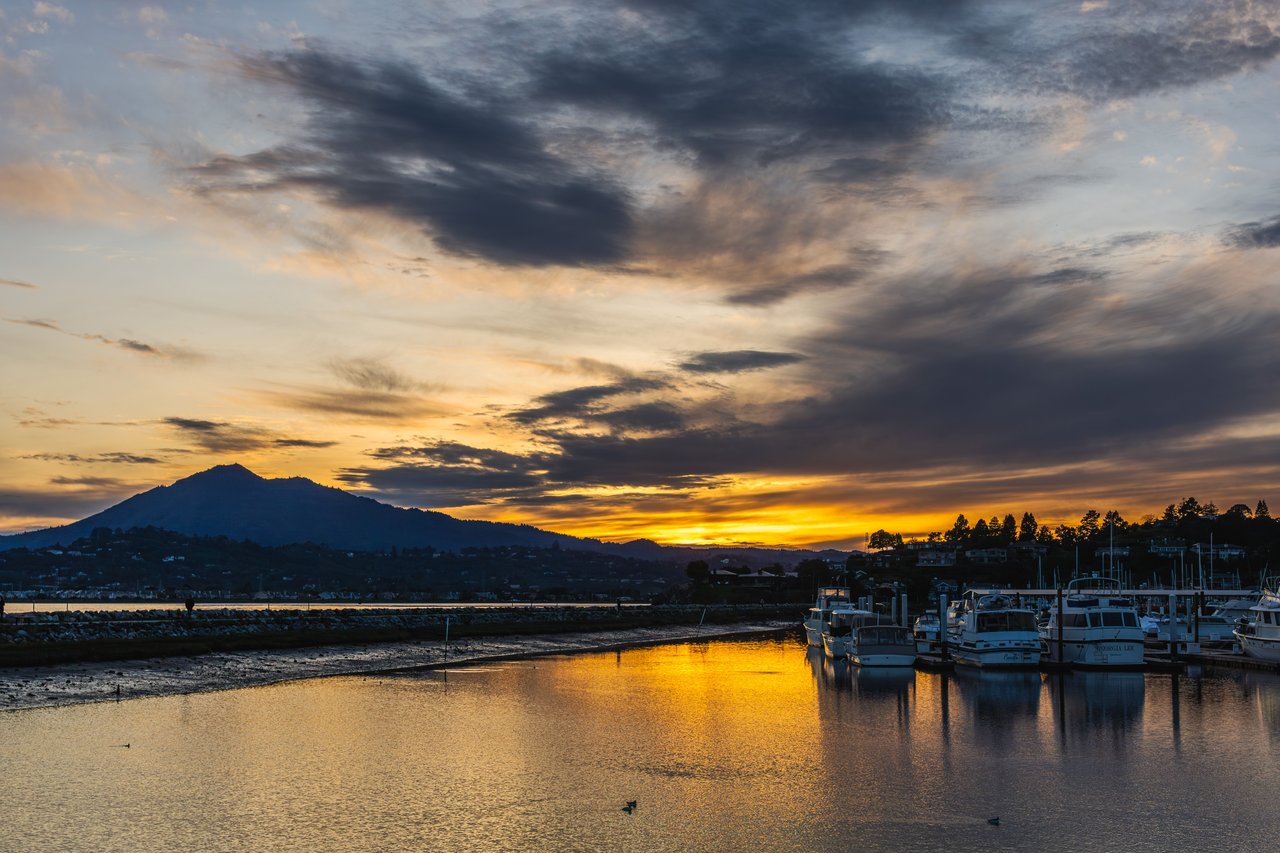
- Weekend energy builds on sunny days when patios fill and boats glide through Raccoon Strait.
- Weeknights stay relaxed, which pairs well with a low‑key family routine.
- Parking is generally straightforward, though ferry peak times can tighten supply.
Commuting: ferry or car
For many professionals, the ferry is the preferred link to San Francisco. Golden Gate Ferry schedules show Tiburon to SF crossings at about 30 minutes on typical weekday runs. Check the operator for current times and seasonal adjustments on the Golden Gate Ferry updates page.
Driving connects through US‑101 to the Golden Gate Bridge. By car, plan for highly variable times that range from roughly 25 minutes in light traffic to 60 minutes or more at peak. Many residents mix modes, taking the ferry to the office and the car for off‑hours meetings or airport trips.
Local transit fills the last‑mile gaps. Marin Transit and Golden Gate Transit operate neighborhood links and school‑oriented routes that help with after‑school logistics.
Outdoor lifestyle
If you love the outdoors, Tiburon is an easy fit. You get shoreline paths, bluff‑top trails, and quick ferry rides to a state park island.
- Ring Mountain Open Space Preserve. Known for rare wildflowers and serpentine soils, this ridge serves up sweeping views and a strong spring bloom. Learn why it is so unique in this Bay Nature feature on Ring Mountain.
- Old St. Hilary’s Open Space. Short trails with big Bay views and a historic white‑clapboard church on the National Register anchor this compact preserve. Read a concise background on Old St. Hilary’s Church.
- Paradise Beach Park. Roughly 19 acres of shoreline parkland with picnic areas and pier access, popular for family gatherings and casual days by the water. A Marin shoreline report offers added context on park scale and coastal management at this county document.
- Angel Island day trips. Hop the local ferry for hiking loops and history, then be back in time for dinner on Main Street.
Sailing and boating are part of daily life. The area’s yacht clubs host races and social events that bring the community together, with deep roots chronicled by the San Francisco Yacht Club.
Neighborhoods and home styles
The Tiburon Peninsula offers a compact set of distinct settings:
- Downtown and Point Tiburon. Close to the ferry and Main Street, you find cottages, boutique condos, and converted historic buildings that favor walkability.
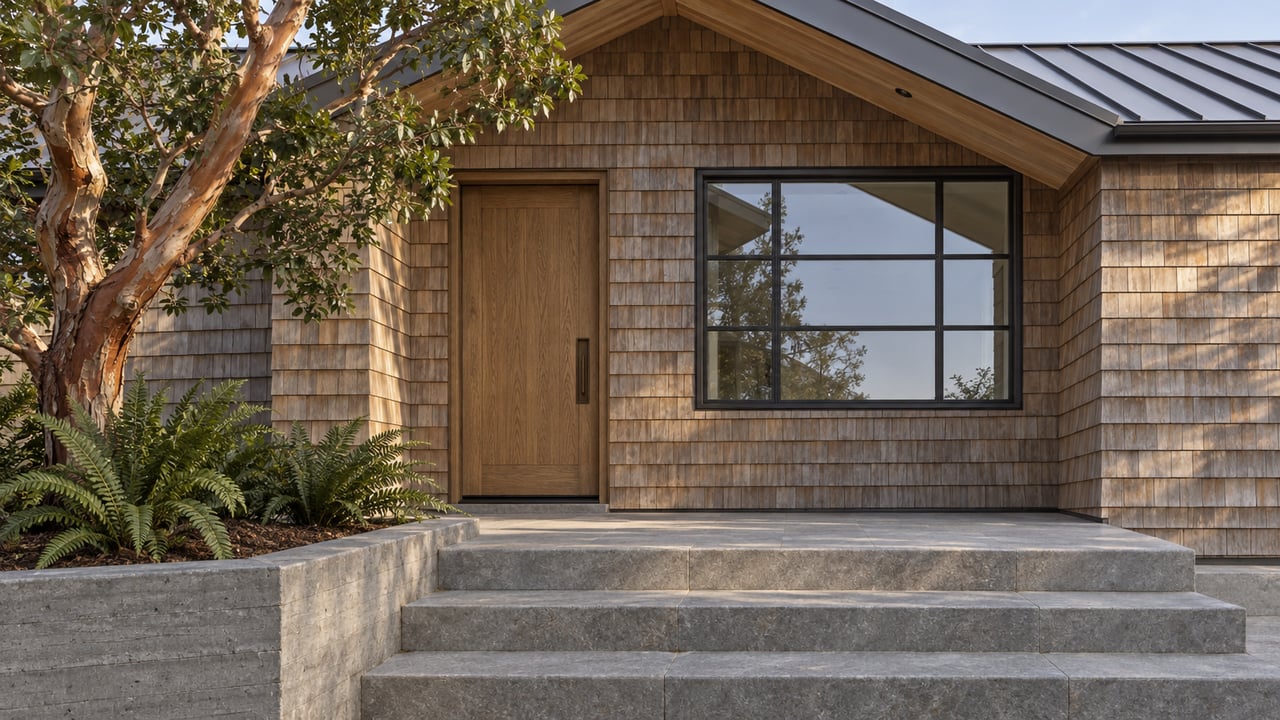
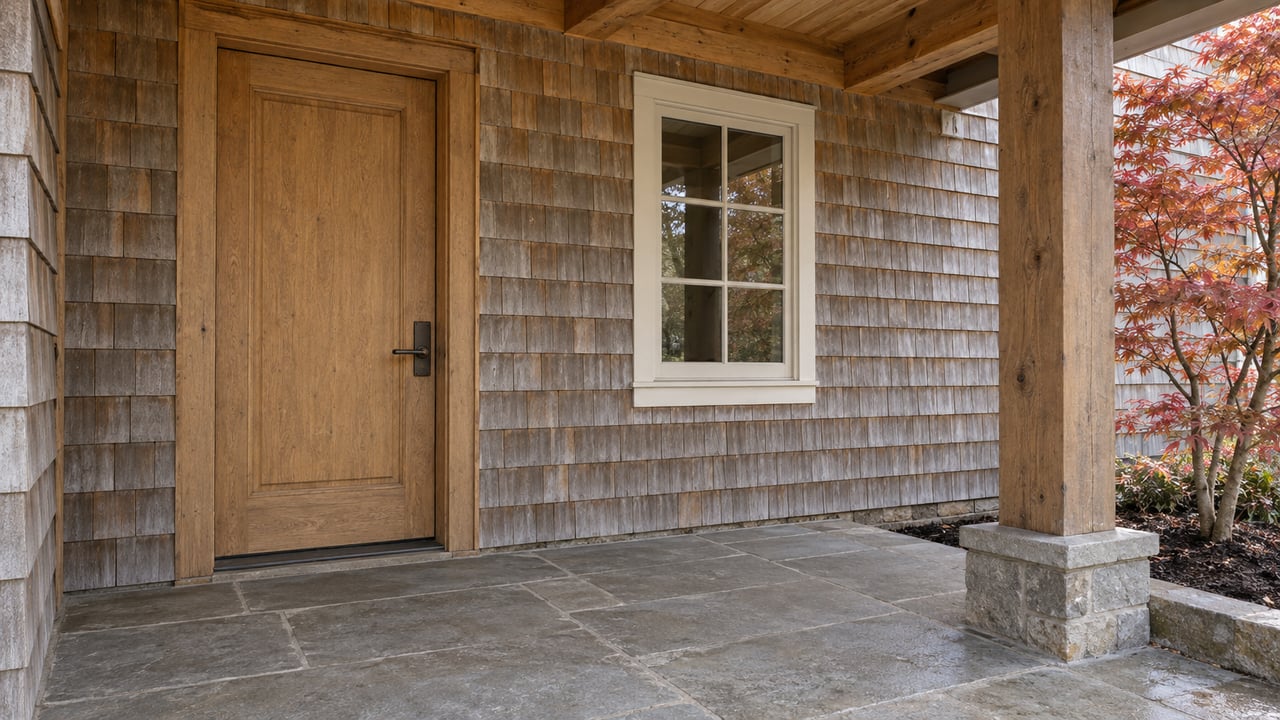
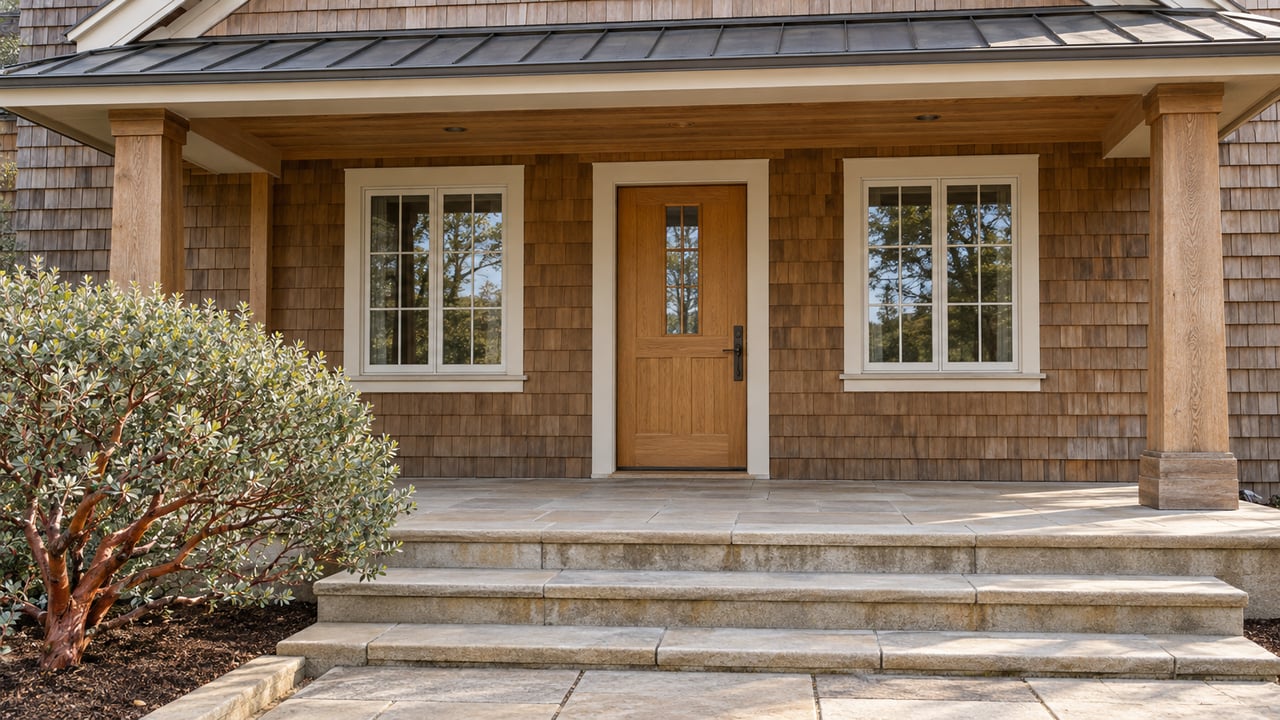
- Hillside and ridge pockets. Multi‑level homes step up the slopes to capture Bay and city views. Styles range from shingle and mid‑century to striking contemporary builds.
- Paradise Cay and waterfront enclaves. Single‑family homes fronting canals or near marinas, many with water access that suits avid boaters.
The peninsula’s three‑sided waterfront geography drives the hillside pattern. Lot shapes and elevations vary more than in flatland suburbs, which also influences architectural design and outdoor spaces.
Schools and family logistics
Public school pathways are straightforward. The Reed Union School District operates the local elementary and middle schools, including Reed, Bel Aire, and Del Mar. For specific addresses and enrollment, contact the district directly through the Reed Union School District page.
High school students typically attend campuses in the Tamalpais Union High School District, with Redwood High a common destination. Families often use district tools to confirm attendance zones and look at transportation options through Marin Transit’s school services.
For healthcare and specialty care, most residents look to central Marin. Full‑service hospital and specialist facilities are in Greenbrae and San Rafael, which keeps drive times manageable for routine appointments.
Housing and price tiers
Prices change month to month due to the small number of sales and the influence of high‑end closings. It is smart to think in tiers rather than a single figure:
- Tier A: Ultra‑prime waterfront and Belvedere estates. These properties can reach into the eight figures when the right view, water frontage, and design come together.
- Tier B: Hillside view homes and renovated single‑family residences. These span much of the mid to upper price range on the peninsula.
- Tier C: Condominiums, townhomes, and select Paradise Cay homes. These are often at the lower end of the Tiburon spectrum, though still high compared with many Bay Area markets.
For recent snapshots, data for the combined Belvedere–Tiburon area reported a median around 4.37 million in December 2025, while Tiburon‑only trackers during 2024 and 2025 often showed medians roughly in the 2.5 to 3.5 million range. Figures differ by boundary and date, and a single large sale can swing the median. Local coverage also notes the peninsula’s frequent appearance among Marin’s top sales, as reported by The Ark newspaper.
If you are scoping your budget or sale price, verify the latest numbers with current MLS data and a local agent who tracks micro‑market shifts in real time.
Community vibe and events
Life is calm during the week and lively when the sun comes out. Summer brings outdoor concerts, art events, and waterfront gatherings. Seasonal evenings like Friday Nights on Main turn downtown into a walk‑only corridor with dining and live music. Visitor groups maintain roundups of venues and happenings, such as these event‑oriented highlights.
Boating culture is a social connector here. Regattas, junior sailing programs, and member events keep the calendar full and help newcomers plug into the community.
Practical considerations
- Inventory is limited. The peninsula is small and many homes are long‑held, so attractive listings can move quickly. Off‑market conversations are common at the upper end.
- Commute planning matters. Ferry schedules shift by season, and car times vary widely. Check live updates and consider a hybrid plan.
- Shoreline resilience is active. Regional agencies are coordinating long‑term sea‑level rise planning, a relevant factor for waterfront buyers. Read an overview of the region’s plan on KQED.
- Pricing optics can be noisy. With few monthly closings, medians can jump. Look at 6 to 12 month trends and segment by property type.
Is Tiburon a fit for you?
Choose Tiburon if you value water views, a simple ferry commute, and a small downtown you can actually walk. You get quick access to hiking, sailing, and parks, plus strong community ties anchored by schools and local events. Buyers who want design‑forward homes and a quieter daily rhythm tend to feel at home here.
If you are planning a move or considering selling, connect with a local expert who can help you read the micro‑market, surface off‑market options, and present your home beautifully for maximum value. Reach out to Sharon Kramlich for a thoughtful conversation about next steps.
FAQs
How long is the Tiburon to San Francisco ferry commute?
- Golden Gate Ferry schedules show crossings around 30 minutes on typical weekday runs, with seasonal adjustments posted by the operator.
What public schools serve Tiburon families?
- Reed Union School District operates Reed, Bel Aire, and Del Mar for K‑8, while high‑schoolers typically attend campuses in the Tamalpais Union High School District.
What are typical home prices in Tiburon?
- Recent sources show medians that vary by boundary and month, often in the multi‑million range, with small sample sizes causing swings at the high end.
Where do residents go for hospitals and specialty care?
- Most use central Marin facilities in Greenbrae and San Rafael for emergency and specialty services, which keeps appointments within a manageable drive.
What outdoor activities are popular in Tiburon?
- Hiking Ring Mountain, strolling Old St. Hilary’s, relaxing at Paradise Beach Park, and boating or sailing are part of everyday life.
Are there community events in downtown Tiburon?
- Yes, seasonal street evenings, waterfront concerts, and art events animate Main Street and Ark Row, especially in spring and summer.