You know the feeling when something is just right. It sits in your stomach, in your bones. Less a thought than a decision you've already made, arriving well before you have any words for it.
Here's the part buyers don't expect. I usually see it before they do.
I See It Before They Do
I see it before they do, and I'll say that plainly because it matters. I am good at reading people. I have been doing it in this business since 1993 and in this town since 1999, and I trust what I see in a room.
It isn't mysterious once you know what to watch for. Pace comes first. In a house that isn't right, people move briskly, ask logistical questions, and stay somewhere between polite and formal. In a house that is right, they slow down significantly. They take the time to put a hand on a countertop or a doorframe without deciding to. They double back to a room they've already seen. And the questions turn quieter and more particular, away from what the square footage is and toward whether their table would fit alongside that window.
That last one is the telltale sign that my buyer is imagining themselves in the home. Nobody measures a room they aren't already living in.
I'm telling you this because it's how I know the answer to the question this piece is actually about. Watching that moment arrive over and over teaches you what produces it. And it keeps coming back to the same short list.
Light Comes First, and on This Mountain It Address
Light comes first. On this mountain it address more than almost anywhere I have worked, because of how Mill Valley is laid out.
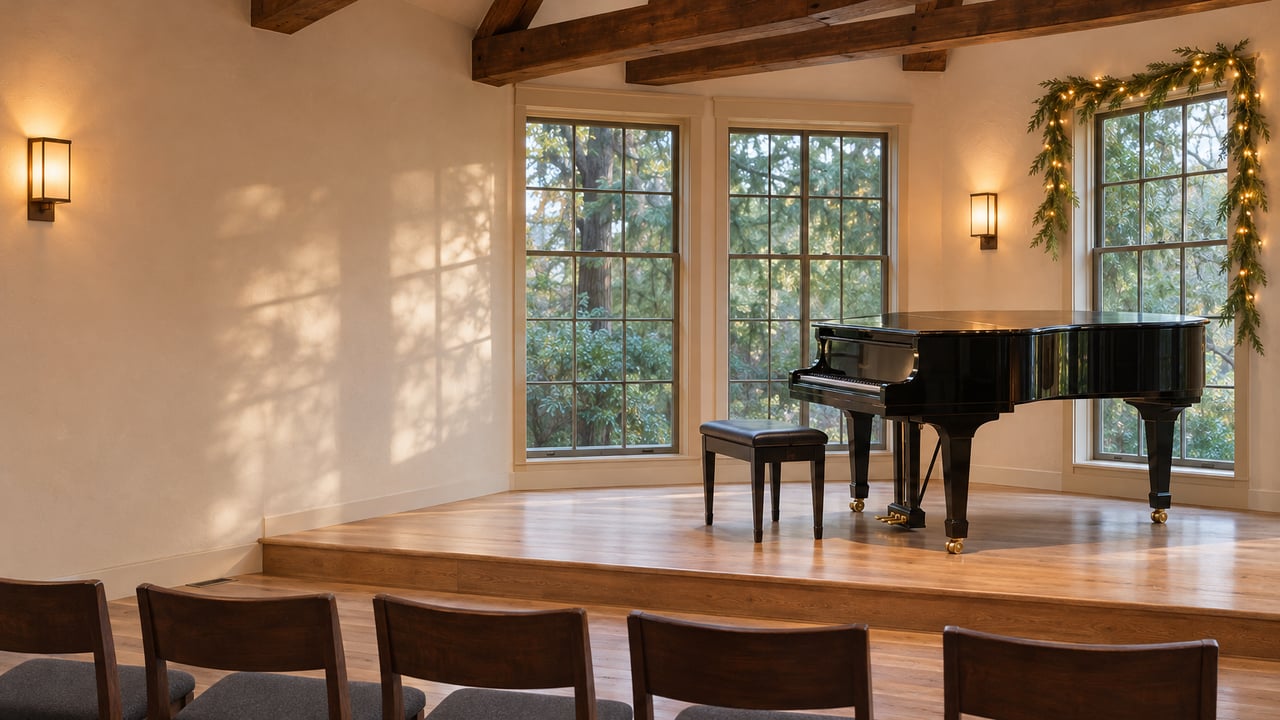
The ridges running off Mount Tamalpais get genuine sun exposure and expansive views, though not the same sun. Some slopes take western light that holds late into an afternoon. Others face east or south and do their best work in the morning, which suits an entirely different household. The canyons folded between those ridges get something else entirely: shade, redwoods, and a filtered green light that some people find magical and other people find dim by three o'clock in January. Middle Ridge and Blithedale Canyon are not having the same February. Under the redwoods on Cascade Drive it is different again.
Neither one is better. They suit different lives, and most buyers know which side they’re on before we’ve finished the first walk-through, though almost nobody puts it in those terms. A buyer coming out of a north-facing flat in the city will stand in a bright ridge room, may go quiet for a second, then start talking about where the table would go. A buyer who grew up under trees will feel at home two streets down, in the house with the canopy over it, and find the ridge room a little much. Light is doing the work in both cases. What I hear is “welcoming” or “a little exposed,” and part of representing someone well is knowing that’s what they’re describing.
The Floor Plan and Condition Do the Rest of the Work
The floor plan and condition do the rest of the work, and in a town built into and around hillsides, topography matters. A lot of our housing stock puts you into a house with a reverse floor plan. You come in and walk up, or come in and go down, to the kitchen. For some families that sequence feels like arrival. For others it feels like a house that is backwards.
You can see which one it is in how people respond. One family keeps going, opening doors, heading through the home without breaking stride. Another stops at the top of the flight, turns around, and starts asking about the stairs.
Sight lines do as much work as room count. What a buyer can see from the entry, and from the kitchen, and from wherever the family will actually spend its evenings, shapes how liveable and how calm a house feels regardless of square footage. A room that opens onto trees or a ridge is doing something a room facing a wall cannot do at any price.
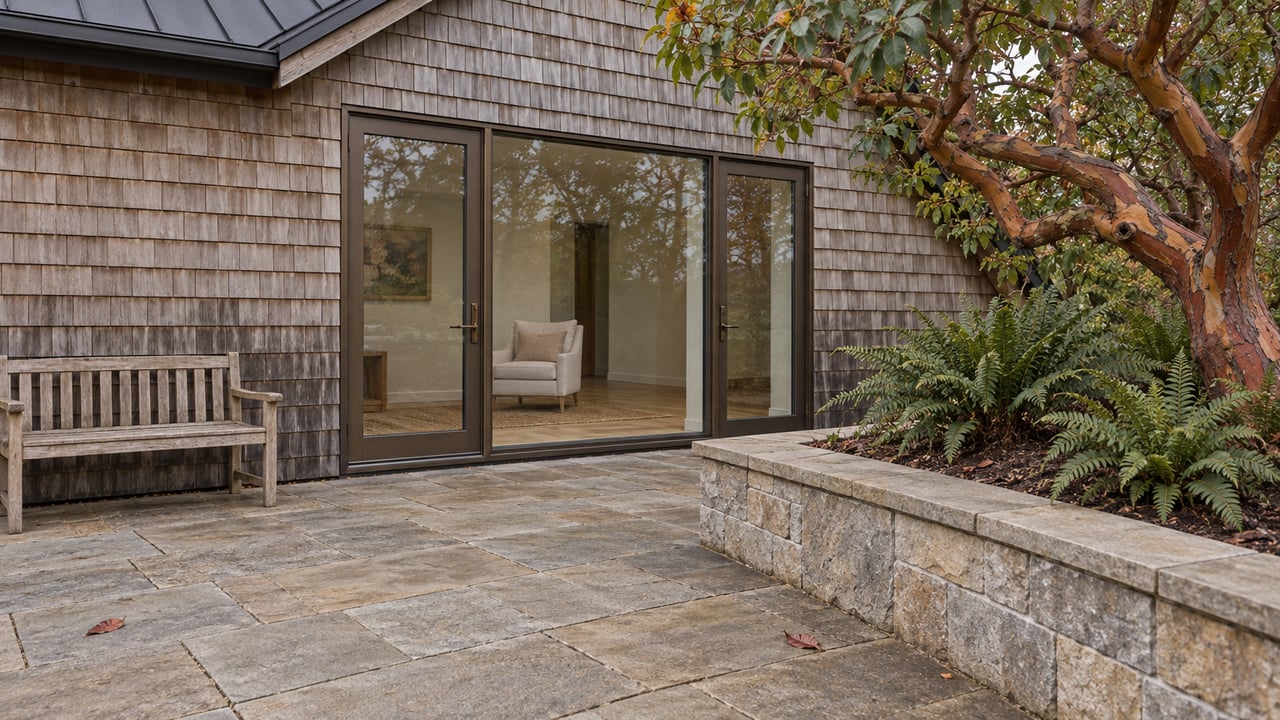
Then there's how the rooms connect. A kitchen that opens into a family room with doors onto a deck or garden is the shape of daily life for a family with young children. Homes that separate those rooms are harder to sell to that buyer profile, however well finished they are.
Condition finishes it. A buyer who sees the house working as it stands is free to imagine living in it. A buyer who is mentally pricing a roof is calculating instead, and that sense of rightness does not arrive while someone is working out what the repairs will cost. That's the whole argument for handling the substantial work before market rather than leaving it for a buyer to have to handle after close. It's also why the preparation I do puts a priority on the improvements and the inspections.
None of this is about square footage, and very little of it can be easily experienced and felt in a floor plan.
Some of This a Seller Can Change. Some of It They Cannot.
Some of this a seller can change, and some of it they cannot, and knowing which is which is most of what I'm doing on a first walkthrough.
The things that are fixed: exposure, the position of the house on the hill, whether you come in above or below the living space, the shape of the lot, and the trees, particularly here, where redwoods above a certain trunk diameter are protected as heritage trees and cannot be removed, which leaves windowing as the only option. No amount of money changes any of it.
The things that are genuinely changeable: condition, first and most importantly. Then the quality of the light inside a fixed exposure, through glass, paint, and editing the landscape rather than clearing it. Then how the rooms read, through what furniture goes where and what comes out of a room entirely. Then presentation, which decides whether the right buyer ever sees the house at all.
The mistake I see most often is a seller spending money trying to fix something that cannot be easily changed. Renovating hard to compensate for an exposure or a topography that was never going to be different, while the things they could genuinely improve sit half done. My job on that walkthrough is to sort the two, and to be honest about which side to focus on for the best ROI.
The Buyer Who Lights Up Is Not Always the Best Buyer
The buyer who lights up is not always the best buyer, and this is the part that usually goes unsaid. The reaction is real. I trust myself to spot it. It is still not necessarily the same thing as the strongest offer.
I have watched a buyer fall completely for a house and then find they cannot stretch to where the market takes it, or get talked down by a good friend or parent, or lose their nerve between the showing and the offer date. I have also watched someone move through a house showing no interest at all, ask three questions, and write the cleanest offer in the pile, because they had a clear understanding of what they were looking for and no need to ask much about it.
So the reaction can explain whree a house lands. It does not predict what happens next, and a seller who fixates on the couple who seemed most excited can get blindsided by their actual offer terms.
No Seller Can Manufacture This for Every Buyer
No seller can manufacture this for every buyer who walks through, and I would be misleading a client if I suggested otherwise. What works for one family is wrong for the next one. A reverse floor plan that suits one buyer perfectly is the reason another buyer would never be comfortable in the house, and a canyon setting that reads as private and beautiful to one couple reads as dark to the couple behind them. Preparation puts a house in the strongest position it can occupy for the buyers most likely to want it, which is a narrower and far more achievable goal.
Which is why I talk sellers out of renovating their way toward a reaction. Spending heavily to please an imagined buyer who will love everything is an efficient way to end up with a house that suits nobody in particular.
What Looks Like Instinct Is a Lot of Doors
What looks like instinct is a lot of doors, accumulated one showing at a time since 1993. There's no sixth sense involved. There's a long record of watching the same small things happen in the same rooms and learning what they turn into, and there's knowing this town well enough to say which houses produce that reaction, for which buyers, before either of us walks through the door.
What that's worth to a seller is specific. I can tell you which parts of your house will do the work, which parts are working against you, and which of those you can actually do something about before you go to market.
So walk it with me before you commit to any preparation. I'll tell you where the light is doing you a favor and where it isn't, how the floor plan is likely to read to the buyers you'll draw, and what I would leave completely alone. Reach me at [email protected].

Why do some homes feel right to a buyer immediately? In my experience it comes down to three things: light, the floor plan and its sight lines, and condition. Light is how a room actually feels at the hour someone is standing in it. The floor plan is whether moving through the house matches how that family really moves through a day. Sight lines shape how practical and how calm a house feels regardless of its size. Condition determines whether a buyer can picture living there now or is calculating repair costs instead.
Why does light vary so much between Mill Valley homes? Topography, and which way a slope faces. The ridges running off Mount Tamalpais get real sun exposure and expansive views, but not the same sun. Some take western light late in the day, others face east or south and are at their best in the morning. The canyons folded between them get shade, redwoods, and a filtered light that reads as magical to some buyers and dim to others. Two addresses a few minutes apart can have completely different afternoons, and the gap widens in winter.
What can a seller actually change, and what is fixed? Exposure, position on the hill, lot shape, whether you enter above or below the living space, and mature trees are all fixed. Condition is the most changeable and the most valuable. Interior light within a fixed exposure can be improved through glass, paint, and editing the landscape. How rooms read can be changed through what furniture stays and what comes out. Presentation determines whether the right buyer sees the house at all. Most wasted money is spent trying to fix something that cannot be easily changed.
Can a seller create that reaction on purpose? Not for everyone. Different buyers want genuinely different homes, so a house that lands immediately for one family will leave the next one cold. Preparation puts a house in the strongest position for the buyers most likely to want it, which is achievable and worth doing well.
Does staging make a home feel right? Staging helps a buyer read the scale and purpose of a room, which removes friction and helps considerably. It does not create the reaction on its own. A well-staged house with an entry sequence that doesn't suit the buyer is still a house with an entry sequence that doesn't suit the buyer.
What should a seller do about a reverse floor plan? Present it well and understand who it suits. Homes you enter above or below the living space work beautifully for some buyers and not at all for others. Renovating around the topography is usually expensive and rarely convincing.
Does an excited buyer mean a better offer? Not necessarily. The reaction and a buyer's ability to perform are separate things, and plenty of strong buyers show very little at a showing. Enthusiasm explains why a house landed. It doesn't predict which offer will hold together.
Is this just instinct, or can it be explained? It can be explained, and I think sellers deserve the explanation rather than being asked to trust a feeling. The buyer signals are consistent enough to name: pace, touch, doubling back to a room, and questions that move from square footage toward where the furniture goes. What sits underneath that is knowing this market street by street, which exposures do what in which season, and which floor plans suit which buyers here. That part comes from working in Mill Valley since 1999.