Introduction
They didn't interview anyone else. The sellers at 431 Wellesley had worked with me once before — twelve years earlier, I was on the other side of the table, representing the family who sold them this house. When it came time to sell, they picked up the phone. No listing presentation, no side-by-side comparison of three agents. They already knew they wanted to work with me — they'd been impressed with my presentation twelve years earlier and remembered it. They trusted me to handle this from the beginning to end, through every detail, every decision, every nut and bolt of the process.
The renovation, the pricing, the seven-day sale — all of it worked because they trusted the process before they'd seen a single before-and-after photo. That trust was the real asset here. The roof, the cabinets, the open house all mattered — but none of it moves without the trust that came first.
 The Sellers and the Real Challenge
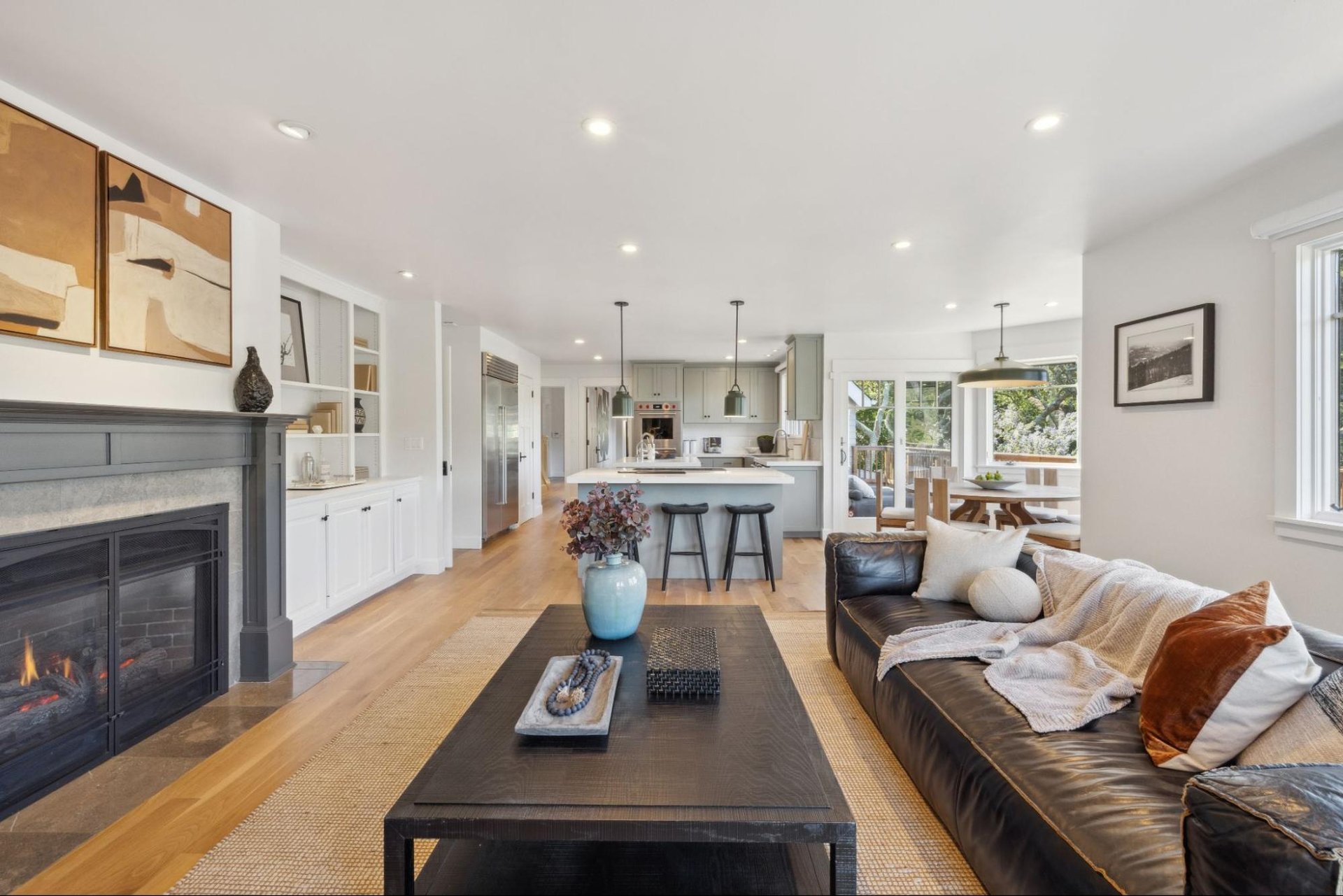
The real challenge at 431 Wellesley wasn't the home itself. It was deciding how much to spend preparing it, and on what specifically, without either underselling the property or pouring money into upgrades this street would never pay back.
In more than 30 years of doing this in Mill Valley, I've watched sellers make both mistakes. Some do the bare minimum and leave money on the table. Others gut-renovate a home that didn't need it and never recoup the cost. I've lived in this town since 1999, raised three kids through the Mill Valley public schools, and I have represented both buyers and sellers all throughout the town and I know which improvements this particular street and this particular buyer pool actually reward, and which ones just look good on a contractor's invoice.
Buyers don't walk through a home and think "deferred maintenance." They think "what else did they skip and how much is this going to cost me" and that hesitation is what kills interest and offers before they're ever written. My sellers' real challenge was closing that gap completely, so buyers never went down that rabbit hole.
 Building the Strategy
Building the strategy started in July, months before a single vendor set foot on the property. We met first to talk through the overall approach, then met again specifically to rank which improvements would actually move the sale price versus which ones would just feel good to check off a list.
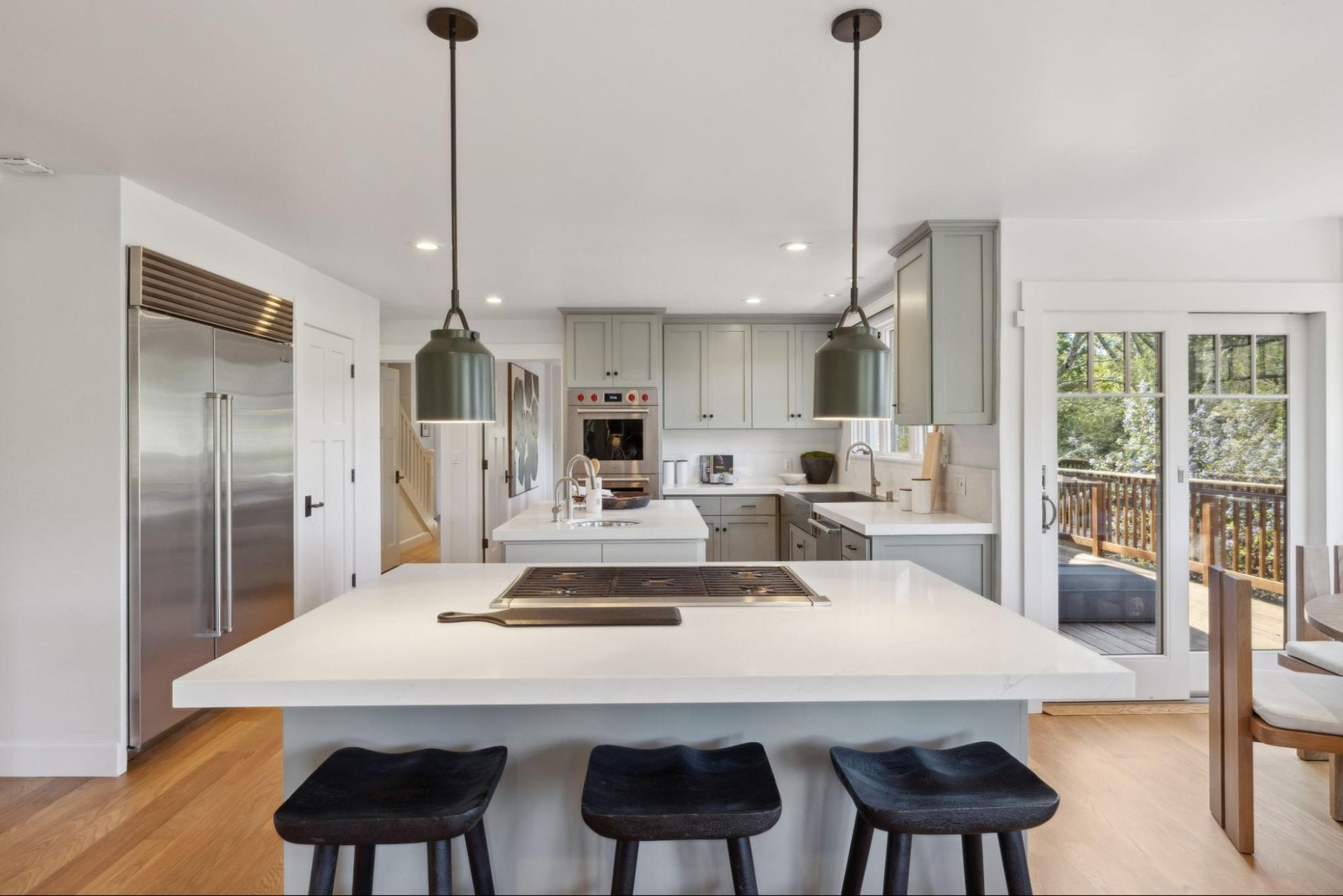
From there we brought in vendors for competitive bids before committing to any scope of work. Every dollar spent needed a clear purpose. That process is also where I said no to something the sellers initially wanted: a full primary bathroom remodel. It would have looked wonderful. It also would not have returned its cost on this street, where comparable sales don't reward a completed remodeled primary suite the way they reward a clean, functional one. We put that budget into the roof, the exterior paint and landscape, and the floors instead, the things every buyer notices whether they can name them or not.
Work began in late summer, timed so the sellers could actually live in their finished home for a few months before listing it the following spring. Too many sellers treat renovation as something to endure purely for resale value. Here, the timeline let the sellers enjoy the work they paid for, not just hand it to their buyer.
Once the work was done, we brought in inspectors for thorough inspections, which produced a clean and current disclosure package. A genuinely clean and transparent disclosure package impresses buyers and removes concern around expenses that they will incur down the road and lets buyers focus on what they love about the home and how they see themselves living there, instead.
 The Scope of Work
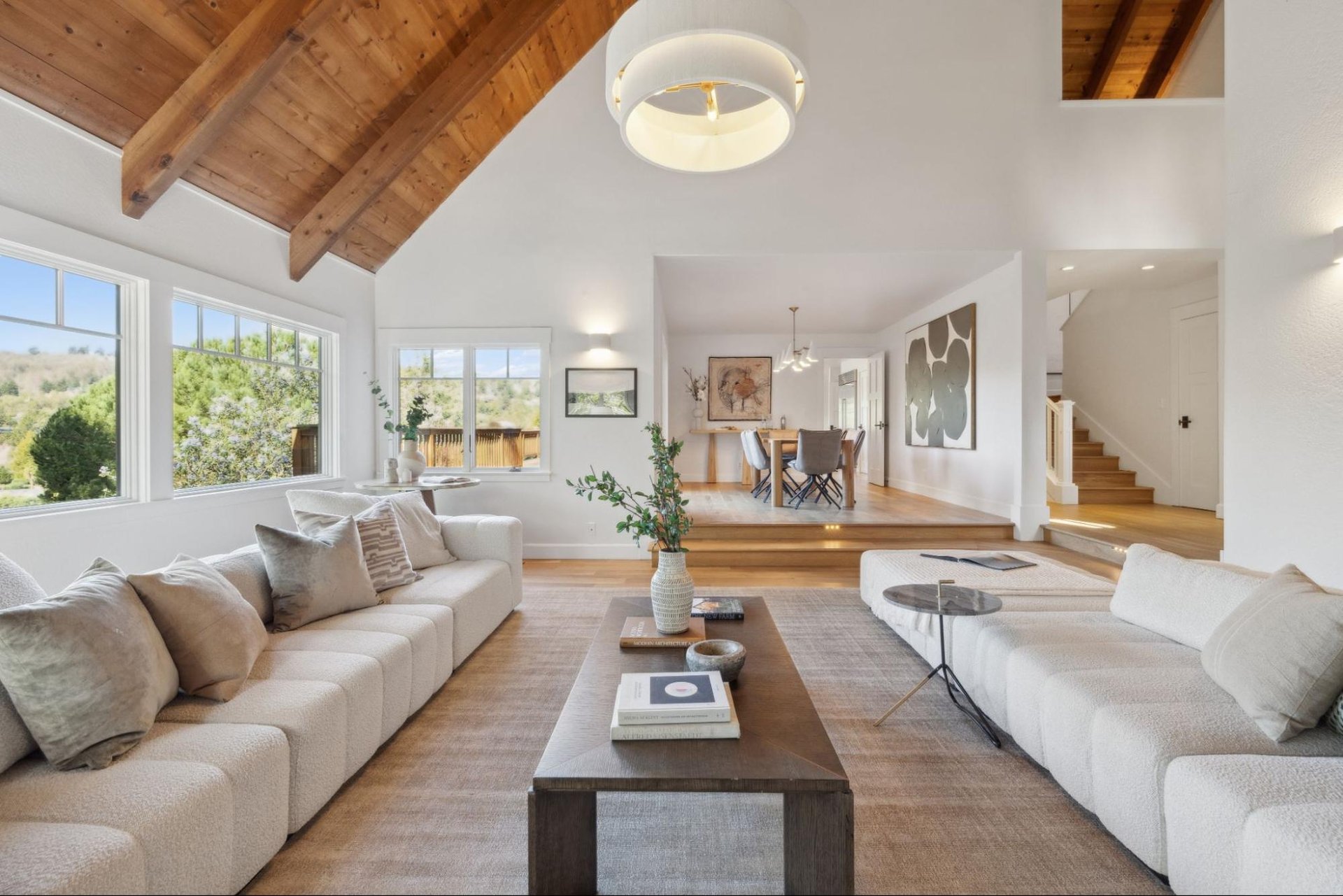
The scope touched nearly every part of the property, inside and out, room by room and surface by surface, so nothing felt like an afterthought once the home hit the market.
Exterior and Hardscape
Power washed the house and all hardscape
Replaced the roof
Painted the entire exterior
Replaced landscaping throughout the property
Cut trees back from the roofline
Painted the garage and garage floor
Sealed the driveway
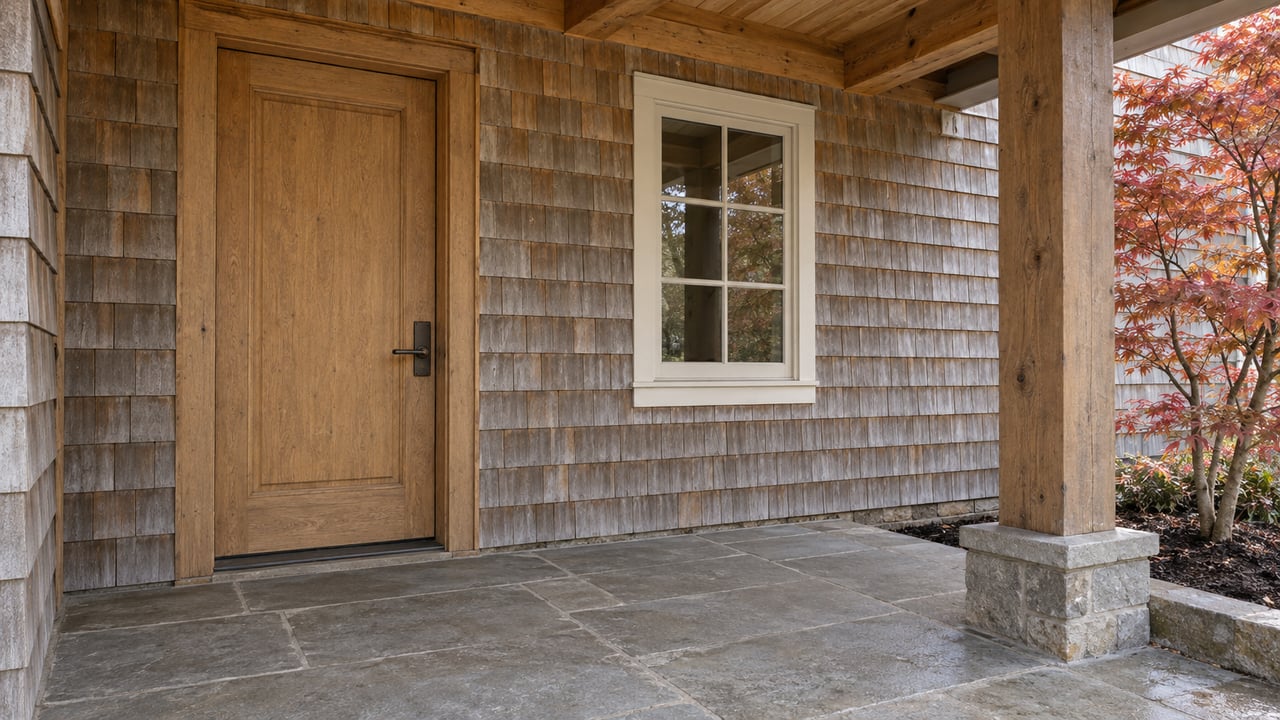
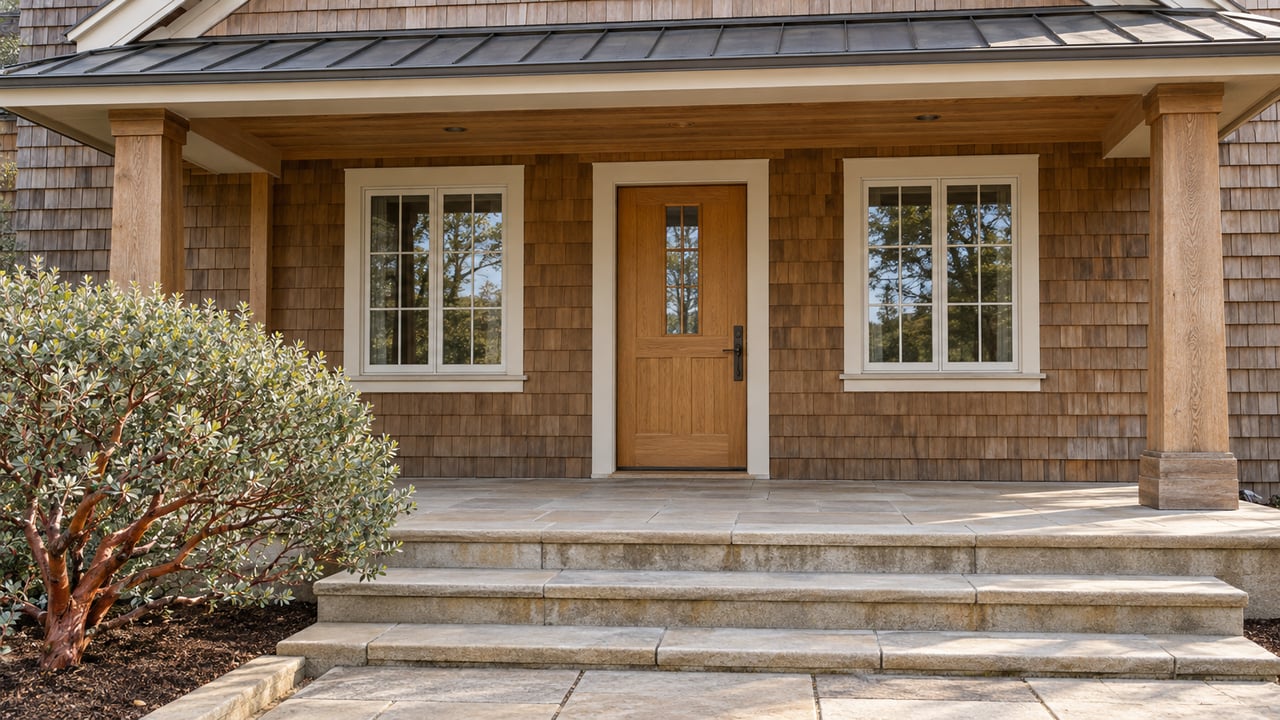
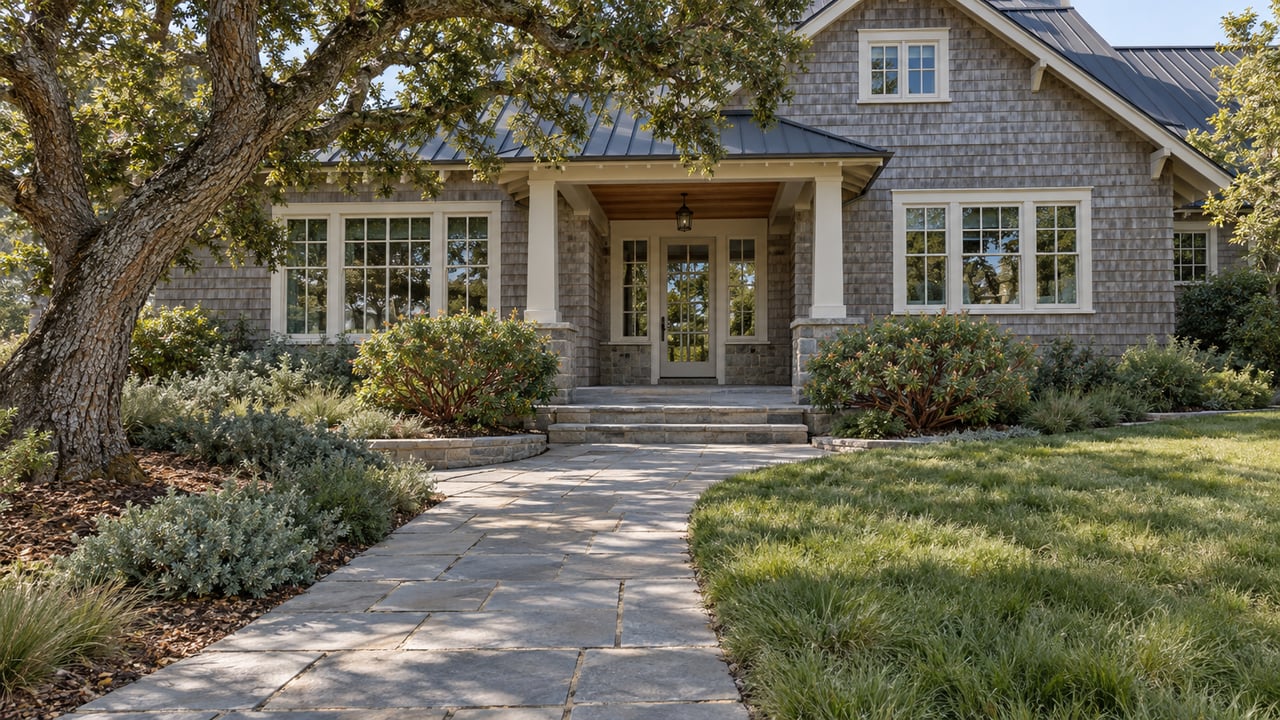
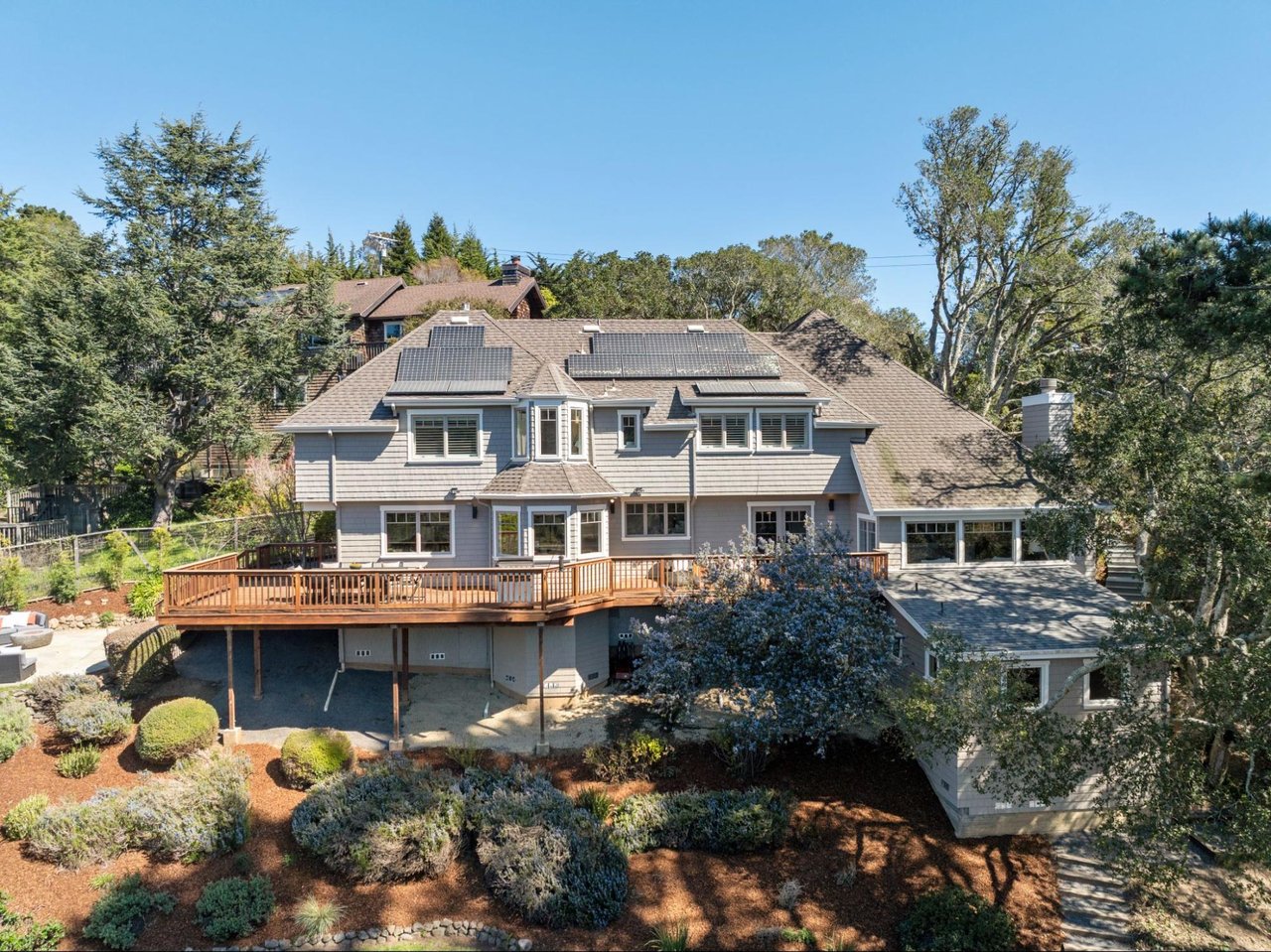
A new roof isn't glamorous, but it's exactly the kind of item that can quietly derail a sale during inspection if it's ignored. Getting ahead of it meant buyers never had to factor a roof replacement into their offer or their negotiating leverage. Paired with the full repaint, refreshed landscaping, and roofline tree trimming, the home's curb appeal went from dated to genuinely inviting, the kind of first impression that sets the tone before a buyer even reaches the front door.
Kitchen
New countertops
Painted all kitchen cabinets, with a complementary color chosen for the center island
Updated all cabinet pulls
The kitchen update is a small example of a bigger principle: modest, well-chosen changes, a fresh countertop, a smartly chosen accent color, updated hardware, can make a kitchen read as fully current without the cost or disruption of a gut renovation. Buyers rarely notice hardware consciously. They notice a kitchen that feels finished, and they can't always say why.
Interior Finishes
Refinished all hardwood floors throughout
Painted the stair bannister white
Updated lighting throughout the home
Updated bathroom cabinets and lighting
Refinished hardwood tends to have an outsized visual impact relative to its cost, because it sets the tone for every room it runs through. Updated lighting changes how a home feels the moment someone walks in, especially during evening showings, which is exactly when a lot of Mill Valley buyers do their second visit.
 Photography and Marketing
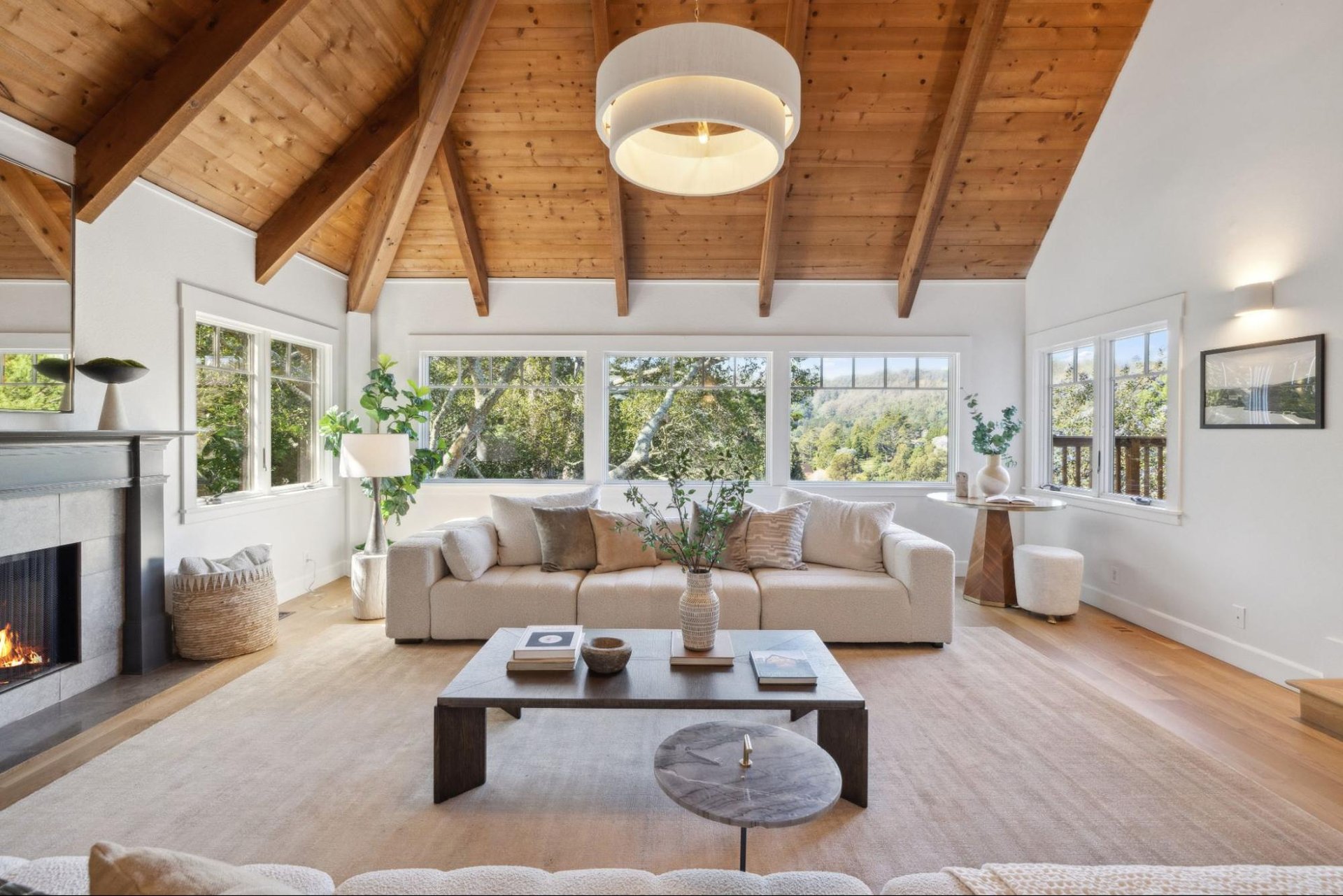
Photography was scheduled for early spring, once the landscaping had settled and the light was working in the home's favor rather than against it.
Most buyers decide whether a home is worth touring in the first few seconds of scrolling photos online, long before they read a single line of the home’s description. That's why photo selection and presentation matters as much as photo quality. We led with the exterior and the entrance and then walked through the home in a logical way that showed the living, dining and kitchen in the right flow, convincing a buyer to schedule a showing, and then let the clean and comprehensive disclosure package did the reassuring once they were already interested.
Timing and Pricing
Timing and pricing were we listed in early spring, capturing the best time frame when families are looking for a home to purchase before the beginning of the next school year. We chose a list price of $3,695,000, a number set deliberately under what we believed the home could ultimately bring, to create real competition among buyers rather than a single offer.
I'll say this plainly, because it's the part most agents won't: pricing under market is a strategy, but never a guarantee. I've seen this strategy used on homes where it produced exactly one offer, at exactly asking price, and nothing more. It depends on other available inventory, on the specific pool of buyers active that season, on a renovation The success of this strategy actually delivers on what the photos promise and on factors affecting the stock market and local economy etc. It is important that your agent deeply understands all of these factors at play, so that the best advice is given. It worked at 431 Wellesley because I understood the market and my sellers trusted me. It doesn't always. Any agent who tells you underpricing is a formula that works every time hasn't and has been paying enough attention to see it fail.
 The Result
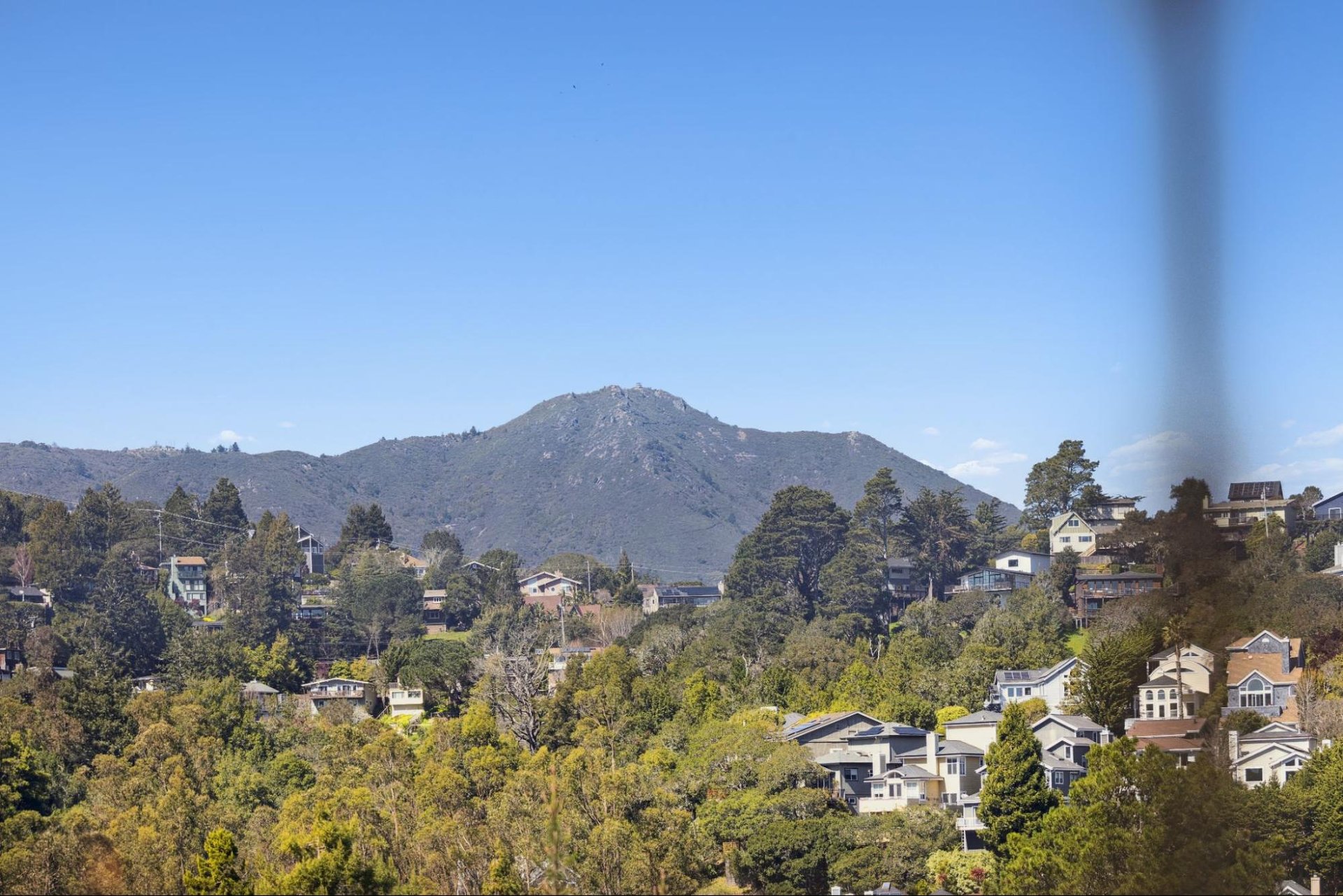
431 Wellesley Avenue sold for $4,000,000, 8.3% above its $3,695,000 asking price, with just 7 days from list to pending. That timeline reflects real, immediate demand driven by the presentation.
The sellers' decision to trust me and my process, timing the work around their own life, allowing me to choose improvements based on real return, saying no to the upgrades that wouldn't have paid off, and gathering inspections to create clean disclosures, timing the market to maximize exposure paid off in exactly the way strategic preparation is supposed to.
What This Case Study Shows Sellers in Mill Valley
431 Wellesley is proof that the strongest results often come from relationships built over time and decisions made without rushing. A few things worth taking from it if you're considering a sale here:
The renovation that pays off is the one that matches what your specific street and buyer pool actually reward, not the one that looks best on paper.
Saying no to an upgrade is sometimes worth more than saying yes to one.
A clean, current disclosure package does more to build buyer trust than almost anything else you can spend on.
Pricing strategy is a bet informed by real conditions, not a script that works the same way on every home.
If you're weighing a sale in Mill Valley, whether you've worked with an agent before or you're starting that relationship for the first time, the lesson is the same: preparation done honestly, and timed to your life instead of an arbitrary deadline, is what turns a good home into a fast, competitive sale.
What's Your Next Step
If you're thinking about renovating before you list, whether that's next spring or two years from now, I'll walk the home with you room by room and tell you plainly what's worth doing, what isn't, and what your specific street will actually pay back. That conversation costs you nothing and it's worth having early, before you spend a dollar on a contractor. Reach me directly at [email protected].
FAQs
Does it matter if I've worked with the same agent before, even on the other side of a transaction? It can matter a great deal. An agent who represented you or the other party in a past deal already understands the home, how you make decisions, and what you value, which tends to make the entire selling process smoother and more collaborative the second time around.
Should I renovate before selling my Mill Valley home, or sell as-is? It depends on the street and the specific improvements, not a blanket rule. Some upgrades return well over their cost in Mill Valley, and others don't move the sale price at all, which is why a room-by-room walkthrough before you commit to any scope of work matters more than a general renovation checklist.
Why time renovations around when I actually plan to move, instead of rushing to list? Rushing a renovation to list as fast as possible usually means cutting corners or making decisions under pressure. Timing the work so you can actually live in the finished home before selling tends to lead to better decisions and a more polished final result.
Is pricing a home under market value actually a good strategy in Mill Valley? It can work well when inventory and buyer demand support it, but it is not guaranteed. It has produced multiple competitive offers on some listings and a single offer at asking on others, so the decision should be based on current conditions on your specific street, not a formula applied to every home.
Why get a home re-inspected after renovations are complete? Up to date inspections after the work is done creates a clean, current disclosure package that builds buyer trust and reduces the chance of confusion, questions, or renegotiation during escrow.
How long does it typically take to sell a renovated home in Mill Valley? It varies by property and season, but a well-prepared, accurately priced home with clean disclosures can move from list to pending in as little as a week, as it did at 431 Wellesley, when the renovation, the timing, and the pricing are all aligned.
What should I look for in an agent before I put my Mill Valley home on the market? Look for someone who is in and understands the current market, will tell you honestly which upgrades are worth the money and which aren't, who has a track record of successfully working with sellers resulting in excellent reviews, who handles , who handles inspections and disclosures thoroughly enough to avoid surprises during escrow, and who has a track record specific to your neighborhood rather than generic market advice.