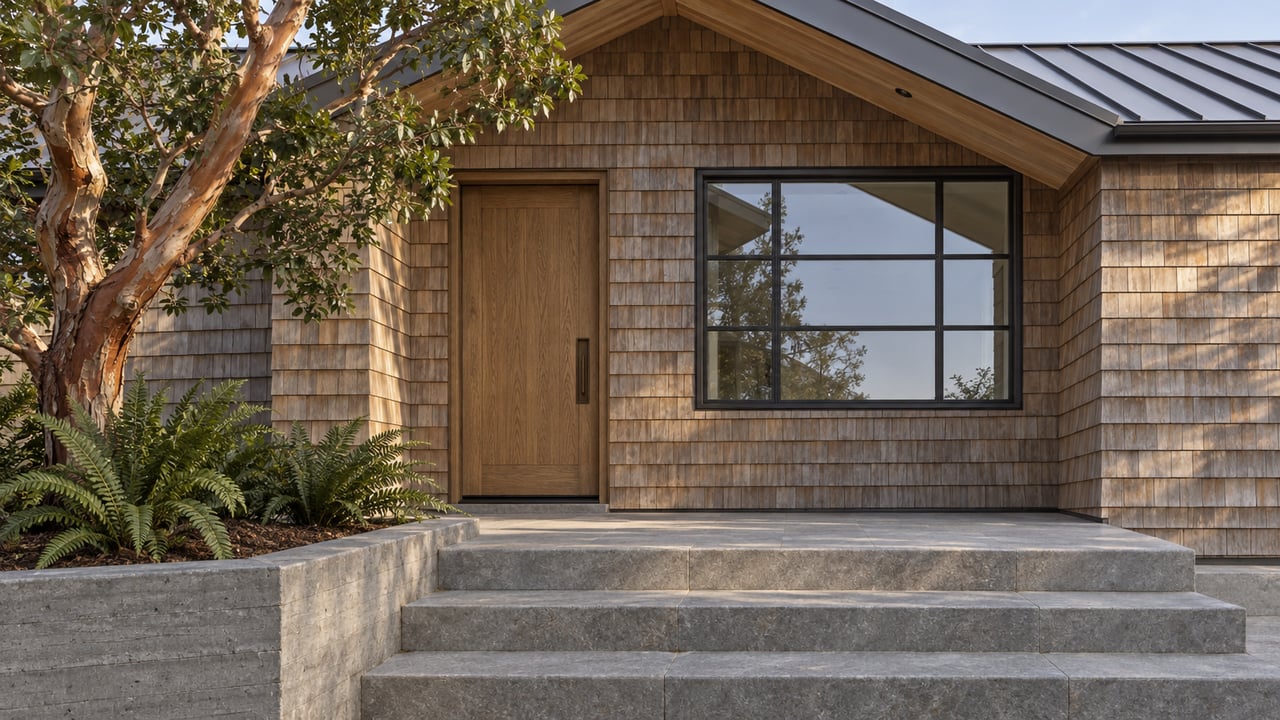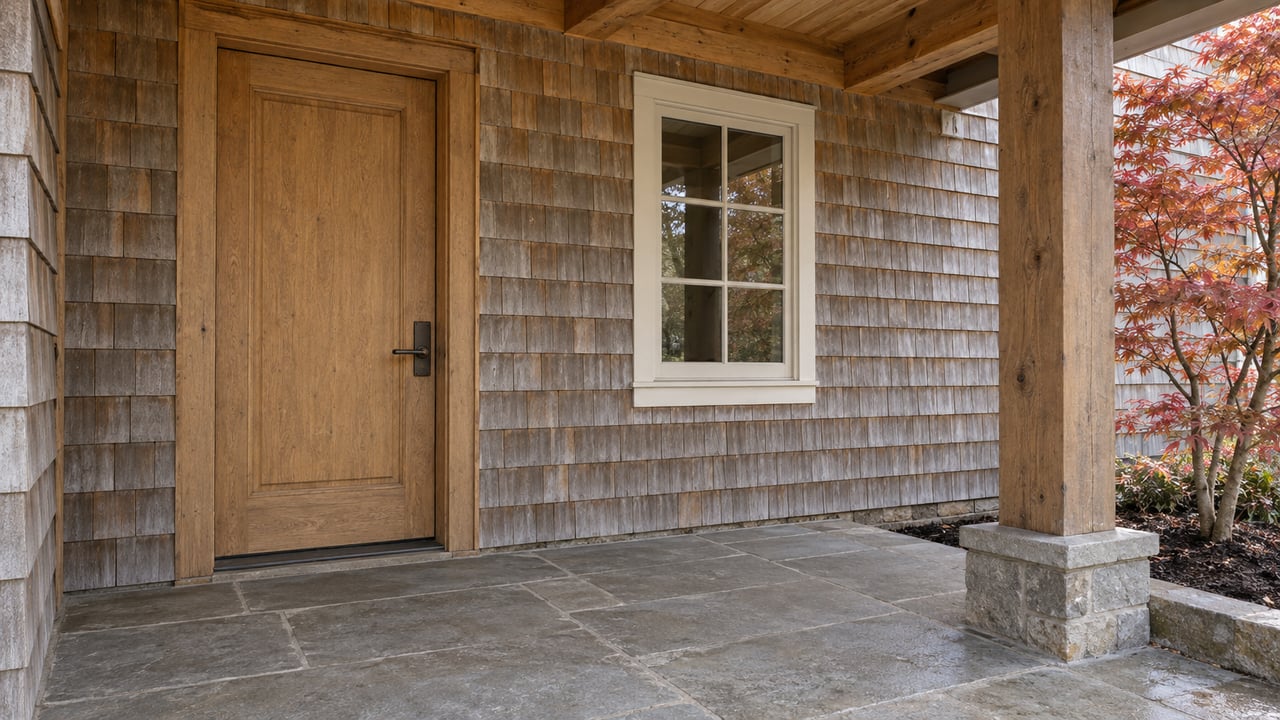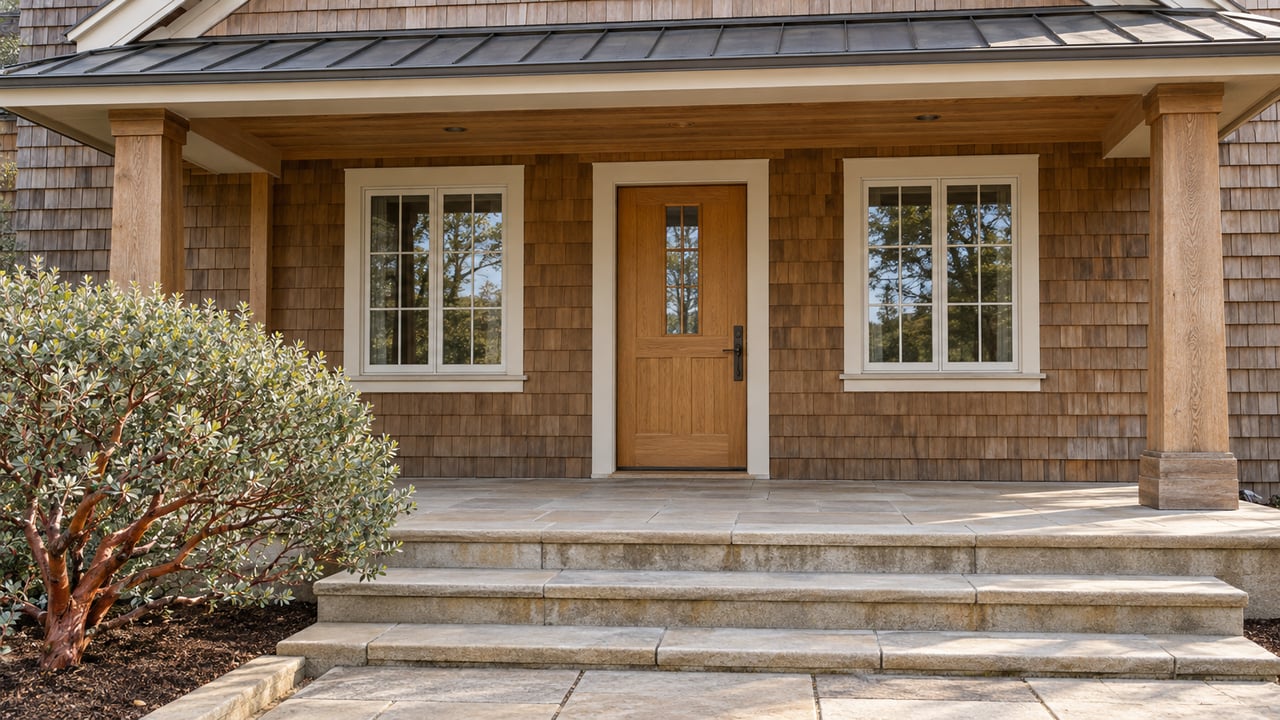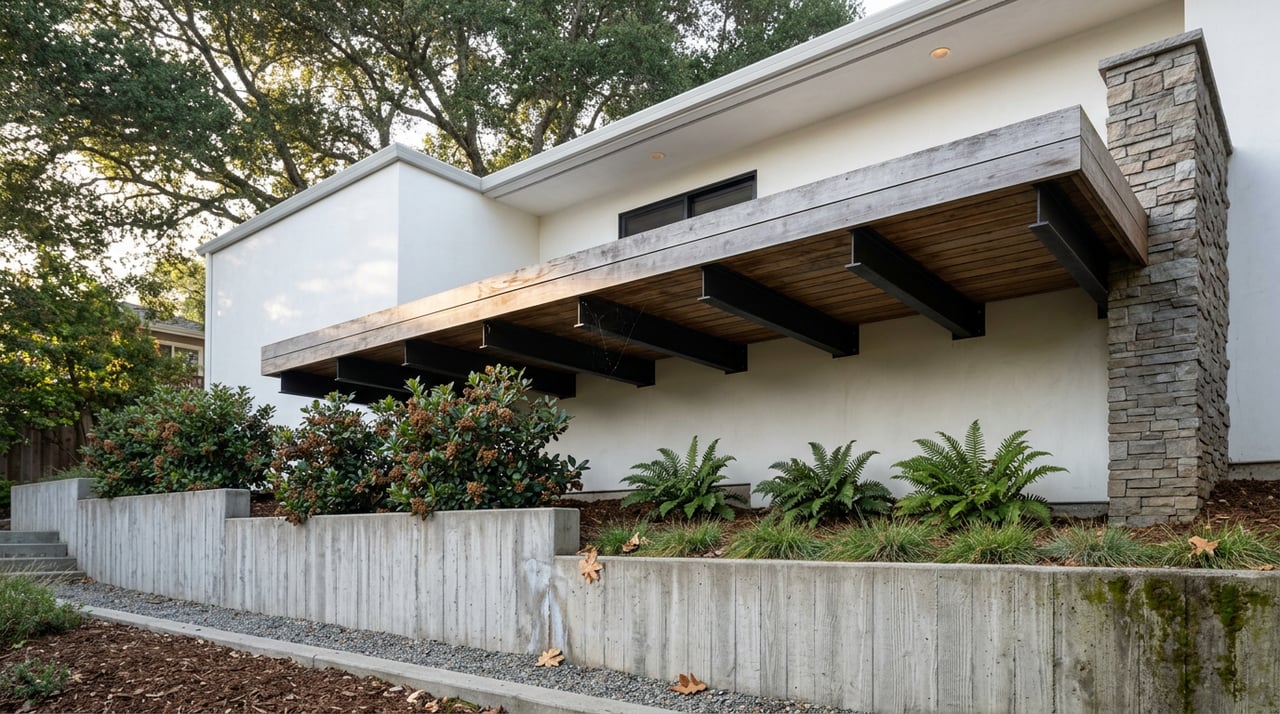
A hillside home above Bridgeway and a floating home docked at Waldo Point Harbor have almost nothing in common on paper. One sits on a hillside lot with a cantilevered deck and a view of the Golden Gate. The other sits on a concrete or wood hull that rises and falls with the tide. Yet sellers of both can face paperwork issues in escrow. For residential buildings, the City of Sausalito requires a Residential Building Record Report before sale or exchange; floating-home sellers should confirm whether that requirement applies to their property. Sellers may not think to check until the deal is already moving.
That timing mistake matters more in Sausalito than almost anywhere else in Southern Marin, because Sausalito homes are currently moving fast. Multiple sources put the average time on market at 18 days in 2026, whether you look at Redfin's data for the three months ending in May or a separate market snapshot for March. An 18-day window leaves almost no room to discover a paperwork problem mid-escrow and still hold the deal together.
The paperwork California doesn't require, but Sausalito does
California home sales involve required disclosures. Sausalito adds a document that most sellers moving from other Marin towns have never encountered: the Residential Building Record Report. City code requires the owner or their agent to obtain this report from the Building Division before any residential building in Sausalito can be sold or exchanged, and it shows the property's regularly authorized use, occupancy, and zoning classification. A WFG Title survey of California pre-sale disclosure fees put the cost at $490 in 2025.
The report does not include a physical walkthrough of the home. It is a records check, not an inspection. That distinction is exactly why it matters. The report only tells you what the city's own files say is permitted, which means any deck built without a permit, any converted garage, or any addition that was never closed out with final inspection shows up in black and white the moment someone pulls the file. If that someone is a buyer's underwriter three weeks into an 18-day-average market, the discovery lands at the worst possible time.
Why hillside and floating homes hit this wall harder
A downtown flat near Bridgeway rarely has much permit history to untangle. Hillside homes and floating homes almost always do, for different reasons.
Hillside properties in Sausalito tend to be older, custom, and built into terrain that invites decades of incremental work: a rebuilt deck here, a retaining wall there, a garage converted to living space sometime in the 1980s. A Marin-based mortgage broker who finances Sausalito hillside properties has written that older homes can carry financing challenges newer construction doesn't, including galvanized plumbing that some lenders require replaced before closing, knob-and-tube wiring that can affect insurance eligibility, and non-permitted additions that create appraisal and underwriting issues because any square footage counted toward value has to be backed by a permit. The same broker notes that hillside homes with older foundations may need an engineer's report before a lender will approve the loan at all, and that appraisers unfamiliar with Sausalito's small, unique market can undervalue a property when there simply aren't enough comparable sales of similarly custom hillside construction. Since a lender only lends against the appraised value, not the purchase price, a low appraisal on a hillside home can force a buyer to come up with cash or walk.
That broker also makes a point directly tied to the market's pace: local lenders who know the terrain can turn a full pre-approval in 24 to 48 hours, which the broker frames as fast enough to compete when homes are going pending in 18 days. The flip side is what happens without that speed. A buyer whose lender needs extra time to sort out a hillside appraisal or an engineer's report is a buyer racing a clock that most Sausalito sellers don't realize is running.
Floating homes carry a different version of the same problem. They are not financed like standard real property. On our own guide to Sausalito's hillside and waterfront markets, we note that many floating homes use chattel or portfolio loans rather than conventional mortgages, especially when the home is titled as a vessel or sits on leased tidelands, which means a buyer needs to prequalify with a lender who actually understands floating-home financing and review the marina or moorage agreement closely before removing contingencies. Waterfront and floating properties also carry their own flood insurance timeline: if FEMA maps the property in a Special Flood Hazard Area, most lenders require flood coverage, and the National Flood Insurance Program carries a 30-day waiting period before a policy takes effect. A buyer who discovers that requirement in week two of a fast escrow is a buyer who may not close on schedule.
The appreciation potential is real, which is part of why buyers move quickly once they find the right float. A widely reported 2024 story on Sausalito's houseboat community described one owner who bought a two-story floating home in February 2020 for $680,000 and had it listed for $1,050,000 by the time the story ran, a reminder of how much value these properties have gained even with their financing quirks intact.
Why every site quotes a different Sausalito median, and why it shouldn't guide your price
If you have already searched for Sausalito home values, you have probably noticed the numbers don't agree.
| Source | Time window | Reported figure |
|---|---|---|
| Redfin (3-month rolling median) | March to May 2026 | $1.9 million |
| Market snapshot | March 2026 | $1.7 million |
| Zillow Home Value Index (typical value) | May 2026 | $1.48 million |
Separately, floating home prices quoted across brokers and community guides span an even wider range, with figures anywhere from the mid $500,000s to $2.8 million or more depending on dock, size, and age, and floating homes are frequently tracked outside these citywide medians entirely because they aren't classified the same way as land-based residential property.
The disagreement isn't a data error. Sausalito's residential market is genuinely three markets stapled into one zip code: downtown flats and condos, hillside single-family homes, and a floating-home submarket with its own financing rules and its own comparable sales pool. A citywide median blends all three, which makes it close to useless for pricing any one of them. What every source does agree on, despite disagreeing on price, is the pace: 18 days shows up as the average time on market across more than one source for 2026. That consistency is the number worth paying attention to, because it defines how much runway you actually have to fix a paperwork problem before it costs you the deal.
The pre-listing sequence that protects your closing date
The fix here isn't complicated, but it has to happen before your home is live, not after you accept an offer.
- Confirm whether you need the Residential Building Record Report, and order it early if you do. For floating homes, check with Sausalito's Building Division which documents apply to your property. Since the report is a records check rather than an inspection, ordering it before you list gives you weeks, not days, to research anything it flags.
- Pull your permit history. Cross-reference what the city has on file against the work that's actually been done on the property, especially decks, additions, and any garage or basement conversions on hillside lots.
- Get ahead of structural questions on hillside homes. If retaining walls, foundations, or drainage work have any history, a pre-listing engineer's report can answer the question before a lender's underwriter asks it under a deadline.
- Review the marina or moorage agreement if you're selling a floating home. Buyers and their lenders will ask for it. Having it organized and current before you list removes a step from an already specialized financing process.
- Address what you find, don't just disclose it. A flagged issue you've already resolved is a non-event. The same issue discovered for the first time by a buyer's underwriter three weeks into a hot market is a renegotiation, or worse, a lost buyer.
This is precisely the sequence our Concierge program is built around: identifying what a hillside or floating home needs before it's marketed, financing the work upfront, and managing the vendors so the property is clean on paper by the time the first showing happens.
Frequently asked questions
What is the Sausalito Residential Building Record Report? It's a city-issued report that documents a property's authorized use, occupancy, and zoning classification on file with the Building Division. For residential buildings, it is required by ordinance before sale or exchange; floating-home sellers should confirm whether it applies to their property.
Does the report include a physical inspection of the home? No. It reflects what the city's records show, which is why it can surface unpermitted work even though no inspector ever walks the property as part of the report itself.
Do floating homes need the same city paperwork as land-based homes? Floating homes sit outside typical residential building classification in most jurisdictions, so the requirements can differ by dock and structure. Sellers of floating homes should confirm directly with Sausalito's Building Division which documents apply to their specific property before listing.
How long does it take to get the report back? The city doesn't publish a guaranteed turnaround, which is exactly why ordering it early, well before you're negotiating with a buyer on an 18-day clock, is the safer approach.
If you're weighing when to list a hillside or floating home in Sausalito, the paperwork sequence matters as much as the price. Sharon Kramlich has spent years managing exactly this kind of pre-listing groundwork for Southern Marin sellers. Request a complimentary home evaluation and we'll walk through what your specific property needs before it goes on the market, not after.
This article is general information, not legal, tax or financial advice. Consult a qualified professional about your situation.