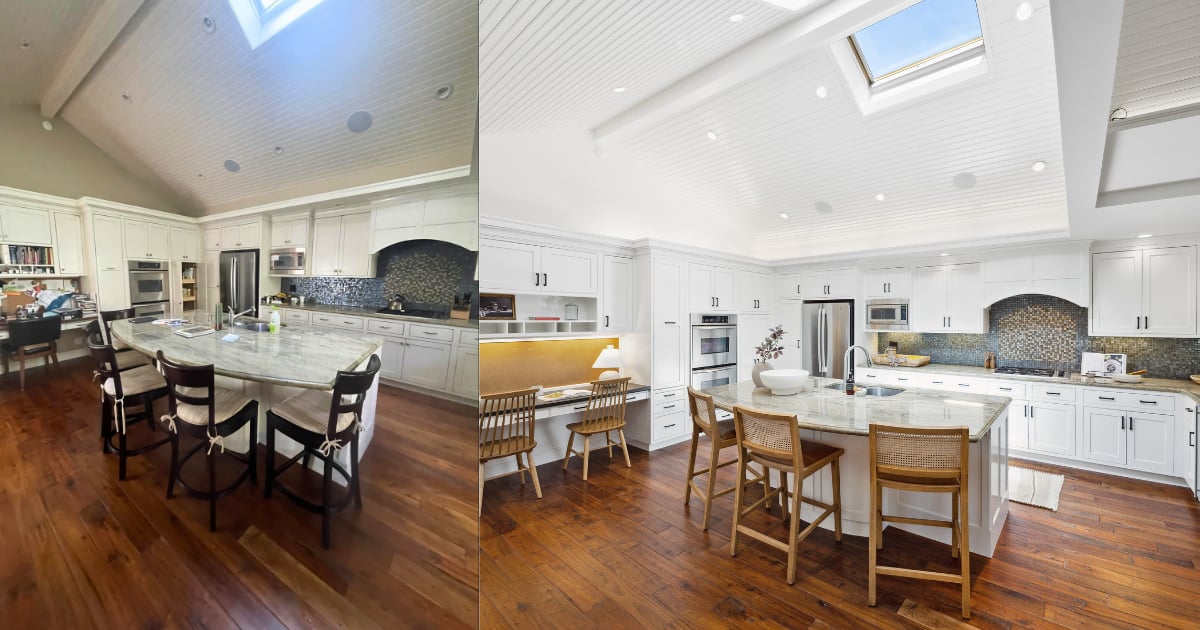
Most sellers think the work of selling a home starts the day it goes live. It doesn't. By the time a listing appears on the MLS, the outcome has largely been decided. The price the market will pay was set weeks or months earlier, in a series of decisions almost no one sees.
I have been selling homes in Mill Valley and Southern Marin for more than 30 years, and the pattern is consistent. The homes that sell quickly and above asking are almost never the ones that happened to catch a good week. They are the ones where the preparation was done deliberately, in the right order, with a clear view of who the buyer was going to be.
Here is what that actually looks like.
It Starts With Reading the House Against Current Buyer Demand
It starts with reading the house against current buyer demand. Before I recommend spending a dollar, I walk the property carefully and ask a very specific question: what is the gap between the condition and presentation of this home today and what buyers in this price range are expecting?
That is a very different question from "what needs updating." Every home has a list of things that could be improved. Very few of those improvements actually increase what buyers are willing to pay.
What matters is identifying the improvements that will close the gap between the home's current presentation and today's buyer expectations. That gap changes depending on the price point, the neighborhood, the competition, and current market conditions.
A four bedroom in Sycamore Park competing with turnkey listings on flat lots is a different animal than a character home in the canyon whose buyer is looking for original detail and expansiveness. The improvement plan has to follow the buyer, not a generic checklist.
Then I Orchestrate Improvements Around Return, Not Around Perfection
Then I orchestrate improvements around return, not around perfection. Sellers get pushed toward two extremes. One is "fix everything," which spends money on work buyers will never notice or pay for. The other is "do nothing and let them discount it," which hands negotiating leverage straight to the buyer. Neither is a smart strategy.
The right answer almost always lives in the middle, and finding it requires understanding the market and being honest about what actually moves a buyer.
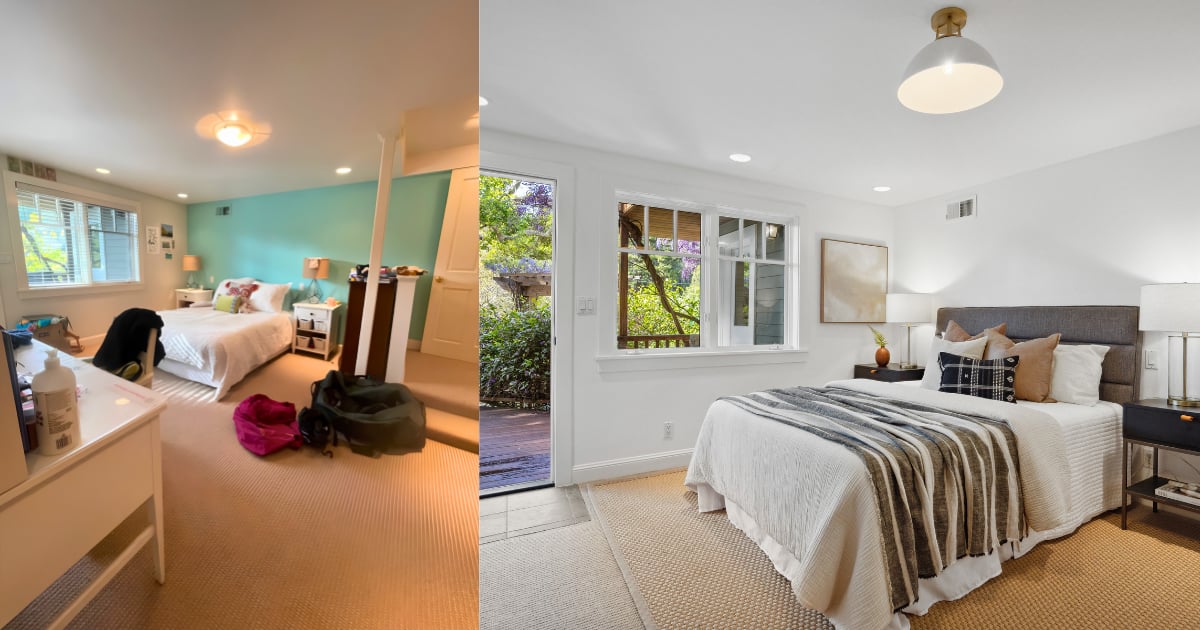
At 116 La Goma, on a tightly limited budget, the biggest issue was four different flooring surfaces across two floors, which created a disjointed feeling buyers noticed immediately even when they couldn't say exactly why. Rather than replacing everything, we installed seagrass carpeting over the red tile on the lower level. It complemented the hardwood above, created a warm transition from the staircase, and turned a problem into a design feature at a fraction of the cost of installing hardwood floors. That home received multiple offers in eight days and closed at $3,525,000, over the asking price.
At 431 Wellesley, the roof was replaced before we began strategic remodeling. A new roof is not exciting. No buyer walks in and falls in love with one. But an aging roof is exactly the kind of item that adds up in a meaningful way to a buyer, and even with a turnkey home, it will become leverage in a negotiation. Getting ahead of it meant no buyer ever had to price that expense into their offer. The result was that the home received multiple offers and sold for $4,000,000, 8.3% over asking, in seven days.
The principle behind both: spend money where it changes what a buyer values or what a buyer can argue about. Skip the rest.
Address the Hidden Issues First
The hidden issues get addressed first. This is the part sellers most want to skip, and I understand why, since it doesn't show up in cosmetics or in marketing photos, yet it is the part I am most insistent about.
Before we think about paint colors or light fixtures, I want to identify and address anything that could raise concerns in our disclosure package or during a buyer's due diligence. That may include dry rot, drainage problems, waterproofing, deck or railing repairs, termite issues, fenceline questions, boundary disputes, or other deferred maintenance. None of these items make for exciting photographs, but they are exactly the kinds of issues that can weaken an offer, trigger renegotiations, or cause a buyer to walk away altogether.
At 334 West Blithedale, we discovered an encroachment from a neighboring property that had to be resolved before the home could go on the market. We brought in a surveyor to establish the correct property lines and relocated the existing fence to match the verified boundary. It required considerable coordination and time, and buyers would never notice the work by looking at the listing. But by resolving the issue before going to market, we eliminated one of the biggest risks to both the sale price and a successful closing.
Beautiful presentation may capture a buyer's attention. Careful preparation is what removes the obstacles that can derail a sale after that attention is won.
The Home Gets Fully Staged
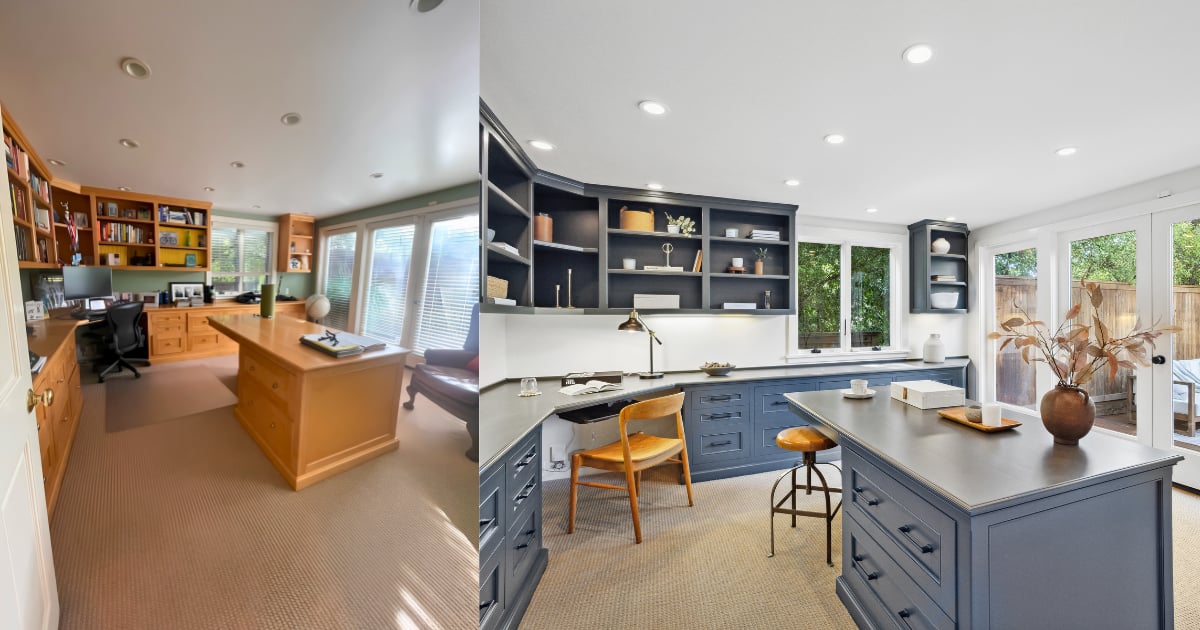
The home gets fully staged. That means every room, not a partial pass and not a few borrowed pieces brought in at the last minute.
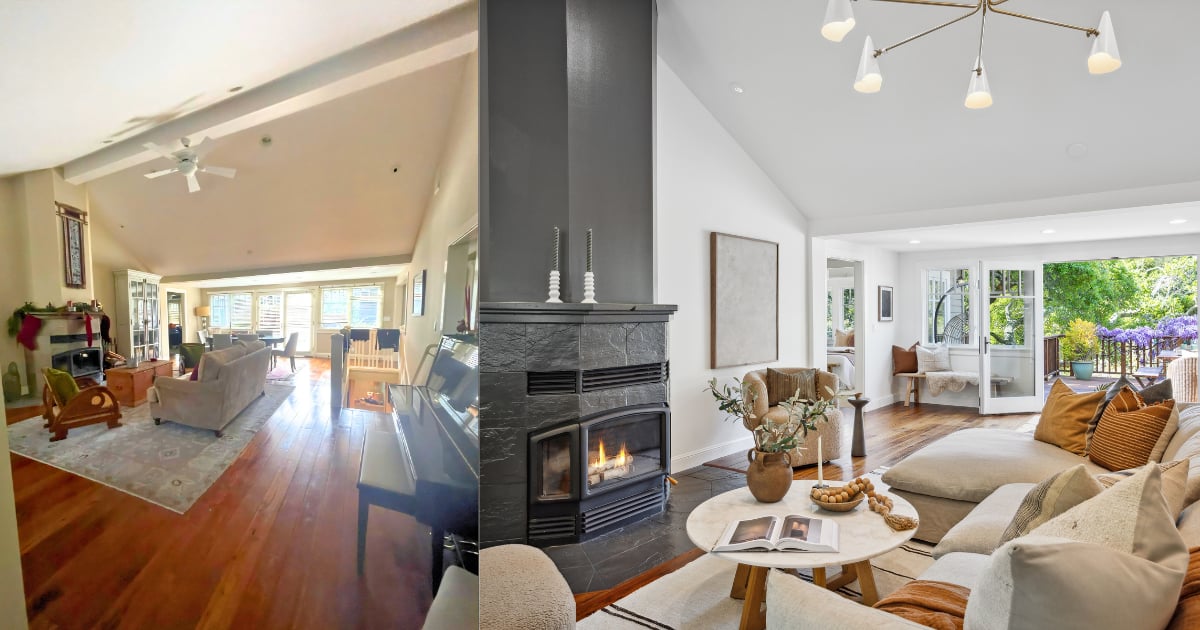
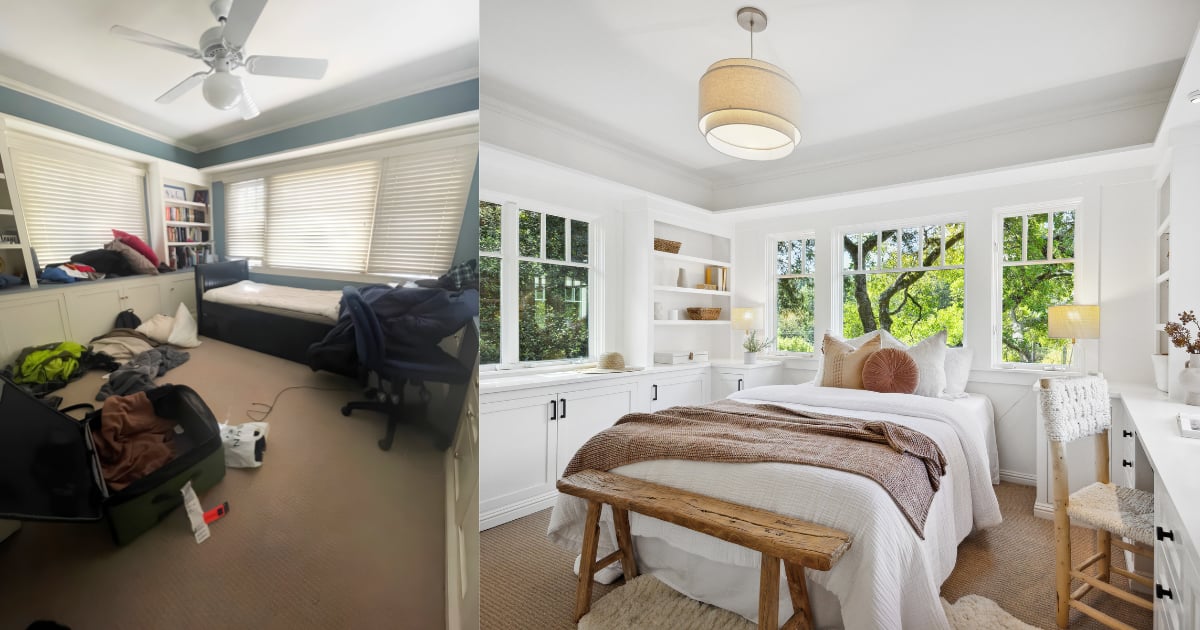
Buyers in this market are not evaluating square footage. They are trying to picture a life. Staging is what closes the distance between an empty room and a room someone can imagine their family in on a Sunday morning, and it does something a seller's own furniture usually cannot: it shows the home at its intended scale and flow, without the accumulated personal history that makes it read as someone else's house.
It is one of the highest return line items in the entire preparation budget, and I have never heard a seller regret spending on it.
Then Inspections, and a Disclosure Package That Answers Questions Before They're Asked
Then come inspections, and a disclosure package that answers questions before they're asked. Once the work is complete, I bring in inspectors so they can issue thorough, current inspections on the home, so that I can produce a disclosure package buyers can actually trust.
Sellers often assume the inspection is a formality that buyers perform. It is not. Sequencing matters. I make sure my sellers have their home inspected prior to marketing, so that I can generate a complete, clean, pre-prepared disclosure package, showing a buyer complete transparency into the home's condition. That confidence shows up directly in how aggressively they are willing to bid, and in how smoothly escrow runs once they do.
At 334 West Blithedale, with a documented boundary history, having the problem solved and clearly articulated in disclosures fully prepared before launch was not a nicety. It was the reason buyers felt safe competing.
Finally, High End Photography and Videography
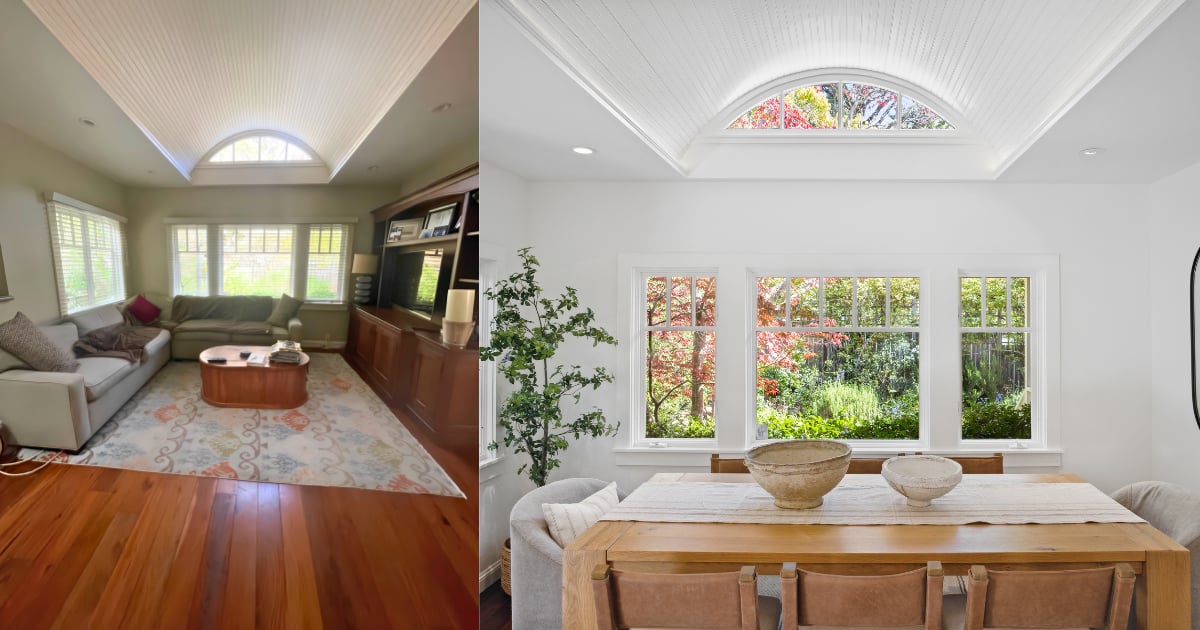
Finally, high end photography and videography capture all of it, but only if the work that came before it is actually finished. Preparation only matters if it is seen properly.
Once a home is finished and staged, I bring in a high end photographer and videographer for still photography, aerial footage, and video. For hillside and canyon properties in particular, aerial work is not a luxury add-on. It is the best way to show the relationship between the house and the land, indoor and outdoor flow, the trees, and the mountain, which is often the main reason someone is buying in that location in the first place.
Most buyers form their first impression of a home on a phone screen, often within just a few seconds. Exceptional photography isn't simply there to document a property. It creates emotion, shows flow, and persuades buyers to visit in person, capturing how someone would actually live there rather than just how the rooms are laid out. The photography isn't a record of the home. It is one of the most powerful marketing tools determining whether a buyer falls in love before they ever step through the front door.
Why the Order Matters as Much as the List
The order matters as much as the list, because every step builds on the one before it. Skip a step, rush the sequence, or do things in the wrong order, and you can easily undo the value of the work you've already invested in.
Making improvements before understanding what today's buyers actually value often leads to unnecessary spending. Completing cosmetic updates before addressing structural or maintenance issues can mean redoing finished work. Staging a home before all improvements are complete wastes both time and money. Ordering inspections too early can result in a disclosure package that's already outdated, or the added expense of additional inspections later. And photographing a home before it has been fully prepared means your marketing showcases a property that hasn't yet reached its full potential.
When every step is completed in the right order, and over a realistic timeline, the results are dramatically different. Buyers see the home at its absolute best. Competition increases. Multiple offers become more likely. The final sale price is driven by buyer demand rather than by a single buyer's opinion, and escrow is far less likely to be derailed by unexpected issues or renegotiations.
When the process is rushed or done out of sequence, the opposite often happens. The home takes longer to sell, price reductions become more likely, negotiating power shifts to the buyer, and the property often sells for less than it could have.
Considering a Sale in Mill Valley?
Considering a sale in Mill Valley usually starts with the wrong question, which is what happens once the home is listed. The most valuable conversation we can have is the early one, well before you are ready to list. That is where the real strategy happens, and where the difference in your final number is actually created.
Let's talk about what your home could realistically bring in, and what it would take to get there.
Frequently Asked Questions
How far in advance should I start preparing my Mill Valley home for sale? It depends on scope. For homes needing meaningful work, three to four months is realistic for repairs, updates, staging, and photography without rushing any step. Properties with structural or boundary issues can take longer. Some of my strongest sales have involved nine months or more of preparation. Starting the conversation early costs nothing and preserves every option.
Which improvements actually increase what buyers will pay? Start with anything that could appear on an inspection report or give a buyer negotiating leverage. From there, prioritize what buyers register in the first thirty seconds: street appeal, paint, flooring, lighting, landscaping, and staging. Those consistently deliver the strongest return relative to cost. Full kitchen and bath gut renovations rarely return what they cost in this market. Partial improvements often do.
Is staging worth the cost? In Mill Valley, yes, consistently. Staging is one of the highest return items in a preparation budget because buyers here are picturing the life they want to live in the home, not evaluating a floor plan, and staging is what makes that picture believable.
Why do inspections before listing instead of during escrow? Because a clean, complete disclosure package prepared in advance builds buyer confidence and removes the surprises that stall or kill deals late in escrow. It is especially important on any property with a history of structural, drainage, or boundary issues. You want a buyer to write their offer having fully reviewed the condition of the property, so they can make a clean, potentially contingency-free offer.
Do I need to do all of this to sell my home? No. Homes sell in every condition. The question is what money you are leaving on the table. This process exists to close the gap between what a home would sell for as-is and what it could sell for prepared, and to protect the sale from falling apart once it's in contract.